
Categories
Uncategorized

A Group Golf Getaway Guide That Keeps Everyone Happy

The best golf trips are remembered for more than a scorecard. They are the weekends when a longtime friend finally birdies a tough hole, coworkers relax outside the office, and everyone gathers over a good meal after the final putt drops. This group golf getaway guide will help you plan that kind of trip – organized enough to run smoothly, but relaxed enough for every guest to enjoy.

A successful getaway does not require every player to have the same handicap, budget, or idea of a perfect round. It requires a clear plan that respects those differences before anyone arrives at the first tee.

Start Your Group Golf Getaway Guide With the Right Guest List

Before choosing a course or reserving rooms, get honest about who is going. A group of eight close friends who play together every month can handle a more casual plan than a company outing with 40 employees, clients, and guests. The size and purpose of the trip should guide every decision that follows.

Ask early whether the getaway is primarily competitive, social, or a mix of both. Some groups want 36 holes and a lively post-round dinner. Others want one enjoyable round, time by the pool, and room for non-golfing spouses or friends to join the fun. Neither approach is better, but trying to force one schedule on two different kinds of guests can create frustration.

It also helps to name one primary organizer and one backup contact. Too many people making decisions can slow down bookings and confuse the group. The organizer does not need to handle every detail alone, but guests should know where to send their payment, dietary needs, arrival information, and questions.

Choose a Destination That Works Beyond the Course

A memorable golf destination needs more than a beautiful layout. Consider travel time, lodging options, restaurants, parking, weather, and the activities available when clubs are back in the car. For a Stockton-area group, staying close to home can make the trip more affordable and easier for guests who cannot take a full weekend away.

Course difficulty matters just as much as course condition. A championship-level course may excite low-handicap players, but it can turn a friendly outing into a long, discouraging day for beginners. Look for multiple tee options, a playable pace, practice facilities, and a staff experienced in hosting groups. Ask whether the course can arrange pairings, cart assignments, scoring, and on-course contests.

Think through the off-course setting, too. A group that spends the day golfing still needs a comfortable place to meet, eat, and talk afterward. A hosted meal in a private or semi-private space saves everyone from trying to find a restaurant that can seat a large party at the same time. For local organizers, Elkhorn Banquet Facility can pair golf-event coordination with restaurant-quality food and flexible gathering space, making it easier to keep the day in one welcoming location.

Set a Budget Before You Announce the Trip

A vague price estimate is one of the quickest ways to lose guests. Build a realistic per-person number before sending invitations, including green fees, carts, lodging, meals, transportation, prizes, taxes, and gratuities. If the group is traveling, add a small cushion for the costs that tend to appear late in the process.

Not every guest will want the same package. A fair approach is to create a core cost that covers the planned golf and main group events, then make upgrades optional. One person may want a single round and dinner, while another may want extra practice time, premium lodging, or a second round. Giving people choices can improve attendance without making the organizer absorb the difference.

Collect deposits early and set a firm payment deadline. This may feel formal for a friends’ trip, but it protects the group from last-minute cancellations after tee times and rooms have been guaranteed. Be clear about what is refundable, what is transferable, and what happens if weather changes the schedule.

Build a Schedule With Breathing Room

The most common planning mistake is trying to fill every hour. Golf already has its own unpredictable rhythm: a round can run long, guests may arrive late, and a hot afternoon can make a packed itinerary feel like work.

For a one-day outing, allow time for check-in, range balls, a brief welcome, and a relaxed meal after play. For a weekend getaway, one round on the arrival day and one main event round the next morning is often plenty. Leave an open afternoon or evening so guests can rest, explore, watch a game, or simply catch up.

Pay attention to tee-time spacing. Consecutive tee times keep the group moving, but they do not guarantee that all players will finish together. If a post-round meal or awards presentation is planned, schedule it with a generous buffer. A venue team can help coordinate service around the likely finish time rather than serving food while half the players are still on the course.

Make the Competition Fun for Every Skill Level

A getaway should give experienced players something to chase without making newer golfers feel like they are holding the group back. Traditional stroke play can work for a small, evenly matched group, but it is rarely the best choice for mixed abilities.

Scrambles, shambles, best ball, and two-person team formats usually keep more people involved. Handicaps can make individual contests fairer, although they require accurate information collected ahead of time. If your group includes golfers who do not keep handicaps, keep the scoring simple and emphasize team participation over precision.

Add a few optional side contests to create energy without slowing down play. Closest-to-the-pin, longest drive, and putting challenges work well when the course approves the setup. Keep prizes modest and fun. Gift cards, golf accessories, a donated local item, or a playful traveling trophy can be more memorable than a large cash pool.

Plan Food and Drinks as Part of the Experience

Food is not an afterthought on a golf getaway. It sets the pace of the day and gives people a reason to linger after the round. Start with the practical question: will guests need breakfast before an early tee time, snacks or beverages during play, and a full meal afterward?

A quick breakfast or coffee station may be enough for a morning event. For a longer outing, consider boxed lunches or a planned turn stop so golfers are not searching for food halfway through the round. After play, a buffet, plated meal, or casual grill menu can fit the group depending on formality and timing.

Drink service deserves the same thoughtful planning. A hosted bar can feel generous, but a defined beer-and-wine package or drink-ticket system often keeps the budget predictable. Encourage guests to plan safe rides if alcohol is part of the day, especially when the event includes travel between the course, hotel, and dinner location.

Confirm the Details That Guests Usually Forget

A week before departure, send one clear itinerary instead of a stream of separate messages. Include arrival time, course address, dress expectations, tee-time order, pairings if available, meal details, payment reminders, and the organizer’s phone number. For overnight trips, include hotel check-in information and transportation plans.

It is also wise to confirm the venue and course details directly. Verify the final player count, dietary requests, rain policy, rental clubs, cart availability, tournament format, signage, prizes, and any audio or presentation needs for the meal or awards portion. If the group is using a banquet room, confirm when decorations, sponsor materials, or raffle items can be delivered.

A thoughtful organizer plans for comfort as well as logistics. Remind guests to bring sunscreen, a hat, a light layer for changing weather, and enough water. For a corporate or charity group, consider whether you need a short welcome, sponsor recognition, or a designated person to take photos. These small touches turn a standard golf day into an occasion.

Let the Day Feel Hosted, Not Managed

Once the getaway begins, your job is to welcome people, not chase every moving part. Arrive early, greet guests, and make sure they know where to go. Then let the course and event staff handle the operational details they are equipped to manage.

The most successful group golf getaways leave room for the unexpected: the extra conversation on the patio, the sudden challenge at a long par three, and the teammate who surprises everyone with a great shot. Give your guests a clear plan, good food, a comfortable place to gather, and enough time to enjoy one another. That is what brings a group back for another round.


Categories
Uncategorized

Memorial Reception Etiquette for Thoughtful Hosts

A memorial reception often becomes the place where people finally exhale. After a service filled with emotion and formality, family and friends need room to share a meal, tell a story, sit quietly, or simply be near one another. Good memorial reception etiquette is not about creating a perfect event. It is about making thoughtful choices that honor the person who died while caring for the people who loved them.

For many Stockton families, the practical details must be handled while grief is still very fresh. A clear plan, a comfortable space, and a dependable team can take pressure off the immediate family and make the gathering feel welcoming rather than overwhelming.

Start With the Purpose of the Gathering

Before choosing a menu or setting a schedule, decide what the reception is meant to feel like. Some families want a quiet meal immediately following a funeral or graveside service. Others prefer an informal celebration of life with music, photographs, and an open microphone. Neither approach is more respectful than the other. The right choice reflects the person being remembered and the needs of those closest to them.

If the gathering follows a formal religious service, a calm reception with light conversation may feel most natural. If the loved one was known for hosting, laughing, cooking, golfing, or bringing people together, a more relaxed room can be a meaningful tribute. Let the tone guide the details, but do not feel obligated to turn every preference into a program. A few personal touches usually carry more meaning than a packed agenda.

Memorial Reception Etiquette for Invitations and Timing

Guests should receive the essential information clearly: the date, time, location, and whether the reception follows the service. A simple phrase such as “Please join the family for a reception following the service” is sufficient. If the gathering is private or limited by capacity, say so with kindness. It is better to be clear than to leave people unsure whether they are welcome.

Timing matters, especially when guests may be traveling, attending a cemetery service, or helping with family responsibilities. Plan a start time that allows for travel between locations, and avoid making guests feel rushed to arrive at an exact minute. For a reception after a service, it is helpful to tell the venue an approximate arrival window rather than a single fixed time.

A two- to three-hour reception works well for many families. It gives people time to connect without requiring the immediate family to remain in public all day. A longer open-house format can be appropriate when many community members are expected, but it helps to have a few relatives or friends rotate through greeting duties so no one person carries the full emotional weight.

Choose Comfort Over Formality

The best reception spaces feel easy to enter and easy to stay in. Guests may include older relatives, young children, coworkers, neighbors, and friends who have not seen one another in years. Consider comfortable seating, accessible entrances and restrooms, nearby parking, and enough room for people to move without crowding the family.

A receiving line is optional. It can be a meaningful way for family members to acknowledge condolences, but it can also become exhausting. If you expect a large crowd, allow guests to offer condolences naturally as they arrive or place a guest book near the entrance. A memory card station can be a gentle alternative for those who are not sure what to say in person.

Reserve a small, quiet table or seating area for close family members. Grief does not follow a schedule, and someone may need a moment away from conversation. This is not unfriendly. It is humane.

Food and Drinks Should Support the Moment

Memorial reception food does not need to be elaborate to be generous. In fact, familiar, well-prepared food is often the kindest choice. Guests may have skipped breakfast, traveled a distance, or spent hours at a service. A satisfying lunch, buffet, or collection of hearty appetizers can provide genuine comfort.

The time of day should shape the menu. Morning gatherings may call for coffee, tea, pastries, fruit, and breakfast items. A midday reception usually benefits from a fuller meal, while an afternoon gathering may be well served by sandwiches, salads, appetizers, and desserts. Ask about dietary needs when possible, and include a few options that vegetarian guests and those with common food restrictions can enjoy.

Alcohol is a personal family decision. A hosted beer and wine service may suit a celebration of life, while other families may prefer nonalcoholic beverages only. There is no universal rule. Consider the loved one’s values, the family’s comfort level, and the gathering’s tone. If alcohol is served, professional service and a range of nonalcoholic options help keep the atmosphere considerate.

At Elkhorn Banquet Facility, families can work with an experienced events team to choose a room size and menu that fit the occasion, whether the gathering is a quiet meal for close relatives or a larger community remembrance.

Create a Tribute Without Turning It Into a Production

A memorial table can give guests a natural place to pause and remember. One framed photo, a few favorite pictures, flowers, a guest book, and a meaningful personal item are often enough. For a larger display, invite family members to select items together so it feels intentional rather than hurried.

Music should sit in the background unless it is part of a planned tribute. A favorite playlist, instrumental music, or songs connected to the person’s life can add warmth. Keep volume low enough that guests can have conversations. The same principle applies to slideshows. A short, looping presentation is easier for guests to take in than a long program that demands everyone’s attention.

Speeches are also optional. If someone plans to speak, keep remarks brief and let the host know in advance. A few heartfelt words can bring a room together; a long series of unplanned speeches can be difficult for grieving family members to manage. It is perfectly acceptable to say, “We would love to hear your memories during the reception,” rather than setting aside formal microphone time.

What Hosts Can Ask Others to Handle

Families should not have to manage every detail themselves. Assign a trusted friend, adult child, cousin, or family coordinator to serve as the point person for the venue and vendors. That person can answer practical questions, direct deliveries, help with tribute items, and quietly address issues that arise.

It also helps to designate someone to collect cards, gifts, flowers, and personal belongings at the end of the event. Another person can take photos of the tribute table and guest book before items are packed away. These small assignments prevent meaningful items from being overlooked during an emotional departure.

If guests ask, “What can I do?” give them a specific answer. They can greet arrivals, bring printed photographs, help an older relative find a seat, or take home leftover flowers. People often want to help but do not know where to begin.

Etiquette for Guests at a Memorial Reception

Guests do not need polished words. A simple “I’m so sorry for your loss” or “I’m glad I could be here” is enough. If you have a specific memory, share it briefly and sincerely. Families often treasure hearing small details: a kindness their loved one showed, a funny habit, or a moment that revealed their character.

Avoid asking the family for details they may not be ready to discuss, particularly about the circumstances of the death. Keep the focus on support. If you are unsure how long to stay, use the room as your guide. Offer condolences, spend a little time with others, eat if food is provided, and leave when it feels appropriate. Signing the guest book is a thoughtful gesture, especially if the family is busy greeting many people.

Dress should follow the family’s wishes and the nature of the event. Dark, formal clothing may be appropriate for a traditional funeral reception, while a celebration of life may invite brighter colors, team apparel, or casual attire. When no guidance is given, clean, respectful clothing is always a safe choice.

Let the Gathering Be What It Needs to Be

A memorial reception can hold laughter, tears, silence, and stories in the same hour. There is no need to correct that mix or force a particular mood. Some guests will linger over photographs; others will want to talk about everyday life. Both responses can be part of remembering someone well.

The kindest plan gives people food, a place to sit, and permission to show up as they are. When the room is comfortable and the details are cared for, the family has more space for what matters most: being together with the people who came to remember.

Categories
Uncategorized

Nonprofit Gala Planning Guide for Better Events

A gala can fill a room, serve a beautiful meal, and still fall short of its fundraising goal. The difference usually comes down to planning decisions made months earlier: a clear purpose, a realistic budget, a program that respects guests’ time, and a venue team that understands the details behind a successful evening. This nonprofit gala planning guide is designed to help local organizations create an event that feels meaningful, polished, and manageable from the first committee meeting to the final thank-you.

Begin With One Clear Fundraising Goal

Before choosing centerpieces, entertainment, or invitation colors, decide what success means. Your gala may be raising money for a specific program, building general operating support, honoring community leaders, or bringing new donors into your organization. Each goal calls for a slightly different approach.

Set a financial target based on net revenue, not ticket sales alone. If your organization hopes to raise $25,000 after expenses, calculate the full cost of the venue, food and beverage, entertainment, décor, printing, auction services, and payment processing before setting ticket prices or sponsorship levels. A packed room is encouraging, but a gala should also support the mission financially.

It also helps to set two or three non-financial goals. You might aim to gain 20 new donors, reconnect with past supporters, or increase volunteer sign-ups. These goals shape your guest list, messaging, and follow-up plan.

Build a Budget That Protects the Mission

A gala budget needs room for the expected expenses and the small surprises that appear close to event day. Start with the essentials: venue rental, catering, bar service, audiovisual needs, entertainment, décor, invitations, auction materials, photography, and staff or security if needed. Add a contingency of 5 to 10 percent so a last-minute change does not force your team to pull funds from the mission.

Food and beverage are often among the largest expenses, but they are also central to the guest experience. Ask venues for clear package information and understand what is included. Are tables, chairs, linens, setup, staffing, tax, and service charges part of the estimate? Is there a minimum guest count or food and beverage commitment? Clear answers early make it easier to compare options fairly.

Sponsors can offset costs before the first ticket is sold. Offer levels that connect to real value, such as recognition in the program, a reserved table, stage acknowledgment, or a meaningful underwriting opportunity. A local business may be more interested in sponsoring dinner, entertainment, or a mission moment than simply having its logo placed on a sign.

Choose a Venue That Supports Your Plan

The right gala venue should fit the guest count comfortably without making the evening feel either crowded or empty. Consider the full flow of the event: registration, cocktail hour, dining, presentations, auction activity, and post-program conversation. A room that works for dinner may not automatically provide a smooth place for check-in or silent auction displays.

Ask practical questions during your tour. Can the room accommodate a stage and screen? Is there a dance floor if you plan to include entertainment? Can guests with mobility needs move easily through the space? How will parking, loading, décor setup, and vendor arrival work? These details may not be glamorous, but they are what make an event feel organized to guests.

For Stockton-area nonprofits, a full-service facility can reduce the number of moving pieces. Elkhorn Banquet Facility, for example, offers flexible event halls for groups from 15 to 325 guests, along with food and beverage service and on-site planning support. That kind of coordination can be especially valuable for volunteer-led committees balancing gala planning with their regular work and community commitments.

Create a Committee With Clear Ownership

A dedicated gala chair can keep the big picture moving, but one person should not be expected to manage every detail. Divide responsibilities among committee members according to their strengths. One person may lead sponsorship outreach, while another handles auction donations, marketing, guest communications, volunteer schedules, or event-night logistics.

Keep meetings focused on decisions and deadlines. After each meeting, send a short recap that names the task, owner, and due date. This simple habit prevents good ideas from disappearing into conversation.

Your board members can be especially helpful when their roles are specific. Rather than asking everyone to “help sell tickets,” ask them to introduce three potential sponsors, fill one table, secure an auction item, or personally welcome first-time guests. Specific requests are easier to act on and easier to track.

Design a Guest Experience Worth Attending

Guests support a cause because they care, but they return when the experience feels warm, well-run, and worthwhile. Make every stage of the evening easy to understand. Registration should be quick. Signage should be clear. Volunteers should know where to direct guests and who can answer questions.

A thoughtful program is not necessarily a long program. Plan for a welcome, dinner service, mission-focused storytelling, fundraising appeal, recognitions, and any auction or entertainment elements. Then protect the timeline. A program that runs late can make donors restless, particularly on a weeknight.

The strongest mission moments are personal and specific. Instead of sharing only broad statistics, invite a speaker to explain how the organization changed a real life or strengthened the community. Obtain appropriate permission, protect privacy, and keep the story connected to the need your fundraising goal will address.

If you include a live auction, paddle raise, or fund-a-need moment, make giving simple. Display the goal clearly and have trained spotters or volunteers ready to record commitments. For silent auctions, mobile bidding can be convenient, but paper bidding may work better for some audiences. The right choice depends on your guest demographics, available technology, and volunteer capacity.

Sell Tables, Not Just Tickets

Individual ticket sales matter, but tables can create momentum faster. Encourage board members, longtime donors, local businesses, and community partners to host a table and invite their own guests. A hosted table gives attendees a familiar connection in the room and introduces your nonprofit to people who may not have attended on their own.

Your invitation should answer the practical questions quickly: who the gala supports, date and time, location, attire, ticket price, what is included, and how to reserve a seat or table. Lead with the purpose, not just the party. People are more likely to say yes when they understand what their presence will make possible.

Promote the event through the channels your supporters actually use. Email may drive ticket sales for one organization, while personal calls, community partnerships, printed flyers, or social media may be more effective for another. Avoid spreading a small team too thin across every platform. Consistent communication is better than constant communication.

Rehearse the Moments That Matter

A final walk-through with venue staff, the emcee, audiovisual team, and key volunteers can prevent avoidable stress. Review the room layout, registration process, meal timing, presentation cues, auction procedures, emergency contacts, and closing responsibilities. Confirm who has authority to make event-night decisions if a vendor is delayed or the schedule needs to change.

Prepare your emcee with a concise run of show and pronunciation notes for sponsors, honorees, and speakers. Keep remarks mission-centered and brief. A confident host helps the evening move naturally, while an unprepared one can make even a beautiful room feel uncertain.

Do not overlook accessibility and guest comfort. Offer clear information about parking and entry, accommodate dietary needs when possible, use readable signage, and make sure the room setup allows everyone to participate. Hospitality is part of your organization’s message.

Continue the Relationship After the Gala

The gala ends when the room is cleared, but donor stewardship begins immediately. Thank attendees, sponsors, auction donors, volunteers, and vendors promptly. Share the amount raised when appropriate, but also explain what those dollars will help accomplish. A donor should feel that their gift has a destination, not that it disappeared into a busy night.

Within a few weeks, follow up with new contacts and guests who expressed interest in getting involved. Invite them to tour a program, attend a smaller gathering, volunteer, or meet with a board member. Not every guest will become a major donor, but a thoughtful next step can turn one enjoyable evening into a lasting relationship.

The most memorable galas make guests feel welcomed, informed, and genuinely connected to a cause. Give your team enough time to plan, choose partners who make logistics easier, and keep the mission visible in every decision. When the evening feels cared for, supporters can focus on the reason they came: helping your organization do more good in the community.

Categories
Uncategorized

Cash Bar vs Hosted Bar: What Fits Your Event?

A toast can be one of the most memorable moments of a wedding reception, birthday party, retirement dinner, or company celebration. But before glasses are raised, hosts need to make one practical decision: in a cash bar vs hosted bar setup, who pays for the drinks?

There is no single right answer. The best choice depends on your guest list, the occasion, your overall budget, and the atmosphere you want to create. A thoughtful beverage plan helps guests feel cared for while keeping costs clear and manageable from the beginning.

What Is a Hosted Bar?

A hosted bar means the event host pays for all or part of the beverages served during the event. Guests can order within the agreed-upon offering without paying at the bar themselves.

For many weddings and milestone celebrations, a fully hosted bar feels especially welcoming. It allows guests to relax, socialize, and enjoy a drink without reaching for a wallet. The host can select the level of service, from beer and wine only to a full bar with cocktails, premium selections, nonalcoholic beverages, and specialty drinks.

Hosted does not always have to mean unlimited. Many hosts set a spending cap, choose a defined service window, or offer a limited menu. For example, you might host beer, wine, soda, and two signature cocktails during cocktail hour and dinner, then transition to a cash bar later in the evening. This creates a generous experience while giving you more control over the final bill.

Hosted bar pricing options

Venues may structure hosted bar service in several ways. Consumption billing charges based on what guests actually order. This can work well for smaller gatherings, daytime events, or groups that may not drink heavily.

A package price generally offers a set cost per guest for a specified amount of time and beverage selection. Packages can make budgeting easier when you expect a larger crowd or want the certainty of knowing your beverage costs in advance.

The right approach comes down to your event. A Sunday afternoon bridal shower with 40 guests may call for a modest hosted wine and mimosa service. A 250-person wedding reception may be better suited to a package, a hosted amount with a cap, or a combination plan.

What Is a Cash Bar?

With a cash bar, guests purchase their own alcoholic beverages directly from the bar. The host may still provide water, coffee, soft drinks, or a welcome toast, but individual drink purchases are the responsibility of each guest.

A cash bar can be a sensible and respectful choice, particularly for larger guest lists, casual reunions, fundraisers, company gatherings, and celebrations with a wide range of drinking preferences. It keeps the host from taking on an open-ended beverage expense and lets each guest decide whether and what they would like to order.

The key is communication. Guests should know ahead of time if drinks will be available for purchase. A simple note on an invitation, event website, or pre-event message helps avoid awkward surprises. There is no need to overexplain. A clear statement such as “A cash bar will be available” gives guests the information they need.

Cash bars are also a practical option when the event budget is focused on other priorities, such as a larger meal, upgraded décor, entertainment, photography, or additional guests. Hosting is about creating a comfortable celebration, not meeting an imagined rule that every drink must be covered.

Cash Bar vs Hosted Bar: The Guest Experience

The biggest difference between a cash bar vs hosted bar is the guest experience at the moment of ordering. A hosted bar signals that beverages are part of the celebration you are providing. A cash bar places that choice and expense with each guest.

For a formal wedding, an anniversary party, or a celebration of life, many hosts prefer to provide at least some hosted beverage service. Even a limited hosted offering can make the gathering feel gracious and complete. For a business mixer or a large family reunion, a cash bar may feel entirely natural, especially when guests have been informed in advance.

Consider the timing, too. If your event takes place over a meal, a hosted glass of wine, beer, or sparkling cider can complement the occasion without requiring a full open bar. If the event continues into dancing and late-evening socializing, guests may appreciate a hosted period followed by a cash bar.

Your guests are not all the same. Some will enjoy cocktails, some will choose wine or beer, and others will prefer sparkling water, coffee, or soft drinks. A good beverage plan gives everyone appealing choices rather than treating alcohol as the centerpiece of the party.

How to Choose the Right Bar Service

Start with the purpose of the event. A wedding reception often carries different guest expectations than a nonprofit fundraiser or a team awards dinner. Think about what feels appropriate for the people you are bringing together, not just what is traditional.

Next, look honestly at your total event budget. It is easy to focus on a per-drink price, but beverage service should be considered alongside food, room rental, service staff, rentals, entertainment, and any other priorities. If hosting every drink would force you to cut something that matters more to you, a partial host or cash bar arrangement may be the better fit.

Guest count matters as well. A hosted bar for 30 people can be very different from a hosted bar for 300. The larger the group, the more valuable it becomes to discuss package options, time limits, drink selections, and spending caps with your event coordinator.

Finally, consider your crowd. Will many guests be traveling? Is your group likely to enjoy wine with dinner but not stay late? Are families, teens, or non-drinkers a significant part of the celebration? Answers to these questions can help you plan a beverage service that is generous without being excessive.

Flexible Options That Balance Budget and Hospitality

A full hosted bar and a fully cash bar are not your only choices. Many successful events use a middle ground that reflects both the host’s budget and their guests’ comfort.

You might host a champagne toast, then offer a cash bar for the remainder of the evening. Another option is to provide hosted beer and wine while making cocktails available for purchase. Some hosts set a dollar limit behind the bar and switch to cash service when that amount has been reached. Others host drinks during cocktail hour and dinner, then move to a cash bar for dancing.

For daytime events, a curated menu can feel festive without adding the expense of a full bar. Mimosas, sangria, beer, wine, mocktails, coffee, and sparkling water can suit a shower, brunch, luncheon, or golf gathering beautifully. Signature drinks can also make a limited hosted menu feel personal and celebratory.

If you choose a hybrid approach, make the transition clear to guests and to your bar staff. Guests should understand what is hosted, when service changes, and which selections are included. Clear planning prevents confusion and allows everyone to enjoy the occasion.

Questions to Ask Your Venue Before You Decide

Your venue team can help turn a broad idea into a beverage plan that works. Ask whether hosted service is billed by consumption or package, what is included in each option, and whether there is a minimum bar spend. Find out if you can set a spending cap and how staff will notify you as that limit approaches.

It is also helpful to ask about service timing, available drink selections, nonalcoholic choices, and payment methods for a cash bar. If you are hosting a cultural celebration, company function, wedding, or family event with particular preferences, ask whether the menu can be tailored to the occasion.

At Elkhorn Banquet Facility, planning conversations are designed to make the details feel more manageable. Whether you are hosting a small dinner or a large reception, the goal is to create a beverage service that supports your vision, your guests, and your budget.

A well-planned bar is not about choosing the most expensive option. It is about offering hospitality in a way that feels right for your event. Let the tone of your celebration, the needs of your guests, and the comfort of your budget guide the decision, then raise a glass to a gathering everyone can enjoy.

Categories
Uncategorized

How to Arrange a Bridal Shower That Feels Personal

A bridal shower can look effortless when guests arrive to a beautifully set table, a favorite brunch dish, and a room full of people who love the bride. Getting there takes a few clear decisions made early. If you are wondering how to arrange bridal shower plans without carrying every detail alone, begin with the bride’s comfort, the guest list, and the kind of gathering people will genuinely enjoy.

The best showers do not depend on extravagant decorations or a packed schedule. They feel warm because the host has made room for conversation, good food, and a few personal details that reflect the couple.

Start With the Bride’s Vision

Before reserving a room, choosing a theme, or sending an invitation, talk with the bride. Ask what kind of attention she would welcome. Some brides love a lively afternoon with games and a large circle of family and friends. Others would rather have a quiet brunch, tea, or dinner with a smaller group.

Find out whether she has a preferred date range, colors she enjoys, foods she avoids, and guests who should be included. This conversation also helps prevent a common planning problem: creating a beautiful event that feels more like the host’s party than the bride’s celebration.

If the shower is a surprise, coordinate with a sibling, partner, or close friend who knows her preferences well. Keep the surprise limited to the guest of honor, not the people responsible for key decisions.

Set a Budget and Guest Count Together

Your guest count shapes nearly every other choice: venue size, food, invitations, rentals, favors, and the amount of time needed for gifts. Start with a realistic list, then divide it into must-invite guests and optional additions if space or budget becomes tight.

A bridal shower can be meaningful with 15 guests or 75. A smaller shower allows for a more relaxed meal and longer conversations. A larger gathering can bring together coworkers, relatives, and family friends who may not all see one another before the wedding. Neither option is better. It depends on the bride, the family dynamic, and the type of celebration you can comfortably host.

Build a simple budget before committing to a location. Include food and beverages, venue rental if needed, invitations, decorations, cake or dessert, games, prizes, favors, and gratuities. Leave a small cushion for last-minute guests or supplies. When several people are hosting, agree in writing on what each person will cover so no one is left with an unexpected expense.

Choose a Date, Time, and Place That Make Attendance Easy

Most bridal showers take place four to eight weeks before the wedding, though an earlier date may make sense for a destination wedding or a bride with a busy schedule. Avoid major holidays, wedding-related deadlines, and dates when essential guests cannot attend.

Brunch and lunch showers are popular because they feel festive without requiring a full evening event. An afternoon tea, garden gathering, or early dinner can work just as well. Choose the time based on the menu and the guests. A 10:30 a.m. start calls for brunch. A 2:00 p.m. event can feature light bites, dessert, and tea. If you host near dinner, guests should be offered a more substantial meal.

At home, a shower can feel personal and budget-friendly, but it also means managing setup, cooking, cleanup, parking, and weather. A full-service venue can simplify the day by providing tables, chairs, service staff, catering, and a comfortable setting for guests of different ages. For Stockton-area hosts, Elkhorn Banquet Facility offers flexible event rooms for intimate gatherings and larger celebrations, with food and beverage service coordinated in one place.

When comparing locations, consider accessibility, parking, restroom access, room privacy, and the amount of setup time included. A lovely room is only useful if it supports the way your guests will move, eat, visit, and celebrate.

How to Arrange Bridal Shower Invitations and Food

Send invitations about six to eight weeks ahead, especially if guests are traveling or the shower falls during a busy season. Include the date, time, location, host contact information, RSVP deadline, and registry details if the bride is comfortable sharing them. If gifts will be opened at the shower, you can mention that guests are welcome to bring them unwrapped only if that fits the bride’s preference and your group.

Paper invitations can feel special for a traditional shower, while digital invitations make RSVP tracking easier. The right choice depends on the guest list. A mixed approach can be considerate when some guests prefer printed mail and others respond quickly online.

Plan the menu around the event time, not just the theme. A brunch may include egg dishes, pastries, fruit, salad, and coffee. A lunch can include sandwiches, salads, pasta, or a buffet with a few satisfying options. For a dessert-focused shower, offer enough savory food that guests are not left hungry.

Ask about dietary needs with the RSVP. It is much easier to plan a vegetarian, gluten-sensitive, or alcohol-free option in advance than to improvise on the day. A thoughtful menu does not need endless choices. It needs a few well-prepared selections that let every guest feel considered.

If you serve alcohol, keep the offering simple and provide appealing nonalcoholic choices. Sparkling water, lemonade, iced tea, coffee, and a signature mocktail can make the table feel festive for everyone.

Create a Simple Flow for the Celebration

A shower does not need a minute-by-minute agenda. Guests usually appreciate time to arrive, greet the bride, eat, and talk. Plan a loose flow so the event feels organized without becoming overly formal.

A welcoming arrival period of 20 to 30 minutes gives latecomers time to settle in. After food is served, you might share a toast, invite guests to participate in one meaningful activity, and make space for gifts if the bride wants to open them. Leave time at the end for photos and unhurried goodbyes.

Games are optional. They can bring energy to a group where many guests have not met, but too many games can interrupt conversation. Choose one or two that feel natural, such as marriage advice cards, a couple trivia quiz, or a recipe collection for the newlyweds. Skip any activity that could embarrass the bride or make older relatives feel excluded.

Assign a few small roles before the event. One person can welcome guests, another can track gifts, and someone else can take photos. This keeps the main host from missing the celebration while handling every practical need.

Add Details That Tell the Couple’s Story

The most memorable decorations are often the simplest ones: a color palette the bride loves, favorite flowers, photos from the couple’s relationship, or a menu inspired by a meaningful place. A theme can guide your choices, but it should not create pressure to buy themed items for every surface.

Use the room thoughtfully. Keep centerpieces low enough for guests to see one another. Place the gift table where it will not block traffic. Set up a card box in a visible spot, and create a photo area only if it will not take over valuable seating space.

Consider a shared activity that gives guests a keepsake role. A framed note for the couple, date-night suggestions, or handwritten words of encouragement can become more meaningful than another party favor. If favors fit your budget, choose something useful and simple, such as a packaged cookie, tea sachet, or small candle.

Confirm the Final Details Early

One week before the shower, confirm the guest count, menu, room setup, delivery times, and who is bringing what. Review the bride’s registry only if guests may ask you about it, and prepare a gift list or notebook so thank-you notes are easier after the event.

The day before, pack decorations, signage, games, pens, tape, scissors, a phone charger, and any serving items not supplied by the venue. Arrive early enough to place the personal touches, then let the event breathe. Guests will remember the welcome they received, the food they shared, and how happy the bride looked surrounded by her people.

Categories
Uncategorized

Cocktail Reception Versus Seated Dinner

A reception can change character the moment dinner service begins. Guests who were mingling freely may settle into a formal, unhurried meal – or they may continue moving, sampling small plates, and catching up with everyone in the room. When choosing a cocktail reception versus seated dinner, the best choice comes down to the experience you want guests to remember, not simply the style that looks best on paper.

For weddings, milestone birthdays, quinceañeras, celebrations of life, corporate gatherings, and reunions, both formats can be warm, polished, and satisfying. The key is matching the meal to your guest list, schedule, budget, and reason for gathering.

Cocktail Reception Versus Seated Dinner: The Main Difference

A cocktail reception is built around conversation and movement. Instead of assigning every guest a place for a full plated meal, hosts offer passed appetizers, stations, buffet-style small plates, beverages, and often desserts throughout the event. Seating is usually available, but it is more relaxed and less structured.

A seated dinner gives every guest a designated place and serves a complete meal course by course, or with a plated entrée after a salad or appetizer. It creates a natural pause in the event, allowing guests to relax, enjoy the food, and focus on toasts, presentations, or family traditions.

Neither option is automatically more elegant. A well-planned cocktail reception can feel lively and refined, while a seated dinner can be welcoming without feeling stiff. What matters is whether the service style supports the pace and purpose of your celebration.

When a Cocktail Reception Feels Like the Right Fit

Cocktail-style receptions work especially well when connection is the main event. They make it easier for guests to circulate, visit with different groups, and enjoy a more social atmosphere. For an open-house retirement celebration, networking mixer, engagement party, or reunion, that freedom can make the room feel energized from start to finish.

This format can also make sense for events with a shorter timeline. A two- or three-hour gathering may not need the structure of a full seated meal, especially if the invitation clearly communicates that guests can expect substantial appetizers, food stations, or a hosted buffet. Clarity matters here. Guests arriving at dinner time will expect enough food to feel comfortably fed.

A cocktail reception offers flexibility in the menu as well. Hosts can include a wider range of flavors and accommodate different appetites through choices such as savory bites, carving or pasta stations, fresh salads, vegetarian selections, and dessert displays. It is a welcoming approach for groups where guests may have varied schedules or prefer lighter portions.

The trade-off is that people need places to rest. Older relatives, guests in formal attire, and anyone attending with young children will appreciate enough tables and chairs, even if the event is designed for mingling. A room with only high-top tables may look modern, but comfort should guide the plan.

Consider the energy of your guest list

A cocktail reception tends to suit guests who enjoy conversation, music, and a relaxed flow. It can be particularly effective for company celebrations where people want to network across departments, or for a wedding reception centered on dancing and visiting rather than a long formal program.

It may be less ideal for a guest list that includes many seniors, out-of-town family members eager for a shared meal, or people who have not seen one another in years and may naturally settle into longer conversations at a table. In those situations, seated dining can create a more comfortable foundation for the evening.

Why a Seated Dinner Still Has a Place

A seated dinner brings a sense of occasion. Guests know where to go, when the meal begins, and what to expect next. That structure is valuable for celebrations with meaningful speeches, cultural traditions, awards, presentations, or a carefully timed wedding program.

It also gives hosts a dependable way to care for a large group. Everyone is served within an organized window, and no one has to balance a plate while searching for a chair. For anniversaries, formal fundraisers, quinceañeras, and celebrations of life, that calm rhythm can feel respectful and reassuring.

A plated dinner can make the food itself part of the experience. A thoughtfully selected entrée, coordinated sides, and attentive service create a restaurant-style moment that encourages guests to slow down. For families bringing several generations together, sitting down for the same meal can be one of the most meaningful parts of the day.

The main consideration is time. A seated dinner usually requires more of it – for guests to find their tables, for service to move through each course, and for a program to unfold around the meal. It can also require more advance planning when guests choose entrees and hosts manage dietary needs or seating assignments.

A buffet is a useful middle ground

Many events do not need to choose between a fully formal plated dinner and an all-standing reception. A buffet combines the shared-meal feeling of dinner with more menu variety and a less rigid schedule. Guests still have tables and a proper meal, but they can select the foods that appeal to them and return for conversation at their own pace.

For groups with diverse tastes, a buffet can be especially practical. It allows hosts to offer a satisfying spread while accommodating vegetarian guests, children, and guests with dietary preferences more comfortably. The venue layout and guest count matter, since buffet lines need room and thoughtful timing to keep the experience pleasant.

Compare the Budget Beyond the Menu Price

Food cost matters, but it is not the only budget consideration. A cocktail reception may reduce costs when it is shorter or when the menu is intentionally light. However, a generous assortment of passed appetizers, stations, specialty beverages, and late-night bites can quickly become comparable to a plated dinner.

A seated dinner can have a higher per-person cost because it involves full portions, more service coordination, and table settings. In return, it offers a clear, complete meal and can simplify the question guests often have: “Will there be dinner?”

Think about rentals and room setup, too. A seated event needs enough dining tables, linens, place settings, and accessible seating. A cocktail reception may use fewer full tables, but it still benefits from lounge seating, high-tops, and areas where guests can set down a drink or plate. Choosing a venue with flexible event rooms, food service, and experienced staff can reduce the need to coordinate those details separately.

Build the Schedule Around the Service Style

The start time should support your choice. If you invite guests at 5:30 p.m. for a cocktail reception, plan substantial food because that falls squarely in the dinner hour. If the event begins at 7:30 p.m., a lighter selection may be more appropriate, as long as the invitation sets expectations.

For a seated dinner, allow enough time for arrivals, a welcome drink, dinner service, and the moments that deserve everyone’s attention. Wedding toasts, a quinceañera’s special dances, award presentations, and memorial remarks are often easier to hear and appreciate when guests are gathered at their tables.

You can also combine formats. Begin with a cocktail hour after a ceremony, move into a seated or buffet dinner, then open the floor for dancing and dessert. This approach gives guests the best of both experiences: easy conversation at the start and a comfortable shared meal later.

Ask What You Want Guests to Feel

Before comparing packages or menu options, picture the room. Do you want guests moving from table to table, meeting new people, and staying close to the dance floor? Or do you want a moment when everyone sits together, shares a meal, and listens as loved ones speak?

At Elkhorn Banquet Facility, events can be shaped around both kinds of celebrations, from intimate gatherings to larger receptions. A planning conversation can help match the room setup, menu style, beverage service, and schedule to the people you are welcoming.

The right meal format is the one that lets you spend less time worrying about logistics and more time enjoying the people who came to celebrate with you.

Categories
Uncategorized

Golf Tournament Catering Guide for Happier Guests

A successful golf outing is remembered for more than the leaderboard. Players remember whether coffee was ready before check-in, whether there was cold water when the afternoon warmed up, and whether the post-round meal felt worth gathering for. This golf tournament catering guide helps organizers plan food and beverage service around the real rhythm of tournament day, from the first arrival to the final raffle prize.

Whether you are hosting a charity fundraiser, corporate tournament, team-building day, or annual community event, catering should make the day easier for guests and organizers alike. The best plan feels generous without creating waste, keeps service moving, and gives every guest a reason to stay through the awards program.

Start With the Tournament Schedule

Catering decisions should follow the event timeline, not the other way around. A 7:30 a.m. shotgun start calls for a different menu and service setup than a noon tee time followed by an evening reception. Before choosing entrees or stations, map out registration, practice time, tee-off, turn time, finish time, awards, and any contests or auctions.

For an early start, guests often arrive having skipped breakfast or grabbed only coffee on the way. A welcome table with fresh coffee, juice, water, pastries, fruit, and breakfast sandwiches gives players a comfortable start without slowing check-in. If registration begins well before tee time, a slightly heartier breakfast is often worthwhile, especially for groups traveling from across Stockton and the surrounding area.

Midday and afternoon starts may call for a lighter arrival offering, such as coffee, iced tea, fruit, or individually portioned snacks. The goal is not to serve a full meal before the round. It is to make guests feel looked after while preserving their appetite for the food planned later.

Ask the golf and catering teams to confirm the actual pace of play. A round that is expected to end at 4:00 p.m. can easily run later with a large field, on-course contests, or a few weather delays. Build enough flexibility into the post-round reception so food is still fresh and service is still welcoming when the final foursome arrives.

Build a Golf Tournament Catering Plan for Every Moment

The most effective tournament menus have distinct jobs. Breakfast creates a warm welcome. On-course refreshments help guests stay comfortable. The reception gives everyone a shared finish. Trying to make one meal cover all three can leave players hungry during the round or burden the budget with food that is not needed.

Give players a useful start

Breakfast should be portable, satisfying, and easy to serve. Fresh pastries and fruit are familiar choices, but add protein when the round will be long. Breakfast burritos, egg sandwiches, yogurt, and granola are practical options because they can be enjoyed while guests review pairings, visit sponsor tables, and head to their carts.

Quantity depends on arrival timing. If breakfast is available for only 20 minutes before a prompt shotgun start, fewer guests will eat a full meal. If registration is open for an hour, plan for stronger participation. Your venue coordinator can help estimate quantities based on your guest count and schedule.

Keep refreshments simple on the course

The turn is a natural place for a quick food and beverage stop. Grilled favorites, deli sandwiches, hot dogs, chips, fruit, and cold drinks work well because they are recognizable, quick to hand out, and easy to enjoy without a long break from play.

On-course stations can also create sponsorship opportunities. A beverage station, snack tent, or contest hole can carry a sponsor name while providing something guests genuinely appreciate. Keep the service practical. A complicated build-your-own meal may sound fun, but it can create a line that disrupts the pace of play.

Hydration deserves its own planning. Water should be available from arrival through the end of the round, especially during warm Central Valley months. Sports drinks, iced tea, lemonade, and canned beverages can offer variety, but water is the essential item. Make sure players know where they can find it.

Make the reception feel like a reward

The post-round meal is often the centerpiece of the day. It is where players reconnect, sponsors are recognized, and tournament organizers can thank supporters. A buffet is usually a strong choice for larger groups because it offers variety and allows service to begin as players filter in. For a smaller, more formal corporate group, a plated meal can create a polished atmosphere, provided the awards timeline allows guests to be seated and served.

Choose food that suits the event’s personality. A barbecue-style meal can feel relaxed and celebratory for a charity outing. Classic banquet selections, pasta dishes, carved meats, seasonal vegetables, and fresh salads can fit a business event or a more formal fundraiser. The best menu is not necessarily the most elaborate one. It is the one that matches your guests, budget, timing, and occasion.

Plan for Dietary Needs Without Making It Complicated

Most tournament groups include guests with dietary restrictions, and thoughtful planning prevents awkward last-minute substitutions. Ask for meal preferences during registration when possible, particularly for plated dinners. For buffet service, include a clearly identified vegetarian option and make sure guests know which items contain common allergens.

A menu with variety is easier for everyone. A protein-based entree, a vegetarian selection, a salad, vegetable side, and a satisfying starch give more people a complete meal. Gluten-sensitive guests may need special handling to avoid cross-contact, so share those needs with the catering team well before event day.

Do not assume every guest has the same relationship to alcohol, either. Beer, wine, and cocktail service can add to the social energy after a round, but attractive nonalcoholic choices matter just as much. Sparkling water, iced tea, lemonade, and alcohol-free specialty drinks help every guest feel included in the reception.

Match Service Style to Your Guest Count

Guest count affects far more than how much food to order. It shapes the room setup, bar staffing, buffet layout, seating plan, and timing of the awards presentation.

For a group of 40, a hosted lunch with plated service may be relaxed and efficient. For 150 golfers arriving off the course in a short window, multiple buffet lines or stations can prevent a bottleneck. If spouses, sponsors, or dinner-only guests are joining after the round, count them separately from players and make sure the reception space is set for the full audience.

At Elkhorn Banquet Facility, coordinated golf-event and banquet service can keep the day connected from the course to the reception hall. Having the food, beverage, event space, and support staff working from one plan reduces the handoffs that can make a tournament day feel rushed.

Do not overlook the awards program

Food service and awards need to work together. If announcements begin while guests are still standing in a buffet line, attention disappears. Give guests time to eat before the main program, or schedule brief sponsor acknowledgments while tables are settling in.

Raffles, auctions, and prize presentations often run longer than expected. Keep coffee and water available through the program, and consider a small dessert or cookie display if guests will remain after dinner. It is a simple way to extend hospitality without overcomplicating the menu.

Set a Budget That Protects the Guest Experience

A clear catering budget starts with the full guest journey. Include breakfast, turn food, post-round meal, hosted beverages, bar service, staffing, service charges, taxes, rentals, and any sponsor-supported stations. A low per-person dinner price can be misleading if the day also requires coffee service, coolers, carts, and a reception setup.

If you need to prioritize, protect the basics first: enough water, dependable food at the right time, and a satisfying reception meal. Decorative extras and premium upgrades can be added when the budget allows. Guests are more likely to notice a delayed lunch or empty beverage station than they are to miss an elaborate garnish.

Be honest about attendance, too. Charity tournaments sometimes have registered players who do not attend the dinner, while other events attract additional guests for the reception. Use RSVP deadlines, sponsorship commitments, and past event numbers to create a realistic count. Your final guarantee should leave a sensible cushion without paying for a large amount of unused food.

Ask the Right Questions Before You Finalize

A thoughtful conversation with your venue or caterer can prevent most day-of surprises. Confirm when food can be set out, how long it can remain available, where on-course service will be located, and who is responsible for communicating schedule changes. Discuss weather backup plans for outdoor stations, especially for heat, wind, or rain.

Also clarify bar timing, identification requirements, gratuities, and whether your menu accommodates dinner-only guests. If sponsors are providing branded items or hosting a hole, make sure those details are included in the event plan rather than handled informally on tournament morning.

Great tournament catering is less about extravagant food and more about generous timing, dependable service, and guests who feel considered at every stop. When the last scores are announced, a well-fed group is far more likely to linger, celebrate the cause or company behind the event, and look forward to returning next year.

Categories
Uncategorized

Are Event Coordinators Included With Your Venue?

A venue can look perfect on a tour, fit everyone on your guest list, and serve food you are excited to share. Then comes the question that shapes nearly every planning decision: are event coordinators included? The answer is often yes, but the level of support can vary widely from one venue and package to the next.

For Stockton-area hosts planning a wedding, quinceañera, business dinner, reunion, memorial, or golf event, coordination support can turn a long to-do list into a plan that feels manageable. Knowing exactly what is included helps you compare venues fairly and avoid assuming a coordinator will handle details that may still be your responsibility.

What an included event coordinator usually does

At a full-service venue, an event coordinator is typically your primary point of contact for the venue side of the celebration. They help translate your vision into practical details: room selection, guest count, banquet timeline, catering choices, bar service, floor plan, rental items, and access times.

They also keep venue operations moving behind the scenes. On event day, that may mean confirming that tables are arranged according to the agreed floor plan, coordinating meal service with the kitchen, directing vendors to the appropriate entrance, and making sure the reception or meeting stays on schedule.

This role is especially valuable when food, beverages, furniture, staff, and event space are all provided in one place. Rather than calling separate companies to confirm each moving part, you have a knowledgeable venue team that understands the building, the service flow, and the event plan.

At Elkhorn Banquet Facility, personalized coordination is part of the full-service approach because a great gathering should feel welcoming to guests, not like a series of logistics for the host to solve during the party.

Are event coordinators included in every package?

Not always. Some venues include a coordinator as part of the rental fee or food and beverage minimum. Others provide planning support during the booking process but charge separately for day-of coordination, extended planning meetings, rehearsals, ceremony management, or specialty setup.

The word “coordinator” can also mean different things. One venue may use it to describe a banquet manager who oversees food service and room readiness. Another may offer a dedicated planning professional who helps with detailed timelines, vendor communication, décor placement, and ceremony cues. Neither approach is automatically better. The right fit depends on the complexity of your event and how much outside planning support you want.

A simple retirement luncheon for 40 guests may need only clear menu selections, a comfortable room layout, and a dependable service team. A wedding with a ceremony, cocktail hour, reception, multiple vendors, cultural traditions, and a late-night sendoff may benefit from deeper coordination and a more detailed timeline.

Venue coordinator, wedding planner, and day-of coordinator

These titles are easy to mix up, but they serve different purposes.

A venue coordinator focuses on what happens at the venue. They are there to protect the flow of the facility, coordinate in-house catering and staff, confirm setup requirements, and help ensure the venue delivers what was promised in your agreement.

A full-service wedding or event planner works more broadly. They may help create the budget, recommend and book outside vendors, develop the design concept, manage invitations and guest logistics, review contracts, and guide decisions from the earliest planning stages. Their service usually extends well beyond one location.

A day-of coordinator is often hired independently to manage the overall event plan on the day itself. They can communicate with outside vendors, carry décor instructions, oversee personal items, cue a ceremony, and handle family questions so the couple or host can stay present.

For many events, these roles work beautifully together. Your venue coordinator manages the venue and meal service, while an outside planner or day-of coordinator handles personal décor, vendor arrivals, and moments that occur outside the venue’s usual responsibilities. Before hiring both, ask each professional where their role begins and ends. Clear lines of responsibility prevent duplication and last-minute confusion.

What may be included, and what may cost extra

An included coordinator often provides support related to the venue package, but assumptions can create stress. A venue may gladly arrange its tables and provide banquet staff without taking responsibility for assembling centerpieces, picking up flowers, transporting gifts, or returning rentals to an outside vendor.

Ask for a written description of included coordination. Helpful questions include:

  • Who will be my main contact before the event and on the event day?
  • How many planning meetings, calls, or walkthroughs are included?
  • Will the coordinator create or review a detailed event timeline?
  • Who manages the ceremony, vendor arrival times, and rehearsal, if applicable?
  • Does the team set out personal décor, favors, signage, place cards, or specialty rentals?
  • What support is available for menu changes, bar service, room flips, and last-minute guest-count updates?

You do not need every service for every occasion. The goal is simply to match the support level to your plans. If you are bringing extensive décor, several outside vendors, or a tightly choreographed program, it may be worth paying for additional coordination. If your event is largely hosted in one room with in-house food and a straightforward schedule, included venue support may be exactly what you need.

How to compare coordination when choosing a venue

Price matters, especially when planning an important celebration on a real-world budget. But a lower room rental can become less affordable if it requires separate rentals, catering management, staffing, and coordination from several vendors. Compare the complete service picture rather than one line item.

Start by asking whether the venue has experience with your event type and guest count. A venue that regularly hosts intimate showers, large receptions, memorials, corporate programs, and community celebrations will understand how needs change with the occasion. A flexible space is useful, but experienced staff are what help that space feel organized and comfortable.

Next, look at responsiveness. During the planning process, are your questions answered clearly? Do you receive practical information about capacities, menus, rental options, timelines, and policies? A dependable coordinator does not need to promise that every request is possible. They should explain what works, identify limitations early, and offer practical alternatives.

Finally, consider the guest experience. Coordination is not only about clipboards and schedules. It is about whether grandparents know where to go, whether meals arrive at the right pace, whether a meeting starts professionally, and whether the host gets to enjoy conversations instead of chasing details. Friendly, prepared staff make a noticeable difference.

Bring these details to your first planning meeting

You do not need a finished binder before speaking with a venue. A few basics will help the coordinator guide you toward the right room, package, and service plan: your preferred date or date range, estimated guest count, event style, budget priorities, meal preferences, and any traditions or accessibility needs that matter to your group.

It also helps to share the parts of the event that feel most important. Perhaps it is a meaningful ceremony, a family-style meal, room for dancing, a polished presentation, a golf outing, or simply a relaxed place where relatives can spend time together. Your coordinator can make better recommendations when they understand the feeling you want guests to take home.

The best question is not only whether an event coordinator is included. It is whether the support included gives you confidence in the moments that matter most. When expectations are clear early, your venue team can focus on the details, and you can focus on welcoming the people you brought together.

Categories
Uncategorized

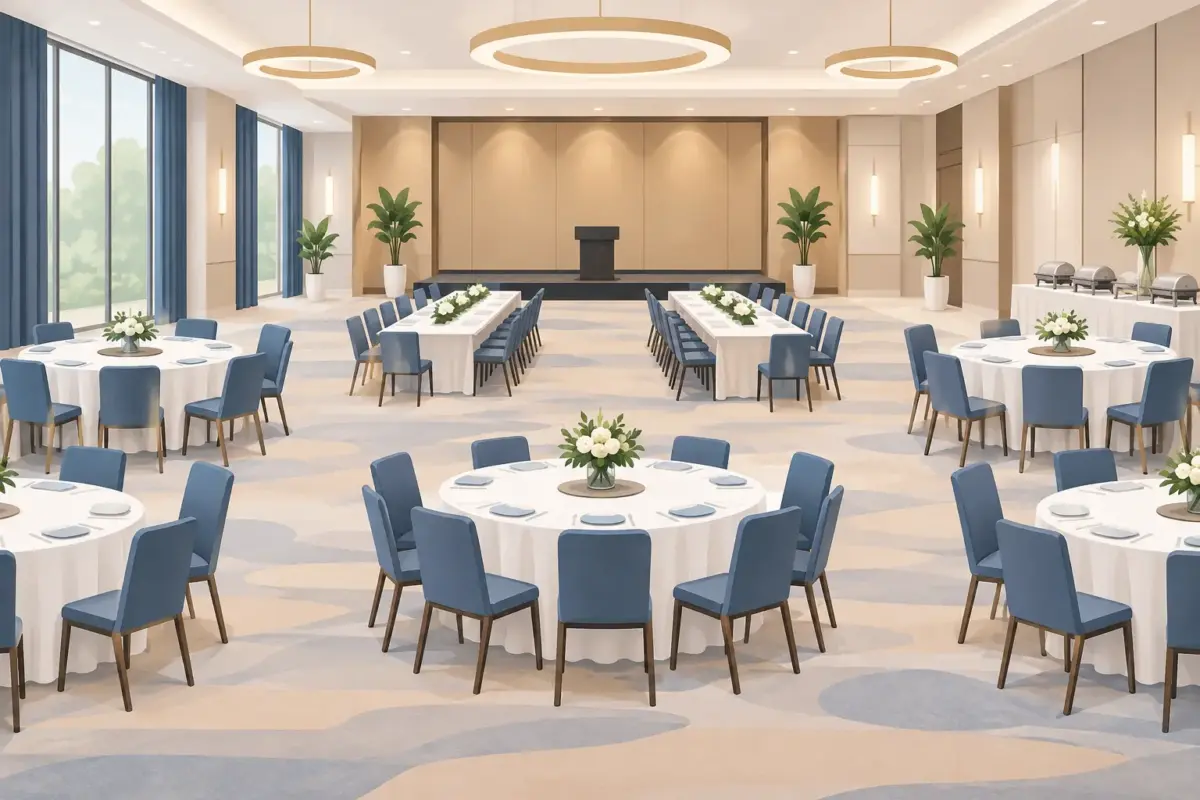
Banquet Room Layouts That Put Guests at Ease

A beautiful room can still feel uncomfortable if guests cannot see the speakers, reach the buffet, or move easily between tables. Thoughtful banquet room layouts solve those problems before the first place setting is set. They shape how people connect, how service moves, and whether the room feels welcoming from the moment guests arrive.

For weddings, family celebrations, business gatherings, and community events, the right setup is never just about fitting in the maximum number of chairs. It is about making the occasion feel intentional. A room for 50 can feel lively and warm, while a room for 250 can still feel personal when the layout gives every guest a place in the experience.

Start With the Event, Not the Table Count

The guest list matters, but it should not be the only number driving your floor plan. Begin by considering what guests will actually do during the event. Will they be seated through a plated dinner and speeches? Will they circulate for a cocktail-style reception? Is a presentation, dance floor, gift table, photo area, memorial display, or buffet part of the plan?

A layout that works beautifully for a retirement dinner may not suit a quinceañera. A corporate meeting needs clear sightlines, room for note-taking, and minimal distractions. A wedding reception needs a natural rhythm between dinner, toasts, dancing, and conversation. For a celebration of life, families often appreciate a layout that supports both seated reflection and easy mingling near photo displays or memory tables.

Before choosing a room arrangement, identify the event’s main moments. If a first dance is central to the evening, the dance floor deserves a visible, convenient location rather than being placed in a far corner. If the program includes several speakers, guests should not have to turn their chairs or strain to see. Planning around those moments creates a better guest experience than simply filling every available square foot.

Banquet Room Layouts for Different Occasions

Most event setups begin with a few familiar formats. Each has a purpose, along with trade-offs worth considering.

Round Tables for Receptions and Celebrations

Round tables remain a favorite for wedding receptions, anniversaries, fundraisers, birthday parties, and reunions because they encourage conversation. Guests can see one another, share the table naturally, and settle in for a relaxed meal. They also create a classic, festive look that works with nearly any color palette or centerpiece style.

The trade-off is space. Round tables require enough room for chairs to be pulled back and for servers to move between tables. Cramming in one additional table can make the room feel crowded and slow down meal service. It is often better to choose a comfortable seating count and leave room for aisles, rather than stretching capacity at the expense of comfort.

Long Tables for a More Connected Feel

Long rectangular tables bring guests together in a different way. They can feel elegant, family-style, modern, or rustic depending on linens, florals, and place settings. For smaller weddings, rehearsal dinners, showers, and milestone meals, this arrangement can make the occasion feel especially shared.

Long tables work best when the guest count and room shape support them. In a narrow room, they may use space efficiently. In a large room, however, too few long tables can make guests feel spread out. They also need careful planning around centerpieces, since very tall décor can block conversation across the table.

Theater and Classroom Seating for Meetings

For presentations, training sessions, award ceremonies, and business meetings, theater seating puts the focus on the front of the room. Rows of chairs allow a larger audience to view a speaker, screen, or stage area. It is an efficient format when dining is not the main activity.

Classroom seating adds tables in front of chairs for notebooks, laptops, coffee service, or meeting materials. It offers guests more personal workspace, though it uses more floor space than theater seating. If attendees will be taking notes or working through a longer agenda, the added comfort is usually worth it.

U-Shape and Hollow Square for Conversation

U-shaped and hollow-square arrangements are ideal when participation matters more than presentation. Board meetings, workshops, planning sessions, and team-building conversations benefit from allowing attendees to see one another. The open center can also give a facilitator room to move, demonstrate, or use visual materials.

These formats are not always practical for larger groups. Once the number of participants grows, sightlines across the room can become difficult and the setup takes up considerable space. For a smaller leadership group or committee meeting, though, they create a focused and collaborative environment.

Protect the Paths Guests and Staff Need

A well-planned floor plan makes movement feel effortless. Guests should be able to enter, find their table, visit the bar, and reach restrooms without squeezing past chairs or interrupting a speech. Staff should have clear routes to serve meals, clear plates, refresh beverages, and respond quickly if a guest needs assistance.

Keep the busiest areas from competing with one another. For example, placing the bar directly beside the buffet can create a bottleneck during dinner. A gift table near the entrance may be convenient, but it should not block check-in or create congestion as guests arrive. Similarly, a photo booth is more enjoyable when it is accessible without cutting through a dance floor or presentation area.

Think about the room in zones. The dining zone should support comfortable conversation. The program zone should give guests a clear view. The service zone should allow food and beverages to move efficiently. The celebration zone, whether that means a dance floor, lounge area, or activity space, should invite guests in without disrupting those who prefer to remain seated.

Give the Head Table and Stage a Purposeful Place

For a wedding or formal banquet, the head table is more than a decorative feature. It helps guests understand where to direct their attention during toasts, introductions, and special moments. Place it where the couple, honorees, or hosts can see the room and be seen without feeling isolated.

A sweetheart table can be a lovely choice for couples who want a quiet moment together while remaining part of the celebration. A larger head table works well when the wedding party will be included in speeches and introductions. Neither choice is automatically better. It depends on the size of the wedding party, the room dimensions, and how formal the reception will feel.

The same principle applies to a stage or speaker area. It should be visible from every table, with enough nearby space for a microphone stand, podium, screen, or musicians if needed. Avoid placing speakers where bright windows, busy doorways, or buffet traffic will distract from the program.

Plan for Food Service Early

Food service affects nearly every part of a banquet room layout. A plated meal requires clear service aisles and space for staff to work around tables. Buffet service requires enough room for lines to form without blocking seated guests. Stations can help spread guests throughout the room, but they need thoughtful placement so people are not all crowding one corner.

For larger celebrations, consider releasing tables in stages for buffet service. This keeps lines shorter and prevents the room from feeling paused while everyone waits for dinner. If you are offering a bar, dessert display, coffee station, or late-night snack, give each one its own breathing room.

Menu choices can influence the layout, too. A formal plated dinner supports a more structured table arrangement. Family-style service needs generous tabletop space. A reception with appetizers and action stations may benefit from a mix of high-top tables, lounge seating, and a smaller number of reserved dining tables.

Leave Room for the Unexpected

Even the best plan needs flexibility. A few guests may use mobility devices. A vendor may need access to an outlet. A last-minute guest may require an extra chair. A speaker may decide they need a small table for materials. Building in a little open space gives the event team room to solve small issues quietly.

This is also why an in-person walkthrough is so helpful. Photos and measurements are useful, but standing in the room helps you notice where sunlight falls, where guests will enter, and how far it feels from a back table to the dance floor. At Elkhorn Banquet Facility, experienced event staff can help hosts match the room setup to the guest count, menu, and pace of the celebration.

The best layout is the one guests barely notice because everything feels easy. When there is space to laugh, eat, listen, dance, and reconnect, the room has done exactly what it should: supported the people and the occasion they came to celebrate.

Categories
Uncategorized

8 Best Golf Tournament Formats for Any Group

A golf tournament is more than a day on the course. For a charity, company, team, or local organization, it is a chance to bring people together around a shared cause, build relationships, and enjoy a well-earned meal after the final putt. Choosing from the best golf tournament formats is one of the first decisions that shapes the entire experience. The right choice keeps play moving, gives newer golfers a reason to participate, and makes the awards portion feel meaningful rather than predictable.

The best format is not always the most traditional one. A low-handicap golf group may enjoy an individual stroke-play competition, while a company outing with first-time golfers will have far more fun in a team format. Start with the people you are inviting, then build the event around their comfort level and your goals.

How to Choose the Best Golf Tournament Format

Before settling on rules, consider the skill range of your players. If your guest list includes experienced golfers alongside coworkers, sponsors, or family members who play only occasionally, choose a format that allows teammates to contribute without putting every shot under a microscope. Scrambles and shambles are especially useful in these settings because one strong shot can keep the group in play.

Your schedule matters, too. Tournament rounds can run long when players are learning the game or navigating complicated scoring. Formats that minimize lost-ball searches and limit pressure on individual scores generally move faster. That gives you a better chance of beginning dinner, raffles, recognition, and fundraising activities on time.

Finally, think about what success looks like. A fundraising tournament may prioritize participation, sponsorship visibility, and a lively banquet afterward. A competitive club event may call for individual integrity and handicaps. Neither approach is better. They simply create different kinds of days.

8 Best Golf Tournament Formats to Consider

1. Scramble

A scramble is the go-to choice for many charity and corporate golf events, and for good reason. Every player hits a tee shot, the team selects the best ball, and everyone plays the next shot from that spot. The process continues until the ball is holed.

This format is welcoming because a newer golfer can hit one great drive or make one important putt and feel part of the team’s score. It also helps pace of play, since groups are not playing every ball from every location. The trade-off is that highly skilled teams can post very low scores, so organizers should set clear rules about handicaps, mulligans, tee assignments, and team makeup.

2. Shamble

A shamble begins like a scramble but becomes more individual after the tee shot. Each player hits a drive, the group chooses the best one, and then every player plays their own ball from that location through the hole. The organizer can count the best one, two, or three scores on each hole, depending on team size.

For groups with a mix of regular golfers and confident beginners, a shamble offers a nice middle ground. Everyone benefits from a good tee shot, but stronger players still have the chance to show their full game. It takes longer than a scramble, so it works best when the field is comfortable with a slightly more traditional round.

3. Best Ball

In best ball, each player plays their own ball for the full hole, and the team records the lowest individual score. A four-person team might have one player make par while the others make bogey, double bogey, and birdie. The birdie becomes the team score.

Best ball is simple to explain and rewarding for golfers who want to play their own round. It is less forgiving than a scramble, though, because every participant must keep playing their ball. Consider it for leagues, golf-focused client events, or groups where most players understand basic scoring and pace expectations.

4. Four-Ball

Four-ball is often used interchangeably with best ball, though it commonly refers to two-person teams. Both players play their own ball, and the lower score counts for the side on each hole. It can be played as stroke play or as match play, where each hole is a separate contest.

This is a strong format for a more competitive event because partners can develop strategy. One player may play conservatively to secure a par while the other takes a more aggressive line toward birdie. Four-ball asks more of each golfer than a scramble, but it remains enjoyable because one rough hole does not necessarily hurt the team.

5. Stableford

Stableford scoring rewards points rather than simply counting strokes. For example, an organizer might award one point for bogey, two for par, three for birdie, and four for eagle. The player or team with the most points wins.

The major benefit is psychological as well as practical: a bad hole does not ruin the whole round. Once a player can no longer score points on a hole, they can pick up and move to the next tee. That keeps the day moving and encourages players to take a smart risk now and then. Because point systems vary, publish the scoring chart before the event and include it on each scorecard.

6. Match Play

Match play turns a round into a series of small competitions. Players or teams compete to win individual holes, not to post the lowest total score over 18 holes. If one side makes a four and the other makes a five, the first side wins that hole and goes one up.

This format creates plenty of drama and friendly conversation, especially in brackets or team-versus-team events. It is less common for large charity fields because scoring and pairings require more attention. Still, it can be an excellent choice for a company league final, a club championship, or an event with a limited number of players.

7. Alternate Shot

Alternate shot, also called foursomes, pairs two golfers who play one ball and take turns hitting shots. One player tees off on odd-numbered holes and the other tees off on even-numbered holes. From there, partners alternate until the ball is in the cup.

There is no hiding in alternate shot, which is part of its appeal. Communication matters, and every decision affects a partner. It is best reserved for experienced groups or used as a fun side competition within a larger event. For a casual fundraiser, it may feel too demanding as the main format, but it can be memorable for a nine-hole add-on or a couples tournament.

8. Chapman System

Chapman System is a two-person format that provides teamwork without the intensity of alternate shot. Both players tee off, then switch balls for their second shots. After those second shots, the pair chooses the ball they prefer and plays alternate shot until it is holed.

The format rewards partners who communicate well and play to each other’s strengths. It also gives each person two early shots on every hole, which feels more forgiving than pure alternate shot. Chapman works particularly well for couples, friends, and smaller invitational events where the social side of golf is as important as the competition.

Match the Format to Your Event Goal

For a charity tournament, a scramble is usually the safest choice. It welcomes sponsors who may not be frequent golfers, makes room for contest holes and fundraising games, and creates an upbeat group experience. A shamble can work well if your supporters include more accomplished golfers who want a little more individual play.

For corporate outings and team-building events, choose a format that makes people comfortable talking, laughing, and helping one another. Scrambles are ideal, while Chapman or a casual best-ball variation can add interest for smaller groups. Avoid a highly technical format if most attendees are there to connect rather than compete.

For golf clubs, leagues, or serious player groups, four-ball, Stableford, match play, and individual stroke play offer more competitive credibility. Handicaps should be applied consistently, and scorekeeping should be carefully assigned. Clear rules protect the experience for everyone, especially when prizes are involved.

Plan the Day Around More Than the Scorecard

A strong tournament format needs equally strong event planning behind it. Set a realistic tee-time schedule, explain local rules before play begins, and make sure players know where to turn in scorecards. If contests such as longest drive, closest to the pin, putting challenges, or raffle drawings are part of the day, mention them at check-in so guests do not miss opportunities to participate.

The post-round gathering deserves just as much attention. Players will remember whether check-in felt organized, whether the food was satisfying, and whether the awards presentation started close to on time. At Elkhorn Banquet Facility, groups can pair a golf event with flexible banquet space, attentive coordination, and a meal that lets guests relax together after the round.

A simple rules sheet can prevent most scoring confusion. Include the format name, how scores are counted, any handicap policy, out-of-bounds guidance, and the deadline for returning cards. Keep it easy to scan. The more questions you answer before the first tee shot, the more your guests can focus on enjoying the day.

Choose a format that gives your particular group a reason to smile on the first tee and stay for the final award. When the golf feels accessible and the gathering feels cared for, the event becomes the kind people are happy to support again next year.