
Categories
Uncategorized

Event Planning Checklist for a Confident Celebration

A memorable gathering rarely comes together because someone remembered the centerpieces at the last minute. It works because the essential decisions were made in the right order. This event planning checklist helps Stockton-area hosts turn a wedding, birthday, quinceañera, fundraiser, meeting, reunion, or celebration of life into an occasion where guests feel welcomed and the host can actually enjoy the room.

The goal is not to control every tiny moment. It is to make a clear plan for the choices that affect your guests most: the date, space, food, comfort, timing, and people supporting the day. Some events need six months or more of lead time, while a smaller luncheon or family celebration may come together quickly when the venue, menu, and guest count are straightforward.

Start Your Event Planning Checklist With the Big Decisions

Before comparing decorations, favors, or entertainment, write down the purpose of the event in one sentence. A wedding reception may call for dinner, dancing, and a full evening of celebration. A company meeting may need quiet space, presentations, lunch, and reliable timing. A memorial gathering may center on comforting food, easy conversation, and room for family to connect.

Next, set a realistic budget. Divide it into broad categories: venue and food, beverages, rentals and decor, entertainment or programming, and a reserve for last-minute needs. The reserve matters. Guest counts shift, timelines change, and small additions can add up quickly.

Your first decisions should cover:

  • The event date, preferred start time, and a backup date if flexibility is possible
  • A working guest-count range, including children, vendors, speakers, or teammates
  • Your total budget and the amount available for food and beverages
  • The event style, from formal dinner to relaxed open-house gathering
  • The few moments guests will remember most, such as a ceremony, toast, presentation, meal, or dance floor

A date is not truly settled until you know the venue is available. If a particular Saturday is meaningful, book early. If affordability is the higher priority, a weekday, Sunday, brunch, or off-season date may give you more choices without sacrificing the experience.

Choose a Venue That Fits More Than the Head Count

Capacity is a starting point, not the entire answer. A room that technically holds 150 people can feel crowded once you add a buffet, bar, dance floor, head table, gift table, photo area, or presentation equipment. Ask how the room will be arranged for your particular event rather than choosing only by the maximum number listed.

Consider the full guest experience. Is parking convenient? Are entrances accessible for older relatives and guests with mobility needs? Is there a comfortable place for a wedding party, speakers, or family members to gather before the event? Can guests move easily from a ceremony to cocktails or dinner?

Full-service venues can simplify the planning process because the event space, food, beverages, tables, chairs, and on-site staff are coordinated through one team. That can reduce vendor calls and prevent day-of confusion. Still, confirm exactly what is included in your package and what requires an additional rental or outside vendor.

For groups of 15 to 325, Elkhorn Banquet Facility offers the benefit of flexible event halls and planning support in one Stockton location. The best fit depends on your guest count, desired layout, and whether your celebration needs separate spaces for a ceremony, reception, meeting, or cocktail hour.

Questions to Ask Before You Sign

Ask about the room access time, setup and cleanup expectations, payment schedule, food and beverage minimums, and any policies affecting music, decorations, alcohol, or outside desserts. It is also helpful to ask who will be your point of contact in the weeks before the event and who will be present during it.

Do not assume every venue handles the same details. A clear written agreement protects your budget and gives you a reliable planning reference when decisions start multiplying.

Build the Guest List and Invitation Plan

Your guest list shapes almost every other part of the event. It affects the room, menu, seating, staffing, rentals, and budget. Start with a preliminary list, then identify your comfortable attendance number before sending invitations.

For casual celebrations, digital invitations and a simple RSVP deadline may be all you need. For weddings, milestone events, or formal nonprofit gatherings, printed invitations can set the tone and give guests more complete information. Either way, include the date, time, location, parking guidance, dress expectations if applicable, RSVP instructions, and a contact method for questions.

Set your RSVP deadline far enough ahead to give the venue a final count. Follow up politely with guests who have not responded. Planning food for 100 when 125 arrive is stressful for everyone, while ordering for a much larger number than needed creates unnecessary expense.

Plan Food and Beverages Around Your Guests

Great food is one of the most talked-about parts of a successful event. The right menu is not always the most elaborate one. It is the menu that suits the time of day, event length, cultural traditions, guest ages, and budget.

A daytime shower may feel complete with brunch or light lunch. An evening wedding reception often calls for a fuller dinner service. A golf tournament or business event may need quick, practical options that keep attendees moving on schedule. Ask whether plated service, buffet service, family-style dining, appetizers, or food stations make the most sense for your format.

Collect dietary needs with RSVPs whenever possible. You do not need to build an entirely separate menu for every preference, but guests appreciate clear vegetarian, vegan, gluten-conscious, or allergy-aware options. Discuss serious allergies directly with the food service team rather than relying on assumptions.

Beverage planning deserves the same care. Decide whether you want hosted drinks, a cash bar, nonalcoholic specialty options, coffee service, or a combination. For family celebrations, offering appealing nonalcoholic choices helps every guest feel included.

Use a Simple Planning Timeline

A useful event planning checklist is organized by deadlines, not just by tasks. Start with the choices that impact availability and cost, then move into guest-facing details.

Three to Six Months Before

Confirm the date and venue, establish the budget, select major vendors if needed, and begin the guest list. For weddings and larger events, this is also the time to reserve photographers, DJs, florists, officiants, transportation, or specialty rentals.

Six to Eight Weeks Before

Send invitations, finalize the menu direction, plan the room layout, and decide on decor. Confirm who will give speeches, make announcements, lead a program, or handle music. If cultural or family traditions are part of the celebration, give them protected time in the schedule rather than trying to fit them in on the spot.

Two to Three Weeks Before

Review RSVPs, provide the expected count, confirm vendor arrival times, and create a simple event timeline. Share the timeline with the people who need it: venue coordinator, caterer, DJ or entertainer, photographer, speakers, and a trusted family member or colleague.

The Final Week

Confirm final details, prepare place cards or signage if you are using them, and pack any personal items that must be delivered. Assign one dependable person to answer routine questions on event day. That person can handle a late vendor, a missing place card, or a timing question while you focus on your guests.

Plan the Room for Connection

A thoughtful room layout helps an event feel relaxed from the moment guests arrive. Keep registration, gifts, cards, or welcome signage near the entrance without blocking the flow. Place older relatives or honored guests where they can comfortably see the main program. If you have dancing or presentations, make sure the focal area remains visible from most tables.

Decor should support the occasion, not compete with it. A few intentional details – linens, florals, photos, candlelight where permitted, or colors that matter to the family – often have more impact than filling every surface. For business events, clean signage and a well-organized presentation area can feel more polished than excessive decoration.

Think about sound, too. A lively room is wonderful, but guests should still be able to hold conversations during dinner. Ask where speakers, music, and microphones will be placed before the event begins.

Leave Room for the Unexpected

The strongest plans include a little breathing room. Build in extra time before guests arrive, between a ceremony and reception, before dinner service, and around speeches or presentations. Events run more comfortably when no one is rushing from one important moment to the next.

Keep a small day-of kit with printed timelines, contact numbers, tape, scissors, safety pins, stain remover, phone chargers, pens, and any sentimental items that need special handling. It is not glamorous, but it prevents small issues from becoming distractions.

Most of all, remember why you are gathering. A well-planned event gives people the chance to celebrate, reconnect, honor someone meaningful, or work toward a shared goal. Make the practical choices early, trust your support team, and leave enough space in the day to enjoy the people you brought together.


Categories
Uncategorized

How Banquet Halls Make Events Easier to Plan

A milestone event can look effortless to guests while requiring dozens of decisions behind the scenes. The right banquet halls take pressure off the host by bringing the space, food, service, setup, and planning support together in one welcoming place. That matters whether you are arranging a wedding reception, a quinceañera, a retirement dinner, a business meeting, or a celebration of life.

A great venue is not simply a room with tables. It is a team that understands the pace of an event, the importance of a warm meal served on time, and the comfort guests feel when they know where to go and what comes next. For Stockton-area families, couples, and organizations, choosing a full-service facility can turn a complicated event into an occasion everyone can enjoy.

What to Look for in Banquet Halls

Start with the question that shapes nearly every other choice: how many people will attend? Your guest count affects the size of the room, table layout, menu style, staffing needs, and budget. A room that feels too large can make an intimate shower or family dinner feel scattered. A space that is too tight can make a lively reception uncomfortable before the music even starts.

Flexible venue options make a meaningful difference. A facility with more than one event hall can accommodate a 20-person luncheon with the same care as a 250-person reception, without asking either group to compromise on comfort. Ask to see the room set in a style similar to your event, or at least discuss possible layouts for dining, dancing, presentations, gifts, buffet service, and a head table.

The calendar is equally important. Popular dates often book well ahead, especially spring and fall weekends. If your date has some flexibility, a Friday evening, Sunday afternoon, or weekday celebration may provide more choices and sometimes a better fit for the budget. The goal is not simply to secure a date. It is to find a time that works for the people you most want in the room.

Food and Service Are Part of the Experience

Guests may remember the toast, the first dance, or the heartfelt speeches, but they will also remember whether they felt cared for. Food and beverage service can set the tone for the entire gathering. A casual birthday party may call for familiar favorites and an easy buffet. A wedding reception may need a more formal plated meal, late-night bites, or a hosted bar. A daytime meeting may be best served by coffee, pastries, lunch, and refreshments that keep the group focused.

When comparing options, ask more than what is on the menu. Find out how meals are prepared and served, whether dietary needs can be accommodated, how beverage service works, and what is included in the package. Restaurant-quality catering from an experienced on-site team can reduce the risk of timing problems that sometimes arise when several outside vendors are involved.

There is also a practical advantage to keeping the meal and venue under one roof. Your coordinator, kitchen staff, and event team can work from the same schedule. That makes it easier to time dinner around a ceremony, presentation, tribute, tournament awards program, or cultural tradition. It also gives hosts one clear point of contact when plans need a small adjustment.

Plan the Room Around the Purpose of the Gathering

Every event needs a different kind of energy. A reunion benefits from open space where guests can reconnect. A corporate meeting needs good sightlines, comfortable seating, and room for speakers or screens. A memorial gathering often calls for a calm setting where loved ones can share a meal, display photographs, and spend unhurried time together.

For weddings and quinceañeras, think through the flow before choosing the layout. Where will guests arrive? Is there space for a welcome table, guest book, or photo display? Will the ceremony take place on-site, indoors or outdoors? Where will cocktail hour happen while the reception room is being prepared? These details create a smoother experience than simply placing tables wherever they fit.

Do not overlook practical amenities. Parking, accessibility, restrooms, climate control, sound equipment, linens, dance floors, podiums, and audiovisual support are not the most glamorous parts of a celebration, but they affect guest comfort in real ways. It is wise to ask which items are included, which are available to rent, and which responsibilities remain with the host.

A clear planning conversation prevents surprises

Before signing an agreement, walk through the event from arrival to departure with the venue team. Discuss access times for decorating, vendor arrival procedures, final guest-count deadlines, deposits, payment schedules, bar policies, and cleanup expectations. Clear answers protect your budget and help avoid last-minute decisions.

It is also helpful to name one person who can make day-of decisions. That may be the couple, a family member, an office manager, or a trusted friend. With a designated contact, the venue staff knows who to approach if a question comes up, allowing the host to stay present with guests instead of managing every small detail.

Full-Service Support Saves Time and Stress

Many hosts begin with a simple idea: find a room and handle the rest independently. That approach can work for a very small gathering, but it often becomes more demanding as the guest list grows. Separate contracts for catering, rentals, bar service, tables, chairs, staffing, and cleanup can create more invoices and more opportunities for miscommunication.

A full-service banquet facility offers a different path. The venue can help coordinate the pieces that shape the guest experience, from room setup and menu selections to service timing and rental extras. You still have room to make the event personal through colors, décor, music, traditions, favors, and meaningful touches. The difference is that you do not have to build the operational side from scratch.

This is especially valuable for events with emotional weight. Families planning a celebration of life may need kind guidance and a comfortable setting more than a long list of vendor decisions. Couples balancing work, family, and wedding planning may appreciate a responsive coordinator who knows the facility well. Local organizations hosting fundraisers or recognition dinners need a professional setting that helps their guests focus on the purpose of the evening.

At Elkhorn Banquet Facility, the ability to host events from 15 to 325 guests allows planners to choose a setting that matches the occasion, while food, beverage service, and experienced on-site support remain close at hand.

Make the Budget Work for the Event That Matters

Affordability is not always about choosing the lowest room rental. It is about understanding the complete cost before you commit. A lower initial quote can become less attractive when it does not include service staff, setup, equipment, linens, or other essentials. A transparent package may appear higher at first glance but offer better value once all the necessary pieces are considered.

Share your priorities early. If great food matters most, build the menu around that and choose simpler décor. If a large dance floor is essential, consider a streamlined cocktail hour or table arrangement. If guests are traveling from out of town, convenient timing, parking, and a comfortable room may matter more than elaborate extras. There is no single right way to allocate an event budget because every family, couple, and organization values something different.

Be honest about the guest count, too. Inviting far more people than the budget can comfortably support often creates stress later. A well-hosted event for 80 guests can feel more generous and memorable than a stretched-thin event for 150. The best celebration is one that feels like you, welcomes your guests warmly, and leaves you free to enjoy the moment you worked so hard to create.

When you tour a venue, pay attention to how the team listens. The right partner will not try to force your occasion into a package that does not fit. They will help you see what is possible, explain the choices clearly, and make room for your vision.

Categories
Uncategorized

How to Choose a Wedding Venue for Your Guest List

The right venue does more than give your wedding a beautiful backdrop. It shapes how easily your day comes together, how comfortable your guests feel, and how much time you spend enjoying the celebration instead of solving last-minute problems. Learning how to choose a wedding venue starts with looking beyond the room itself and finding a place that can support the way you want to celebrate.

For Stockton-area couples, that might mean a formal evening reception, an outdoor ceremony followed by dinner, or a relaxed gathering where great food and family time take center stage. Your wedding should feel like yours, not like a plan forced to fit someone else’s space or package.

Start With Your Guest Count, Not Your Dream Photos

Before touring venues, create a realistic guest estimate. You do not need every RSVP in hand, but you should know whether you are planning for 50 people, 150 people, or closer to 300. That number quickly narrows your options and helps you compare spaces fairly.

A venue that technically holds your guest count may not feel comfortable once you add dinner tables, a dance floor, a DJ, a gift table, a sweetheart table, and room for guests to move around. Ask each venue about its capacity for the specific setup you want, not simply the maximum number listed online.

Smaller weddings deserve the same care. A large ballroom can feel empty with a 40-person guest list unless the room can be arranged or divided to create a warm, intentional setting. Flexible venues are often a practical choice for couples who want room to tailor the atmosphere to their celebration.

Choose a Wedding Venue That Fits Your Day

Think through the full flow of your wedding day. Will you hold your ceremony and reception in the same location? Do you want an outdoor ceremony with an indoor backup plan? Will guests need a place to gather during a transition between the ceremony, cocktail hour, and dinner?

A single-location wedding can make the day easier for everyone. Guests do not have to navigate unfamiliar directions, hunt for parking twice, or wait between events. It can also simplify transportation, decor delivery, vendor arrival times, and your own timeline.

That does not mean separate ceremony and reception locations are always the wrong choice. A meaningful church ceremony or family property may matter deeply to you. If you choose two locations, allow generous travel time and make sure your reception venue is ready to welcome guests when they arrive.

Consider the Weather Plan Early

Outdoor ceremonies can be lovely, especially when the weather cooperates. But a good venue conversation includes the backup plan before you book. Ask where the ceremony moves if there is rain, strong wind, excessive heat, or poor air quality.

The best backup plan is not an afterthought. It should be a space where you would still be happy to say your vows. Knowing that plan ahead of time lets you relax rather than watch the forecast all week.

Look at What Is Included in the Price

A lower room rental can look appealing until you begin adding chairs, linens, tableware, staffing, setup, cleanup, catering, bar service, and equipment rentals. When comparing venues, ask for a clear breakdown of what is included and what costs extra.

A full-service venue may have a higher starting number but save money and coordination time by providing several essentials in one place. It also reduces the number of separate vendors you need to manage. For many couples, having one experienced team handle the room, food, beverage service, tables, and staffing is worth more than chasing the lowest initial quote.

Ask about the details that can affect your final total:

  • Ceremony fees, rehearsal access, and room-flip costs
  • Service charges, taxes, gratuities, and security requirements
  • Catering and bar minimums
  • Setup, cleanup, and overtime policies
  • Tables, chairs, linens, dance floors, and audio equipment
  • Decorations, vendor restrictions, and damage deposits

You do not need every answer before your first tour, but you should have them before signing a contract. Clear package information is a sign that a venue respects your budget and wants you to plan with confidence.

Make Food and Beverage Part of the Decision

Your guests may forget the color of the napkins, but they will remember whether they felt welcomed and well-fed. If a venue provides catering, schedule a tasting when possible and ask to see menu options that fit your style, cultural traditions, dietary needs, and budget.

Some couples want a plated dinner with a polished service style. Others prefer a buffet that encourages guests to choose their favorites and mingle. Neither is automatically better. A plated meal can feel more formal and keep the evening on schedule, while a buffet may offer more variety and flexibility for a crowd.

Also ask how the venue handles vegetarian, vegan, gluten-sensitive, and child-friendly meal requests. If alcohol is part of your reception, discuss bar packages, hosted versus no-host options, signature drinks, and the venue’s policies around outside beverages. These conversations are easier before you fall in love with a space that cannot accommodate what matters to you.

Pay Attention to Service, Not Just Style

Beautiful photos can tell you a lot about a venue’s appearance, but they cannot show how it feels to work with the people behind it. During your tour, notice whether the staff listens to your questions, explains options clearly, and offers practical advice without pressuring you.

Ask who will be your contact from booking through the wedding day. Some venues provide planning guidance and an on-site event lead, while others rent the room and leave most logistics to you. The right level of support depends on your planning style, but no couple should be surprised by that difference after signing.

A dependable team can help you create a realistic timeline, coordinate room changes, keep meal service moving, and address small issues before they become your problem. Hospitality is often what guests remember most. A warm welcome, attentive service, and a well-run evening make a lasting difference.

Tour With Your Actual Celebration in Mind

When you visit, picture your wedding at each stage, from arrivals to the final dance. Stand at the ceremony site and consider sight lines. Walk the path guests will take to cocktail hour. Look at parking, restrooms, entrances, lighting, and accessibility for older relatives or guests using mobility aids.

Bring a short list of priorities, but leave room for your instincts. A space may check every box on paper and still not feel right. On the other hand, a venue that feels welcoming and well-managed may be worth considering even if you need to make a small compromise on decor or date.

It can help to bring one or two trusted decision-makers rather than a large group with competing opinions. Your wedding is a shared celebration, but the final choice should reflect your needs as a couple.

Confirm the Contract Before You Commit

Once you have found a strong match, review the contract carefully. Confirm the date, event hours, guest minimums, payment schedule, cancellation terms, insurance needs, food and beverage commitments, and any rules that could affect your plans.

Be especially clear about when vendors can arrive, when decorations must be removed, and what happens if your event runs late. If something is important to you, such as a specific ceremony location, menu accommodation, or access time, make sure it is documented rather than assumed.

At Elkhorn Banquet Facility, couples can choose from flexible event spaces for intimate gatherings and larger celebrations, with food and beverage service and an experienced team ready to help bring the details together. The goal is simple: our venue, your vision.

The best venue is not necessarily the trendiest room or the largest package. It is the place where your guest list fits comfortably, your budget makes sense, your meal feels generous, and the people helping you are ready to care for your celebration. When you find that combination, you can spend less energy managing the day and more time being fully present for it.

Categories
Uncategorized

Can Venues Accommodate Dietary Restrictions?

A wedding guest with a severe nut allergy should not have to choose between joining the meal and feeling safe. Neither should a grandmother managing diabetes, a colleague who keeps kosher, or a child who cannot eat gluten. So, can venues accommodate dietary restrictions? Often, yes – but the quality of that accommodation depends on early communication, realistic menu planning, and a catering team that understands the difference between a preference and a medical need.

For hosts, the goal is not to create a dozen completely separate meals. It is to work with a venue that can build a welcoming food plan, document guest needs, and serve everyone with care. A thoughtful approach protects guests, reduces last-minute stress, and lets the celebration stay focused on the people in the room.

What Dietary Accommodation Really Means

Dietary restrictions are not all alike. Some guests avoid foods by preference, while others follow faith-based dietary practices or need specific meals for a health condition or food allergy. A venue may be able to offer vegetarian, vegan, gluten-aware, dairy-free, or allergy-conscious options, but those terms do not automatically mean the same thing in every kitchen.

For example, a vegetarian entrée is usually a straightforward menu alternative. A guest with celiac disease may need a gluten-free meal prepared and plated with extra attention to cross-contact. Someone with a life-threatening shellfish or nut allergy may require even more detailed planning, including clarity about shared cooking surfaces, fryers, utensils, sauces, and garnishes.

That is why the best question is not simply, “Do you have special meals?” Ask how the venue handles the particular restriction that matters to your guest list. An experienced event team will welcome that conversation rather than treat it as an inconvenience.

Can Venues Accommodate Dietary Restrictions Safely?

Many full-service venues can accommodate common dietary requests when they receive enough notice. The answer becomes more nuanced for severe allergies, highly specialized religious requirements, or requests involving strict prevention of cross-contact. No responsible venue should promise an allergen-free environment if its kitchen also prepares foods containing that allergen.

Clear, honest communication is a sign of good hospitality. A venue should explain what it can prepare, what procedures it follows, and where limits may exist. For some events, a separate plated meal is the right solution. For others, a carefully selected buffet with clear ingredient labels and staff assistance may work well. The right service style depends on the number of affected guests, the nature of the restriction, and the kitchen’s capabilities.

At Elkhorn Banquet Facility, planning support and restaurant-quality food service help hosts bring these conversations together before event day. The earlier a coordinator and catering team understand the guest needs, the more options there are to create a satisfying, practical menu.

Start the Conversation Before You Sign a Contract

Dietary needs should be part of the venue discussion from the first planning meeting, especially if you already know about severe allergies or religious dietary requirements. Mention the expected guest count and the types of needs you anticipate. You do not need every guest’s final entrée choice at this stage, but a general picture helps the venue recommend an appropriate menu and service approach.

Ask whether special meals are available, when final dietary information is due, and whether there is an additional charge for substitutions. It is also useful to ask who will receive the final list. A request that lives only in an email thread can be missed; a request included in the banquet event order or catering notes is easier for the kitchen and service staff to follow.

If your event includes a hosted bar, ask about beverage considerations as well. Some guests may need nonalcoholic options, low-sugar choices, or ingredient information for mixers and garnishes. A welcoming celebration gives guests choices without asking them to explain personal health information in front of others.

Questions Worth Asking Your Venue

A brief, specific conversation can prevent confusion later. Ask whether the chef can modify menu items, whether ingredients and sauces can be identified, and whether meals can be plated separately. For severe allergies, ask directly about shared equipment, fryer use, food storage, preparation surfaces, and the staff’s procedure for delivering the meal.

You should also ask how special meals are identified during service. A discreet marker on an escort card, place card, or catering diagram can help servers bring the correct plate to the correct guest without making that person feel singled out. Confirm whether the banquet captain or lead server will be aware of the plan.

Build a Menu That Gives More Guests a Good Option

The easiest way to accommodate dietary restrictions is to select menu components with broad appeal from the start. A vegetable-forward side, a naturally gluten-free starch, a dairy-free salad dressing, and a clearly vegetarian entrée option can serve many guests without turning the meal into a complicated patchwork.

This does not mean every dish must be designed around one restriction. Couples and hosts should still choose food that fits their celebration, budget, and guests. A formal plated dinner may make individual accommodations easier to track, while a buffet can offer variety and choice for a large group. On the other hand, buffets can create more risk of guests using shared utensils or accidentally mixing foods. Staff-served buffet stations, labels, and a designated special-meal pickup plan can help.

For events with several dietary needs, a plated meal or preselected entrée is often the clearest option. It allows the catering team to count and prepare each alternative in advance. For a casual reunion, shower, or company lunch, a buffet may be a better fit when the menu includes enough naturally accommodating choices. There is no single best format – the best choice is the one that matches the event and the needs of the people attending.

Collect Guest Information Without Making It Awkward

Your invitation or RSVP form can include a simple line asking guests to share dietary restrictions by a firm date. Keep the wording open and respectful: “Please let us know of any food allergies or dietary needs.” For a wedding, guests can respond through the RSVP process. For a corporate or nonprofit event, the registration form is a natural place to collect details.

Avoid asking guests to diagnose their needs or provide unnecessary medical information. You only need the information the kitchen needs to plan safely, such as “gluten-free due to celiac disease,” “vegan,” or “severe tree nut allergy.” If a request is complex, follow up privately and encourage the guest to share the practical details that affect food preparation.

Give the venue one clean, final list rather than several changing versions. Include the guest’s name, table number if available, restriction, and selected meal. Then confirm the final count by the venue’s deadline. Last-minute additions can sometimes be managed, but they limit the kitchen’s ability to prepare and verify a thoughtful alternative.

Service Details Matter as Much as the Menu

Even an excellent special meal can go wrong if it is delivered to the wrong seat or if a server cannot answer a basic question about the plate. Before the event, confirm the service plan with your coordinator. The catering team should know which meals are special, how they are marked, and whether they should be served separately from the main entrée.

For buffet events, ingredient cards are helpful, but they are not a substitute for informed staff. Labels should identify major ingredients where possible, while staff can guide guests toward suitable selections. If a guest has a severe allergy, it may be safer to arrange a separately plated meal rather than rely on a shared buffet line.

Hosts should also avoid promising guests something the venue has not confirmed. It is kind to tell a guest that you are working on an option. It is better to wait for the catering team’s clear answer before assuring someone that a meal is completely safe for a specific allergy.

A Thoughtful Meal Is Part of the Welcome

Food brings people together, but a successful event meal is about more than what is on the plate. It tells guests that their comfort was considered when the room was set, the menu was chosen, and the celebration was planned.

Share dietary needs early, ask direct questions, and choose a venue team that communicates plainly about what it can provide. That preparation gives your guests a better chance to relax, enjoy the occasion, and feel fully included at your table.

Categories
Uncategorized

How to Choose Wedding Venues in Stockton

A wedding venue can look perfect in photos and still create a long list of hard decisions on the wedding day. A beautiful room that is too tight for dinner, a ceremony site with no weather backup, or a low rental rate that leaves you coordinating every vendor can quickly change the experience. The best wedding venues give you more than a backdrop. They give you room to celebrate, a clear plan, satisfying food, and people who know how to keep a special day moving.

For Stockton couples, the right choice often comes down to a practical question: which setting will make your guests feel welcome while making the planning process easier for you? Start there, then look closely at the details that shape the celebration.

Start With the Guest Experience

Before comparing room photos, make a realistic guest list. Your venue should comfortably support the number of people you expect at the ceremony, cocktail hour, dinner, and dancing. Those numbers are not always the same. Some couples invite more guests to the ceremony than the reception, while others need space for a larger dinner crowd, a head table, a dessert display, and a dance floor.

Ask each venue what its capacity means in practice. A room may hold a certain number of people for a standing reception but feel very different with round tables, a buffet, a DJ setup, and room for dancing. An experienced coordinator can help you picture the layout instead of asking you to guess from a capacity number alone.

Flexibility matters, too. An intimate wedding should not feel lost in an oversized hall, and a larger reception should not feel crowded or rushed. Venues with more than one event space can be especially helpful for couples planning a celebration that changes throughout the day, such as an outdoor ceremony followed by an indoor dinner and reception.

Compare Wedding Venues Beyond the Rental Fee

The rental fee is only one piece of the wedding budget. When comparing wedding venues, ask for a clear picture of what is included and what will need to be arranged separately. A lower initial price may not remain lower once you add tables, chairs, linens, setup, cleanup, catering, bar service, staffing, and ceremony equipment.

A full-service venue can simplify the process because several major details are coordinated in one place. That does not mean every couple needs the same package. Some want a formal plated dinner and hosted bar; others prefer a buffet, lighter fare, or a relaxed afternoon gathering. The benefit is having choices, along with a team that can explain the cost and timing behind each one.

When reviewing proposals, look for answers to these practical questions:

  • What food, beverage, staffing, and rental items are included?
  • Are there separate fees for setup, cleanup, cake cutting, security, or overtime?
  • Can the space host both the ceremony and reception?
  • What happens if weather changes an outdoor ceremony plan?
  • When can vendors arrive, and when must the event end?

Clear answers now prevent uncomfortable surprises later. They also help you compare venues fairly instead of comparing only the first number you see.

Food and Bar Service Set the Tone

Guests may not remember every centerpiece, but they will remember whether they were comfortable, cared for, and well fed. Food is one of the most personal parts of a wedding reception, especially when families are gathering across generations or honoring cultural traditions.

Ask to review menu options early. Look for a venue that can offer variety while being honest about what is possible for dietary needs, children, and guests with food allergies. If you have a favorite family dish or a specific style of meal in mind, bring it up during the first conversation. There may be ways to tailor the menu, or the venue may have a recommendation that fits your vision and budget.

Bar service deserves the same attention. A hosted bar, cash bar, beer and wine service, signature drink, or alcohol-free reception each creates a different atmosphere and cost. There is no universal right answer. The best option depends on your guest list, the time of day, and the kind of celebration you want to host.

Restaurant-quality catering and professional bar service also reduce the number of outside vendors you need to manage. That can be a major advantage when you would rather spend your final planning weeks choosing music and enjoying your engagement than tracking delivery schedules.

Think Through the Full Wedding Day

A venue tour should help you imagine the entire day, not just the moment you walk down the aisle. Picture where wedding party members will arrive, where guests will park, where family members can gather before the ceremony, and where photographs can happen without interrupting dinner service.

If you are considering an outdoor ceremony, ask about shade, sound, accessibility, restrooms, and a backup plan. Stockton weather can make outdoor celebrations feel inviting, but even a sunny forecast calls for thoughtful comfort planning. Older relatives, young children, and guests in formal attire will appreciate a place to cool down, sit comfortably, and move easily from one part of the event to the next.

Indoor spaces offer their own advantages: climate control, dependable lighting, and fewer weather-related decisions. A combination of indoor and outdoor options often gives couples the best balance. You can plan for the ceremony you want while knowing your reception will stay comfortable and on schedule.

Do Not Overlook the Transition Times

The moments between ceremony, cocktail hour, dinner, toasts, and dancing are where a reception either feels smooth or starts to drag. Ask how the venue handles room changes, food service timing, and guest flow. A capable on-site team can guide guests naturally from one moment to the next without making the schedule feel overly formal.

This is also where having one dependable point of contact matters. You should know who will be available on the event day, what that person manages, and when you will finalize details such as your floor plan, timeline, menu count, and vendor list.

Choose a Team That Listens

Your venue team does not need to make every decision for you. They should make it easier for you to make confident decisions. During a tour or consultation, notice whether staff ask thoughtful questions about your priorities. Are they interested in the kind of experience you want for your family and guests? Do they explain options clearly? Do they offer realistic guidance when a request may affect the budget or timeline?

A good event partner brings calm to the planning process. They have seen what happens when a toast runs long, when a guest count changes late, or when a ceremony needs to move indoors. Their experience should feel reassuring, not restrictive.

At Elkhorn Banquet Facility, couples can consider indoor and outdoor ceremony options, flexible event halls for gatherings from 15 to 325 guests, food and beverage service, and planning support in one Stockton location. That combination is especially useful for couples who want a polished celebration without piecing together every detail from separate providers.

Visit With Your Priorities in Hand

A venue tour is more useful when you arrive with a short list of non-negotiables. Maybe you need room for a large family, a comfortable indoor option, a specific budget range, or food that will make the reception feel like a true meal rather than an afterthought. Share those priorities openly.

Also pay attention to how the space feels when you imagine it filled with your people. Can your grandparents navigate it easily? Is there enough room for your friends to dance? Does the setting fit a formal evening reception, a relaxed brunch wedding, or something in between? The right venue should support your style rather than asking you to force your celebration into a format that does not fit.

The goal is not to find a venue that checks every box on a generic list. It is to find a place where your guest count, budget, food preferences, ceremony plan, and family traditions can come together with less stress. When the space and the service feel right, you can spend more of the day looking across the room at the people you love and less time wondering what needs to happen next.

Categories
Uncategorized

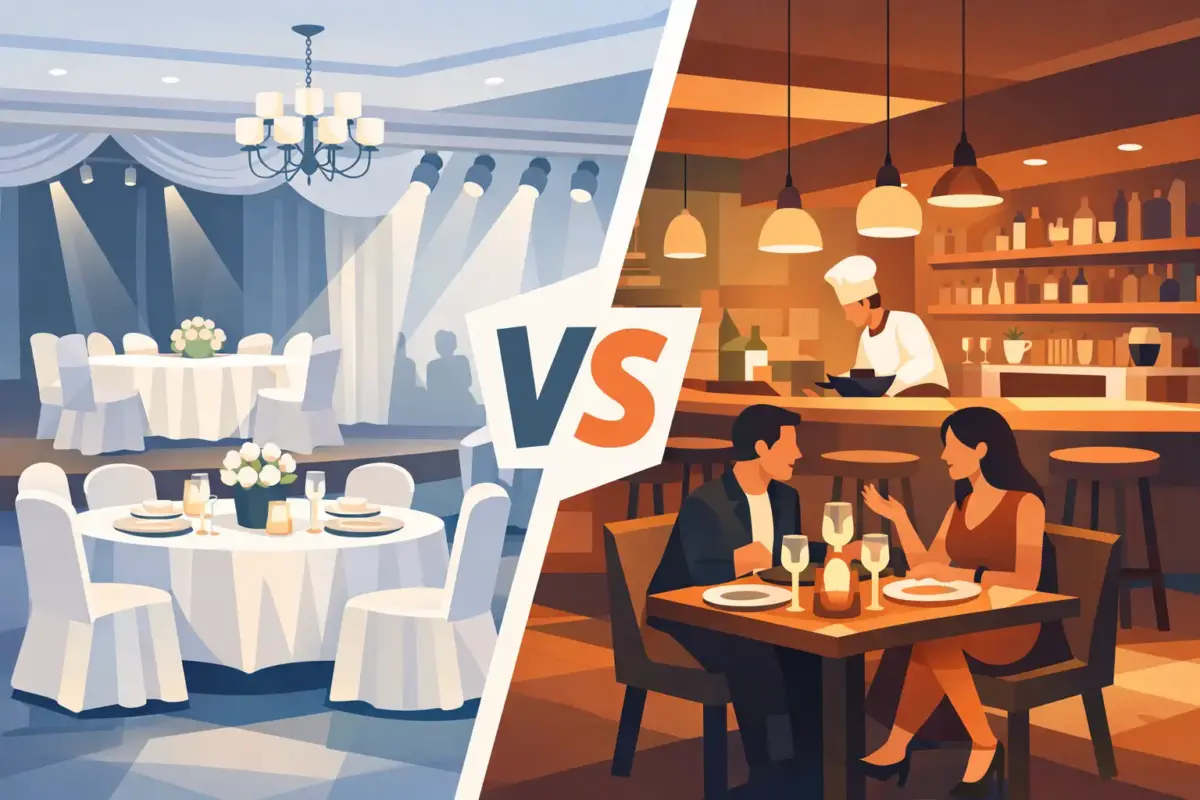
Banquet Hall Versus Restaurant: Which Fits?

A birthday dinner for 20 and a wedding reception for 200 may both involve great food and a room full of people you care about, but they ask very different things of a venue. When weighing a banquet hall versus restaurant, the best choice comes down to more than the menu. Consider how much privacy you need, how long guests will stay, what the event needs to feel like, and how much coordination you want to handle yourself.

A restaurant can be a wonderful setting for an intimate gathering built around a meal. A banquet hall is often the better fit when the gathering needs room to breathe – with space for speeches, a dance floor, a ceremony, presentations, gift tables, family traditions, or a full day of celebration. Neither option is automatically better. The right one is the place that makes hosting feel manageable and lets your guests feel welcome from the moment they arrive.

Banquet Hall Versus Restaurant: Start With the Guest Experience

The simplest way to compare a banquet hall and a restaurant is to picture your guests’ experience from arrival through the final goodbye. Will they come in, enjoy a meal, and leave after a couple of hours? Or will they mingle, celebrate, listen to toasts, take photos, and stay for dancing or a program?

Restaurants are designed around dining. Even a private dining room usually follows the rhythm of a meal: guests are seated, courses are served, and the room turns over at a set time. That structure can make a restaurant feel easy and polished for a rehearsal dinner, retirement lunch, team dinner, or small family celebration.

A banquet facility is designed around an occasion. The room can be arranged for the event rather than asking the event to fit around regular restaurant service. That difference matters when your guest list includes several generations, when you have a cultural program or formal traditions, or when guests need space to move comfortably between dinner, speeches, and dancing.

When a restaurant is the better choice

A restaurant often makes sense for smaller groups whose main purpose is sharing a memorable meal. If you do not need a microphone, dance floor, ceremony space, custom decor, or extended event time, a reserved dining area may offer exactly the relaxed atmosphere you want.

It can also be a practical choice when guests are comfortable ordering individually or when the menu is the centerpiece of the evening. The trade-off is that flexibility may be limited. You may have fewer choices for room layout, music, decorations, start and end times, and private access to the space.

When a banquet hall is the better choice

A banquet hall is typically the stronger choice for weddings, quinceañeras, showers, reunions, celebrations of life, fundraisers, company meetings, and milestone birthdays. These events often need more than tables and dinner service. They need a welcoming arrival area, a comfortable flow for guests, space for a program, and staff who understand the schedule behind the celebration.

A dedicated hall also gives hosts more control over the feel of the room. You can create an intimate setting for a smaller group or open up a larger space for a full reception. For many families and organizations, that flexibility is what turns a gathering into an event that feels personal.

Space Is About More Than Guest Count

A venue may technically seat your number of guests while still feeling crowded, awkward, or too quiet. Before booking, think about everything that needs to fit in the room: dining tables, buffet or service stations, a head table, cake table, gift table, photo backdrop, DJ or band, dance floor, podium, and space for guests using mobility aids.

At a restaurant, the dining room layout is often established long before your event begins. Private rooms may offer some flexibility, but fixed furniture, nearby guests, and restaurant traffic can affect the experience. This is not a drawback for every event. A lively restaurant setting can be part of the appeal for a casual anniversary dinner or a post-game team meal.

At a banquet hall, room configuration is part of the planning conversation. That is especially valuable for events with a changing schedule. A room that works for a daytime baby shower may need a very different layout for an evening banquet with entertainment. Ask whether the venue has separate spaces available, what capacity is comfortable for your preferred setup, and whether outdoor areas can be part of the day.

Food and Beverage: Look Beyond the Menu

Restaurant food can be a natural draw, particularly when your guests already love the cuisine or you want an informal, order-from-the-menu experience. Still, private events often benefit from food service designed for groups. A planned banquet menu helps the kitchen serve guests together, keeps the schedule moving, and gives hosts a clearer view of food and beverage costs ahead of time.

A full-service banquet venue can offer the best of both approaches: restaurant-quality food with service structured around your event. Look for menu options that can accommodate children, vegetarian guests, food allergies, and family favorites. Ask how the venue handles appetizers, plated meals, buffets, dessert, bar service, and late-night refreshments if your celebration will run longer.

The service style matters just as much as the meal itself. A plated dinner feels formal and keeps the program on schedule. A buffet encourages guests to mingle and can give them more choice. Family-style service may feel especially warm for a close gathering. There is no universal answer, but the food plan should support the mood you want rather than interrupt it.

Compare the Full Cost, Not Just the Room Rate

A restaurant reservation can appear less expensive at first because there may be little or no venue rental fee. However, a food-and-beverage minimum, gratuity, taxes, room fees, cake-cutting fees, corkage fees, or required menu selections can change the final number. A banquet hall may have a rental fee, but it may also include tables, chairs, linens, setup, cleanup, staff support, and dedicated event time.

The most useful comparison is the total cost for the experience you want. Request a clear estimate that includes food, beverages, service charges, taxes, rentals, staffing, and any extras you expect to use. If you are comparing two options, make sure both quotes account for the same guest count, service style, event duration, and level of privacy.

Affordability does not mean choosing the least expensive line item. It means selecting a setting that reduces surprise costs and gives you what you truly need. For a large celebration, having core services coordinated through one venue can save both money and a great deal of planning energy.

Timing, Privacy, and Planning Support

Restaurants work on restaurant schedules. Your group may be assigned a dining window, and the team may be serving other guests nearby. For a simple meal, that is perfectly reasonable. For a wedding reception, memorial, awards banquet, or fundraiser, it may create pressure at the very moments when you want guests to linger.

A banquet hall generally offers more control over the timeline. You can build in time for decorating, vendor arrival, a ceremony, cocktail hour, dinner, speeches, and cleanup. Private space also gives guests room to speak freely and participate in emotional or meaningful moments without competing with the regular activity of a public dining room.

Planning support is another meaningful difference. An experienced event team can help you think through room flow, meal timing, head counts, rentals, and weather plans for outdoor portions of an event. That guidance is particularly helpful when you are hosting for the first time or coordinating a large family celebration while managing work and everyday life.

Choose a Venue That Can Meet the Moment

For Stockton-area hosts, the ideal choice may be a venue that provides both a celebratory event setting and satisfying food service in one place. Elkhorn Banquet Facility offers flexible halls for gatherings of 15 to 325 guests, along with catering, bar service, planning support, and the welcoming hospitality that helps hosts feel supported. It is a useful option when your celebration needs more room, more privacy, or more coordination than a standard restaurant reservation can provide.

Before making a decision, share the real shape of your event with the venue team: your guest count, budget range, preferred date, must-have traditions, and the moments you do not want to rush. A good venue partner will be honest about what fits, what needs adjustment, and how the day can run comfortably.

The best setting is not simply the one with the prettiest room or the lowest initial price. It is the one that gives your guests a good meal, enough room to connect, and a host who can spend the celebration making memories instead of managing details.

Categories
Uncategorized

Wedding Catering Reviews That Reveal the Real Deal

A reception meal is one of the few wedding details every guest will experience at the same time. That is why wedding catering reviews deserve more attention than a quick star rating and a glance at the menu. The most useful feedback tells you whether the food arrived at the right temperature, whether the staff kept the celebration moving, and whether the couple felt cared for when plans changed.

For Stockton couples, the goal is not to find a caterer with a perfect online profile. It is to find a food and service team whose strengths match the kind of wedding you are planning, your guest count, your budget, and the experience you want to create around the table.

What Wedding Catering Reviews Can Tell You

A review can be more revealing than a polished gallery of plated entrées, especially when it includes specific details. Comments such as “the buffet stayed full,” “the servers handled our large family with kindness,” or “the coordinator adjusted dinner when our ceremony ran late” point to the everyday work behind a successful reception.

Look for recurring themes rather than putting too much weight on one glowing comment or one frustrated one. Every event has variables. A guest may have disliked a particular dish, while another loved it. But when several couples mention attentive staff, generous portions, timely service, or consistently good food, that pattern is meaningful.

The reverse is also true. Repeated concerns about slow bar service, unclear charges, cold meals, or difficulty reaching the event team should prompt direct questions. A professional venue or caterer should be ready to explain how it manages service timing, staffing, dietary requests, and final guest counts.

Read Beyond the Food Compliment

“The food was delicious” is encouraging, but it is only the beginning. A wedding meal involves many moving parts: setup, linens and place settings, cocktail hour, dietary accommodations, beverage service, cake cutting, clearing tables, and the timing of speeches and dancing.

Pay attention when reviewers describe how the team performed under real wedding conditions. Did staff stay calm when the timeline shifted? Did they check on grandparents and guests with mobility needs? Did they make sure the couple actually had a chance to eat? These details often separate pleasant catering from truly dependable hospitality.

How to Read Wedding Catering Reviews With Context

The strongest reviews give you a sense of fit. A caterer praised for a formal, plated dinner may be an excellent choice for a black-tie reception, but a couple planning a relaxed evening with family-style service may need something different. Neither approach is better. It depends on the atmosphere, schedule, and guest experience you have in mind.

Consider the reviewer’s event size, format, and priorities. A 40-person brunch wedding has different demands than a 250-person evening reception. If your guest list includes several generations, comments about comfortable seating, easy access, and staff patience may matter as much as comments about the entrée. If you are planning a lively celebration with a full dance floor, reviews of bar service and the pace of dinner become especially relevant.

Recent reviews generally carry more weight because menus, staffing, and operating practices can change over time. Still, a business with positive feedback across several years may demonstrate something valuable: a lasting commitment to service rather than one good season.

Notice How Management Responds

No hospitality business can promise that every event will be free of surprises. What matters is how the team responds. If a review mentions an issue, look at the response with a practical eye. Does the business acknowledge the concern respectfully? Does it offer context without becoming defensive? Does it show a willingness to make things right?

That response can give you an early picture of the communication style you may experience while planning. Couples should feel comfortable raising questions about cost, timing, menu substitutions, or family traditions. Clear, courteous communication is part of the catering service, not an extra.

Questions Reviews Should Help You Ask

Reviews are a starting point for a conversation, not a substitute for one. Bring recurring compliments and concerns into your venue tour or menu consultation. This helps you move from broad impressions to details that affect your day.

Ask how the team estimates staffing for your guest count and service style. Ask when food is prepared, how buffet stations are refreshed, and who manages the schedule once guests arrive. If you have vegetarian, vegan, gluten-sensitive, or other dietary needs, ask how those meals are identified and served so no guest is left guessing.

You should also ask what is included in the quoted food and beverage price. Some packages include tables, chairs, linens, dinnerware, staffing, and cleanup, while others price those items separately. Comparing a lower menu price to a fuller-service package can be misleading if the first option requires several additional vendors or rentals.

For an organized conversation, these five questions are worth keeping close:

  • How will service change if our final guest count is higher or lower than expected?
  • Who will be our point person on the wedding day?
  • What menu adjustments can be made for dietary needs and family preferences?
  • What is included in the catering package, from setup through cleanup?
  • Can we schedule a tasting or discuss the dishes guests mention most often in reviews?

The answers should feel clear, not complicated. You are trusting this team with an important gathering, and you should understand how the plan works before signing a contract.

Food Quality Is More Than the Main Entrée

When couples read catering feedback, they naturally focus on the entrée. Yet guests often remember the complete experience: flavorful appetizers during cocktail hour, a fresh salad, a well-stocked buffet, satisfying side dishes, and coffee available when dessert is served.

A menu also needs to make sense for your event. A plated meal can feel elegant and create a polished service rhythm, but it requires accurate meal selections and a more structured timeline. Buffet service offers guests variety and may suit a larger or more relaxed celebration, though it needs thoughtful station placement and enough staff to keep lines moving. Family-style service feels warm and communal, but table space and staffing requirements should be considered early.

Ask whether menu options can reflect your family’s traditions. A wedding reception is often where different families meet around one table, and familiar flavors can make the occasion feel more personal. Flexibility matters, but so does choosing a team that can execute the final menu well. A smaller menu prepared confidently is often a better guest experience than too many choices handled inconsistently.

Value Means Fewer Day-Of Worries

The best value is not always the lowest price per person. It is the plan that gives you confidence in what will happen when guests begin arriving. A full-service venue can simplify the process by coordinating the reception space, catering, bar service, rentals, and on-site staff through one experienced team.

That convenience can be especially helpful for couples balancing work, family responsibilities, and a long planning list. Rather than coordinating delivery times between separate vendors, you have a clearer chain of communication and fewer handoffs on the day itself. For some weddings, using separate specialists is the right choice. For many others, having the venue and catering team work together reduces stress and makes the budget easier to understand.

At Elkhorn Banquet Facility, couples can discuss food and beverage service alongside room setup, guest capacity, and the flow from ceremony to reception. That kind of planning conversation helps turn positive reviews into a practical plan for your own celebration.

Trust Your Conversation, Not Just the Rating

After reading reviews, schedule time to speak with the people who would serve your wedding. Notice whether they listen carefully when you describe your priorities. A good team will ask thoughtful questions about your guest count, timeline, menu preferences, and budget instead of steering every couple toward the same package.

You should leave the conversation with a clearer picture of your day: where guests will gather, when dinner will be served, how special meals will be handled, and who will keep the reception on track. The right catering partner does more than prepare a meal. They help make room for you to celebrate with the people who came to share it.

Choose the team whose reviews are supported by clear answers, welcoming service, and a plan that feels right for your guests. Then give yourself permission to look forward to the moment when everyone is seated, the room is full, and your celebration finally tastes as good as it feels.

Categories
Uncategorized

Buffet Versus Plated Service: Which Fits?

A dinner service decision can shape far more than what guests eat. Buffet versus plated service affects the pace of a wedding reception, the conversations at a family reunion, the timing of a corporate program, and how relaxed you feel as the host. The best choice is not simply the more formal or more affordable option. It is the one that supports the gathering you want your guests to remember.

At a full-service venue, food service is part of the event experience, not an afterthought. Consider your guest count, schedule, menu, accessibility needs, budget, and the personality of the occasion before choosing a style. Both can be welcoming, satisfying, and beautifully presented with the right planning.

What Is Plated Dinner Service?

With plated service, guests remain seated while the event staff delivers individually portioned meals to each table. Guests may select an entrée in advance, or the host may choose one entrée for everyone. Depending on the menu, service may include a salad course, bread, entrée, sides, dessert, and beverages served at the table.

A plated meal creates a more structured dining window. The room settles, the program pauses, and everyone is served in an organized sequence. For a wedding reception with toasts, first dances, or a carefully timed evening, that predictability can be a real advantage.

Plated service also brings an elevated, traditional feel without requiring an overly formal event. It works especially well for anniversary dinners, awards banquets, fundraisers, holiday parties, and celebrations of life where guests may appreciate remaining comfortably seated.

Why hosts choose plated service

The greatest benefit is consistency. Each guest receives the same thoughtfully prepared presentation at roughly the same time, which makes the meal feel coordinated and special. Hosts also have clearer control over timing, portions, and the flow of the program.

For guests with limited mobility, older relatives, parents holding young children, or attendees dressed for a formal occasion, table service can be particularly comfortable. Nobody has to stand in line carrying a plate or navigate a busy buffet area.

The trade-off is menu flexibility. If you offer entrée choices, you will need a reliable way to collect selections before the event and provide the final counts to your venue. Assigned seating and meal indicators may also be helpful. A single entrée simplifies planning, but it may not suit every group, especially when guests have varied dietary preferences.

What Is Buffet Service?

A buffet invites guests to serve themselves from a displayed meal station or line. The menu might include two entrées, several sides, salads, rolls, and dessert, giving guests more freedom to build a plate they enjoy. Staff members may assist with serving, replenishing food, directing the line, and keeping the dining area tidy.

Buffets naturally encourage movement and conversation. Guests often visit the line with people from other tables, compare favorite dishes, and return to their seats with a meal that feels more personal. For relaxed celebrations and groups with diverse tastes, that flexibility is hard to beat.

Buffet service is popular for quinceañeras, birthday parties, reunions, showers, community events, golf tournaments, and casual company gatherings. It can also suit a wedding reception beautifully when the couple wants a warm, lively atmosphere rather than a highly choreographed dinner hour.

Why hosts choose buffet service

Variety is the main appeal. A buffet can offer choices without asking every guest to commit to an entrée weeks in advance. That can make accommodating vegetarian, gluten-conscious, or other dietary needs easier, provided those needs are discussed with the event team beforehand.

A buffet can feel generous, too. Guests see the menu, choose portions based on their appetite, and enjoy options they may not have selected from a plated menu. For families and groups where food is a central part of the celebration, the presentation can become a welcoming feature of the room.

The trade-off is timing. A buffet meal does not begin for every guest at once. Larger groups need a thoughtful release plan, usually by table, so the line stays comfortable and the food remains at its best. The room will be more active during dinner, which may be perfect for one event and distracting for another.

Buffet Versus Plated Service: The Decisions That Matter

Rather than choosing based on tradition alone, look at how each service style will work in your specific event.

Your guest count and room layout

For a smaller dinner, plated service can feel intimate and polished, with guests enjoying a shared seated experience. A buffet can work just as well, particularly when you want menu variety and a casual rhythm.

For larger events, both formats require coordination. Plated service depends on an experienced team that can serve efficiently across the room. Buffet service depends on enough space for the line, clear traffic flow, and a release schedule that prevents long waits. A venue team can help determine how the room setup, table count, dance floor, and service area will work together.

The feeling you want to create

Choose plated service when you want dinner to be a composed, guest-focused moment. It is often the better fit for a formal reception, a program with speeches scheduled around the meal, or an occasion where guests should remain seated for comfort and ease.

Choose buffet service when you want dinner to feel social, flexible, and abundant. It suits a celebration where mingling is part of the fun and a few extra minutes of movement will not interrupt the program. Neither option is automatically better. A formal wedding can have an excellent buffet, and an easygoing family celebration can feel wonderfully cared for with plated meals.

Your menu and dietary needs

A plated meal is ideal when the menu is built around a standout entrée and a complete, consistent presentation. It can be easier to control how each plate looks and how much food is served. It is also a smart choice when you have firm meal counts and a guest list that is unlikely to change.

A buffet makes sense when you want to offer multiple proteins, a wider range of sides, or familiar favorites that appeal across generations. If your event includes vegetarian guests, children, or family members with distinct preferences, choices at the buffet can reduce the pressure of selecting one menu item for everyone.

Whichever style you choose, share dietary restrictions early. Good planning gives the culinary and service team time to offer appropriate alternatives and clearly communicate what is being served.

Your schedule

If dinner must begin and end within a defined window before speeches, entertainment, or a presentation, plated service gives you the most predictable structure. The service team can work through tables in sequence while your coordinator keeps the evening moving.

Buffet service needs a little more breathing room. Plan for tables to be invited up gradually and avoid scheduling a must-hear speech while half the room is still in line. Some hosts use that time for soft background music, photo slideshows, or relaxed table conversation, then begin formal activities once everyone has eaten.

Your budget priorities

Pricing varies by menu, guest count, staffing level, rentals, and service details, so it is worth discussing the full package rather than comparing one line item. A buffet may offer value when it allows a broad menu without individual entrée tracking. Plated service may be worth the additional service coordination when timing, presentation, and guest comfort are top priorities.

Ask what is included: staffing, china or disposable serviceware, coffee and water service, table setup, menu alternatives, and any service charges. Clear questions early make it easier to compare options fairly and avoid surprises later.

A Practical Way to Choose

Picture the dinner hour from your guests’ point of view. Will they be ready to settle in after a ceremony, presentation, or full day of activities? Plated service may give them a welcome pause. Will they be eager to reconnect with relatives, sample several dishes, and keep the energy up? A buffet may feel more natural.

Then consider the guests you know best. A crowd of coworkers attending a midday meeting may value an efficient plated lunch. A reunion with multiple generations may enjoy the choice and familiar warmth of a buffet. A wedding with a detailed reception timeline may benefit from plated service, while a wedding centered on family-style celebration may be happiest with a buffet.

At Elkhorn Banquet Facility, planning conversations begin with your occasion, guest list, and vision, then turn those details into a service plan that feels right for your gathering. The goal is never to force one format onto every event. It is to make the meal feel easy for the host and memorable for the people at the table.

A well-served dinner gives guests a reason to linger, laugh, and celebrate together. Choose the format that lets you spend less time worrying about the schedule and more time enjoying the room you brought together.

Categories
Uncategorized

How Many Guests Fit Indoors? Plan Your Room

A guest count can look simple on paper – until you picture grandparents needing easy access to their seats, a buffet line forming, children dancing, and a photographer moving through the room. When people ask how many guests fit indoors, the most useful answer is not just a number. It is a conversation about the kind of experience you want each guest to have.

For a seated dinner, a business meeting, a celebration of life, or a high-energy quinceañera, the right room should feel welcoming rather than crowded. It should also avoid feeling so large that an intimate gathering gets lost in the space. At Elkhorn Banquet Facility, our indoor event spaces can host celebrations from 15 to 325 guests, with room options designed to help each occasion feel appropriately sized.

How Many Guests Fit Indoors Depends on the Setup

A room’s maximum capacity is only one piece of the planning picture. The same indoor space may comfortably host a different number of guests depending on whether everyone is seated at tables, arranged in theater-style rows, gathered for a cocktail reception, or meeting around conference tables.

A formal reception typically needs more room per guest than a standing social event. Round tables, chairs, place settings, centerpieces, servers, and pathways all take up floor space. Add a dance floor, DJ area, cake table, gift table, photo backdrop, or head table, and the usable capacity changes again.

That does not mean you need to cut your guest list. It means the room layout should support your priorities. A couple expecting 200 guests may want a generous dance floor and a plated dinner. A family planning a 200-person anniversary party may prefer more tables and a smaller entertainment area. Both gatherings can be wonderful, but they call for different floor plans.

Seated meals require breathing room

For weddings, banquets, reunions, and milestone birthdays, most hosts want every guest seated comfortably for a meal. Dining layouts need enough space for guests to pull out chairs, servers to move safely, and family members to reach restrooms, buffet stations, and the dance floor without weaving through tight aisles.

Table shape matters, too. Round tables encourage conversation and give a classic banquet feel, while rectangular tables can create a more family-style or communal setting. Neither is automatically better. The best choice depends on the room, the meal service, and whether you want to emphasize conversation, décor, or an open center floor.

Standing receptions can welcome more people

A cocktail-style event can generally accommodate more guests than a full seated dinner because not every person needs a dedicated chair and table setting. These gatherings work well for networking events, open houses, mixers, fundraisers, and some casual celebrations.

Still, standing room should not mean nowhere to sit. Older relatives, guests with mobility concerns, and anyone staying for several hours will appreciate lounge seating, high-top tables, and a thoughtful number of standard chairs. Comfort is part of hospitality, even at a more casual event.

Meetings need a layout that supports the agenda

Corporate meetings, nonprofit gatherings, trainings, and team events have their own space requirements. Theater seating may make sense for a presentation, while classroom-style tables are better for note-taking. Boardroom and U-shaped layouts support conversation but use more room per person.

Consider what happens between sessions as well. If attendees will enjoy breakfast, lunch, refreshments, registration, displays, or breakout conversations, those details need space in the plan. A polished meeting feels organized because guests know where to go and have room to get there.

Start With Your Realistic Guest Count

Before selecting an indoor room, build a practical estimate rather than planning around a hopeful maximum. Start with everyone you expect to invite, then consider the event type, date, time of day, and how far guests will travel. A local baby shower may have a very different attendance rate than a holiday party or a wedding with out-of-town family.

For larger events, it helps to plan around a range. If your wedding list includes 250 people, for example, talk through what the layout looks like at 200, 225, and 250 guests. This protects you from an uncomfortable last-minute surprise if more people accept than expected.

Be clear about who counts toward capacity. Your final number may include the couple or honoree, wedding party, children, vendors who require meals, coordinators, entertainers, photographers, and other working professionals. Not every vendor will need a guest seat, but each person affects traffic flow and service planning.

Plan for More Than Tables and Chairs

The events guests remember usually have a natural rhythm. They arrive, greet one another, find a drink or appetizer, settle into their seats, enjoy the program, and move easily into the next part of the celebration. Room capacity should leave space for that rhythm.

Think through the features that matter most to you. A wedding reception may need space for a ceremony transition, sweetheart table, dance floor, dessert display, bar service, and guest book. A quinceañera might place greater emphasis on formal entrances, a choreographed dance, music, and family photo moments. A memorial may call for a display table, slideshow viewing, and comfortable seating where guests can connect quietly.

Food service is especially important. A plated meal needs room for staff to serve efficiently. A buffet needs enough space for a line that does not block the entrance or spill into guest tables. Stations, carving displays, dessert bars, and hosted beverages can create a lively atmosphere, but they should be positioned so guests can enjoy them without congestion.

Choose a Room That Matches the Feeling

A room that technically fits your guest count may not be the room that feels best. For an intimate event of 15 to 40 guests, a smaller setting can make conversation easier and create a warm, connected atmosphere. For a major reception, gala, or community celebration, a larger hall gives guests room to dine, celebrate, and move comfortably.

This is where flexible indoor spaces are valuable. Instead of treating every event as one-size-fits-all, consider whether the venue can align the room selection and layout with your attendance, service style, and program. Three indoor event halls give hosts more options than a single room with one fixed capacity.

A larger room can also be styled to feel more intimate through table placement, lighting, linens, décor, and designated activity areas. On the other hand, squeezing a large guest list into too little space is difficult to solve with décor. When in doubt, give guests a little room to relax.

Questions to Ask Before You Book

The most helpful venue conversation goes beyond, “What is your capacity?” Share the details that shape your event: your estimated guest count, whether you are serving a meal, your preferred seating style, entertainment plans, and any special traditions or accessibility needs.

Ask how the room is typically arranged for an event like yours and whether the space can accommodate a dance floor, buffet, bar, stage, or audiovisual needs at your expected attendance. If you are hosting a family celebration, ask where gift tables, dessert displays, and photo areas can go. If you are coordinating a business function, ask about registration flow, presentation setup, and breaks.

It is also wise to ask about the difference between a room’s absolute maximum and its comfortable event capacity. The maximum may reflect a specific seating arrangement, while your celebration may require a more spacious layout. An experienced venue team can explain the trade-offs clearly and help you avoid choosing based on a number alone.

Make the Guest Experience the Measure

The right indoor capacity gives guests room to enjoy the reason they came: celebrating with you. They should be able to reach their table, hear the toast, enjoy a satisfying meal, visit with family, and join the fun without feeling packed in or disconnected from the group.

Your event does not need the largest room or the fullest guest list to be memorable. It needs a space that fits the people, the purpose, and the moments you want to create. Share your vision, your likely attendance, and your must-have details early, then let a thoughtful room plan turn the count into a comfortable, welcoming celebration.

Categories
Uncategorized

How to Plan a Wedding Reception Without the Rush

The reception is where the wedding becomes a shared memory: the first toast, the hugs from relatives who traveled far, the dinner everyone talks about afterward, and the dance floor that stays full longer than expected. Learning how to plan a wedding reception starts by deciding how you want your guests to feel. Comfortable, welcomed, well fed, and included is a better goal than trying to recreate every idea you have saved.

A successful reception does not need to be oversized or overly complicated. It needs a realistic plan, thoughtful pacing, and a venue team that understands the details that matter once guests begin arriving. Our Venue, Your Vision means making room for your style while giving the day a dependable structure.

Start With the Guest Experience

Before choosing linens, favors, or a signature drink, picture the day from a guest’s point of view. When will they arrive? Will they need a place to sit during cocktail hour? Is there enough time to eat, visit, and celebrate without feeling rushed? Those answers will guide nearly every major reception decision.

Your guest count is the practical starting point. Make an early list that separates must-invite guests from people you would love to include if the budget and space allow. A smaller reception can support a more relaxed, personal dinner. A larger gathering may call for a room layout, buffet service, or bar plan designed to keep people moving comfortably.

It also helps to think about the mix of guests. Young children, grandparents, out-of-town relatives, and friends who are ready to dance all have different needs. You do not have to plan a separate experience for everyone, but accessible seating, clear directions, a sensible dinner time, and a few quiet places to talk go a long way.

How to Plan a Wedding Reception Around Your Budget

Set a total reception budget before you fall in love with individual details. The major costs usually include venue rental, food and beverages, service staff, rentals, décor, entertainment, photography, and wedding cake or dessert. Taxes, service charges, gratuities, delivery fees, and overtime can affect the final total too, so ask for clear package information early.

Rather than assigning money to small items first, secure the parts of the day guests will notice most: a comfortable space, satisfying food, reliable service, and enough time to celebrate. Those choices create the foundation. Floral arrangements, specialty lighting, custom signage, and late-night extras can be adjusted afterward.

There are worthwhile trade-offs in every budget. A plated dinner may feel more formal, while a buffet can offer variety and encourage guests to mingle. An open bar may be right for one couple, while beer, wine, and a signature cocktail may better suit another celebration and budget. The best choice depends on your guests, your priorities, and the kind of evening you want to host.

Choose a Venue That Simplifies the Day

A beautiful room is only part of what makes a venue a good fit. Ask what is included, how many guests each space can comfortably hold, and what support is available before and during the reception. Having catering, bar service, tables, chairs, and professional on-site staff in one location can reduce the number of vendors and moving pieces you need to manage.

Tour the venue with your likely guest count in mind. A room that feels warm and lively for 80 guests may feel very different at 200. Consider where the head table, gift table, buffet or dinner service, cake, DJ, and dance floor will go. If you are hosting a ceremony at the same location, ask how the transition to cocktail hour and reception will work.

For Stockton couples, a flexible setting can be especially helpful when plans include a rehearsal dinner, indoor celebration, outdoor ceremony, or a multigenerational guest list. Elkhorn Banquet Facility offers event spaces for gatherings from 15 to 325 guests, along with food and beverage service and experienced planning support. That kind of full-service coordination can make the planning process feel much more manageable.

Build a Reception Timeline With Breathing Room

A reception timeline should guide the evening, not make it feel like a production schedule. Work backward from your desired end time, then allow more time than you think you need for arrivals, photos, dinner service, toasts, and the natural conversations that happen between formal moments.

A typical evening might include cocktails after the ceremony, a grand entrance, dinner, welcome remarks, toasts, first dances, cake cutting, and open dancing. You do not need every tradition. Choose the moments that feel meaningful to you and let the rest go.

The most common timing mistake is packing formal events too close together. Guests appreciate knowing when dinner is coming, but they also need time to eat before speeches begin. Wedding party members need a chance to relax after photos. Build in small buffers, especially if you have a large guest list, a buffet line, or family members who may want additional photos.

Share the final timeline with your venue coordinator, caterer, DJ or band, photographer, wedding party, and anyone giving a toast. Everyone does not need to memorize it, but the key people should know who is responsible for each transition.

Plan Food and Drinks People Will Enjoy

Food is one of the strongest memories guests take home from a wedding reception. Choose a menu that reflects your tastes while being practical for the group you are hosting. Restaurant-quality catering can feel special without requiring a complicated menu.

Ask about dietary accommodations early, including vegetarian, vegan, gluten-conscious, and allergy-sensitive options. You do not need a different meal for every guest, but clear choices help people feel cared for. If your families have cultural food traditions that matter to you, talk with the catering team about ways to incorporate them into the meal, dessert table, or late-night offering.

For beverages, think beyond the bar package. Water, coffee, tea, and nonalcoholic choices should be easy to find. If you are serving alcohol, plan transportation thoughtfully and trust professional bartenders to maintain responsible service. A well-run bar is not just about what is poured. It helps set a welcoming, safe tone for the evening.

Make the Room Feel Like Yours

You do not need to decorate every surface to create a memorable reception. Begin with the areas guests will see most: the entrance, tables, head table, cake display, and dance floor. Then choose two or three design elements to repeat, such as a color palette, candlelight, greenery, family photos, or a favorite flower.

Lighting often has more impact than adding more décor. Warm lighting can make dinner feel intimate, while a well-lit dance floor keeps the energy up later in the night. If the reception is held in a larger hall, consider how table placement and centerpieces can make the room feel connected rather than spread out.

Personal touches are most effective when they tell a real story. A favorite dessert, a family recipe, a photo display, or music that reflects your backgrounds can say more than a long list of decorative trends. Let the details support the celebration rather than compete with it.

Give Someone Else the Day-Of Details

On the wedding day, you should not be answering vendor questions, checking table placement, or wondering whether the cake has arrived. Name a point person who can handle small decisions, whether that is a coordinator, trusted family member, or member of your wedding party. Provide them with the timeline, vendor contacts, and a short list of priorities.

Keep a small reception kit available with items like stain remover, safety pins, tissues, comfortable shoes, phone chargers, and copies of key documents. It is a simple precaution, but it can save unnecessary stress.

Most of all, remember that a warm reception is not measured by whether every moment happens exactly on time. It is measured by the people around you, the care you put into welcoming them, and the chance to be fully present when the room gathers to celebrate your new beginning.