

Categories
Uncategorized

What Is Banquet Service? Food, Staff, and Care

When someone asks, “what is banquet service,” they are usually asking about much more than a meal. They want to know who will set the tables, serve the guests, keep the schedule moving, refresh drinks, clear plates, and handle the small details that can make an important gathering feel effortless. Banquet service is the coordinated food, beverage, staffing, and event support provided for a planned group occasion.

For a wedding reception, quinceañera, retirement dinner, nonprofit fundraiser, or company meeting, it turns a room full of guests into a hosted experience. The goal is simple: your guests should feel cared for, while you have the freedom to enjoy the occasion instead of managing every task behind the scenes.

What Is Banquet Service, Exactly?

Banquet service is a style of hospitality designed for groups gathering at a scheduled time in a dedicated event space. Unlike ordering from a restaurant menu one table at a time, banquet service is planned in advance around a guest count, menu, room layout, event timeline, and service style.

At its best, it brings several moving parts under one coordinated plan. The venue and service team work with the host to prepare the room, organize tables and chairs, arrange linens and place settings when included, prepare the food, serve beverages, and reset the space as the event progresses. Afterward, the team handles cleanup so the host is not left with a room full of dishes and decorations to pack around.

The details vary by venue and package. Some events need a simple buffet lunch and coffee service. Others call for a plated dinner, hosted bar, cake service, microphones, dance floor space, and a carefully timed grand entrance. That flexibility is one reason banquet service works well for both formal celebrations and relaxed community gatherings.

What Banquet Service Usually Includes

A full-service banquet package commonly begins with event planning support. Before the event, a coordinator or experienced venue representative helps confirm the date, estimated attendance, menu, room selection, timeline, and any special requirements. This early coordination matters because the right plan for 30 guests at a family shower is different from the right plan for 250 guests at a wedding reception.

Food and beverage service are at the center of the experience. Depending on the event, the menu may include appetizers, salad, entrée selections, side dishes, dessert, nonalcoholic beverages, bar options, and late-night refreshments. A banquet kitchen prepares food to be served to a group at a particular time, which requires thoughtful pacing and clear communication between the kitchen and floor staff.

Service staff then take care of the guest-facing work. They may greet attendees, direct them to seating, replenish buffet selections, carry plated meals, pour water, manage the bar, clear tables, and package leftovers when permitted. Their presence is especially valuable during milestone events, when family members should be taking photos, visiting with guests, or enjoying a toast rather than watching the coffee station.

Room setup and breakdown are also major parts of banquet service. A venue may arrange rounds for dinner, theater-style seating for a presentation, classroom tables for a training session, or open floor space for dancing and ceremonies. Rental items such as linens, chair covers, staging, audiovisual equipment, and décor can be included or offered separately. Always ask what is included in the quoted price so there are no surprises later.

Buffet, Plated, and Family-Style Service

The service style affects the atmosphere, budget, staffing needs, and timing of your event. There is no single best choice. The right option depends on the kind of gathering you are hosting and how you want guests to spend their time.

Buffet Service

With a buffet, guests serve themselves from attended food stations or chafing dishes. This approach often offers menu variety and works especially well for celebrations with diverse tastes, casual gatherings, and events where guests will be moving around and socializing.

A buffet can feel generous and relaxed, but it needs a thoughtful layout. For a larger group, more than one line or station may be needed to prevent a long wait. The service team monitors food levels, keeps the presentation tidy, and helps guests who need assistance.

Plated Service

With plated service, each guest is served a prepared meal at their table. This is often a good fit for a formal dinner, awards banquet, wedding reception, or business event with a detailed program. It creates a polished experience and makes it easier to time dinner around speeches, presentations, or dancing.

Plated meals require more advance planning. Hosts usually need final entrée counts before the event, and dietary needs must be communicated clearly. Service can be more labor-intensive, which may affect the overall cost, but the trade-off is a more structured and refined meal.

Family-Style or Shared-Service Meals

Family-style service places shareable dishes on each table for guests to pass and enjoy together. It can create a warm, communal feeling, particularly for family celebrations and rehearsal dinners. It also requires enough table space and attentive staff to refresh dishes safely and keep the meal flowing.

For some events, a combination works best. You might welcome guests with passed appetizers, offer a buffet dinner, and finish with cake and coffee service. A good banquet team can help match the service format to your vision rather than forcing every occasion into the same package.

Why Professional Banquet Service Matters

Food can be delicious, and a room can be beautiful, but an event still feels disorganized if guests do not know where to go or dinner begins far later than expected. Professional banquet service brings order to the moments guests notice most: arrival, the first drink, the call to dinner, the meal, dessert, and the transition into the next part of the celebration.

It also gives hosts one point of contact. Rather than coordinating a caterer, rental company, servers, bartender, cleanup crew, and separate venue manager, a full-service facility can handle many of those responsibilities in one place. That convenience is especially helpful when planning alongside work, family responsibilities, or a busy wedding timeline.

For local hosts, the value is not only in saving time. It is also in having a team that understands event flow, guest comfort, and realistic timing. At Elkhorn Banquet Facility, that means helping hosts select a space and service plan that fits gatherings from intimate celebrations to larger receptions and community events.

How to Compare Banquet Service Packages

A package price alone does not tell the whole story. When comparing venues or caterers, ask how the service will work from the moment guests arrive until the room is cleared. A lower starting price may not include staff, setup, beverages, service charges, rentals, or cleanup. A more inclusive package can be easier to budget for and simpler to manage.

Ask whether the venue provides an on-site coordinator, servers, bartenders, tables, chairs, linens, cake cutting, and basic audiovisual support. Confirm the menu choices, portion expectations, bar policy, minimum guest count, deposit schedule, and final-count deadline. If guests have allergies, vegetarian preferences, or other dietary needs, discuss them early rather than waiting until the final week.

It is also wise to talk about timing. How early can vendors arrive? When can decorations be installed? How long is the room available? Can your group hold a ceremony and reception in the same location? Clear answers help you choose a package that supports your event rather than creating extra logistics.

Banquet Service for Different Occasions

The fundamentals remain the same, but the emphasis changes with the event. A wedding may require ceremony seating, cocktail-hour refreshments, dinner, bar service, cake cutting, and a dance floor. A celebration of life may call for a comfortable room, welcoming staff, coffee service, and a meal that gives family and friends time to connect. A business meeting may need breakfast, reliable beverage service, presentation space, and lunch served promptly between sessions.

For golf tournaments and team events, banquet service often becomes the finish line after a day outdoors. Guests may want cold drinks, a quick awards presentation, and a satisfying meal that feels earned. For birthdays, showers, reunions, and quinceañeras, the focus may be on flexible timing, family-friendly menu choices, and room for photos, music, and dancing.

The strongest service plan respects the purpose of the gathering. A formal event does not have to feel stiff, and an affordable event does not have to feel ordinary. With clear planning and attentive staff, guests remember the warmth of the welcome, the quality of the meal, and the feeling that the host had time to be present.

When you begin planning, start with your guest count, preferred date, and the kind of experience you want people to have. From there, banquet service can do what it is meant to do: take care of the work around the celebration, so you can take part in it.

Categories
Uncategorized

Catering Hall vs Country Club: Which Fits?

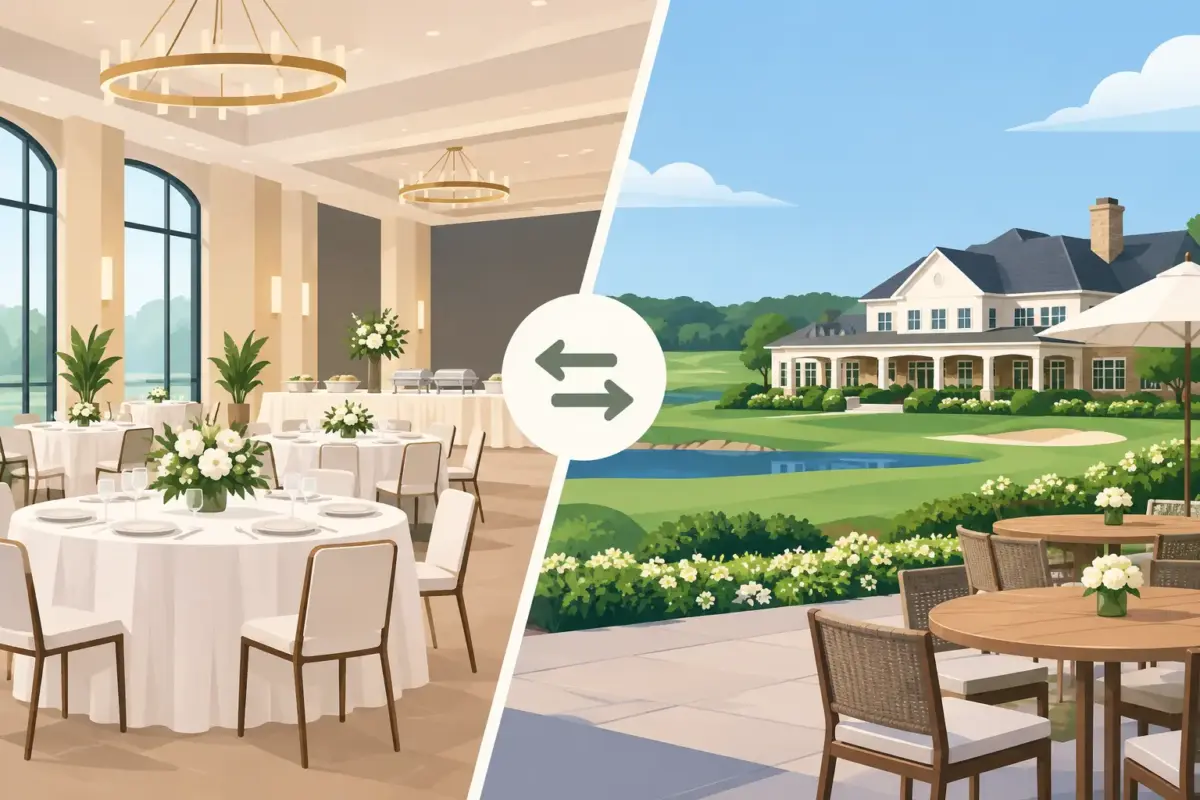
A venue can look beautiful online and still be the wrong fit once you picture your grandparents finding parking, your guests waiting at the bar, or your wedding party trying to move from ceremony to dinner. When weighing a catering hall vs country club, the better choice is not simply the one with the prettier view. It is the one that makes your particular celebration feel welcoming, well-fed, and easy to enjoy.

For Stockton-area couples, families, and organizations, both options can create a memorable event. The real differences often come down to flexibility, pricing structure, food service, guest experience, and how much help you receive from the venue team. Here is a practical way to decide with confidence.

Catering Hall vs Country Club: The Practical Difference

A catering hall is designed first and foremost to host private events. Its spaces, kitchen, staffing, furniture, and planning process are generally built around celebrations such as weddings, quinceañeras, showers, memorials, reunions, and corporate dinners. The focus is on helping a host turn an event into a smooth, complete experience.

A country club is typically centered on membership, golf, and club amenities, with private events as an important additional service. Many country clubs have lovely ballrooms, landscaped grounds, and a polished atmosphere. Some welcome nonmembers for events, while others give members preferred pricing, access, or booking dates.

Neither model is automatically better. A country club may be ideal for a formal wedding with a strong golf connection or for a group that already enjoys the club. A catering hall can be the better fit when you want more choices in room size, an approachable package, or a venue team that regularly manages a wide range of family and community occasions.

Start With the Experience You Want Guests to Have

Before comparing packages, picture the day from your guests’ point of view. Is this an elegant dinner with a dressier feel? A lively quinceañera where the dance floor matters as much as the meal? A celebration of life that needs to feel calm, comfortable, and respectful? The answer should guide the venue more than a label does.

Country clubs often create a refined, scenic setting. Golf-course views, manicured landscaping, and a more traditional club atmosphere can be especially appealing for formal receptions, tournaments, and business functions. That setting may come with house rules on photography locations, ceremony timing, attire, or access to particular areas, so ask early.

Catering halls tend to offer a more event-focused environment. A well-run hall can move naturally from ceremony to cocktail hour to dinner and dancing without asking guests to navigate a large property. For hosts with a mixed-age guest list, easy access, comfortable indoor space, and a clear event flow can matter more than a dramatic backdrop.

Compare the Real Cost, Not Just the Room Rate

A low rental fee does not always mean a lower final bill. The most useful comparison is the full estimated cost for the same guest count, meal style, bar plan, event length, and rental needs. Ask each venue to explain what is included and what may be added later.

A country club package may include certain features that suit a formal event, such as table settings, a bridal suite, or access to designated grounds. On the other hand, there may be food-and-beverage minimums, service charges, membership considerations, or premium fees for popular dates. Those costs are not necessarily a problem, but they should be clear before you commit.

At a catering hall, look closely at the value of bundled service. When space, catering, bar service, tables, chairs, linens, staffing, and coordination are managed by one team, there are fewer moving pieces for the host to price separately. This can be especially helpful for families planning a large celebration while balancing a firm budget.

Also ask about timing. Does the package include setup and cleanup? How early can vendors arrive? Is there an additional charge if the program runs long? A clear answer prevents the kind of surprise that can turn a reasonable quote into a stressful one.

Food and Beverage Can Define the Event

Guests may not remember every centerpiece, but they will remember whether dinner was satisfying and whether service felt attentive. Both catering halls and country clubs can offer excellent food, yet their approaches may be different.

Country club menus may lean toward a traditional banquet experience, with plated entrées, hosted bars, and familiar reception selections. That can work beautifully for a formal dinner. If your group includes guests with vegetarian, gluten-sensitive, cultural, or child-friendly needs, ask how customizable the menu can be and whether special meals affect the price.

A catering hall with an experienced kitchen may offer broader flexibility for the style of gathering you are hosting. A hearty buffet can make a reunion feel relaxed. A plated service can give a wedding reception a more formal rhythm. Passed appetizers, late-night bites, and family-style service each create a different mood. The best venue will talk through your guest list, schedule, and preferences rather than steer every event into the same menu.

Do not forget beverage service. Confirm whether outside alcohol is permitted, whether bartenders are provided, what bar packages include, and how nonalcoholic options are handled. Good hospitality means every guest has something enjoyable to drink, not only those ordering cocktails.

Space, Capacity, and Logistics Matter More Than Photos

A room should fit your guest count comfortably, not merely technically. A space that holds 200 people may feel very different with 200 dinner guests, a DJ, a dance floor, a head table, a photo booth, and a buffet. Ask to see a sample floor plan for an event similar to yours.

For smaller occasions, a large ballroom can feel empty unless it can be divided or arranged thoughtfully. For larger celebrations, a venue with multiple halls may offer useful options for a private ceremony, cocktail reception, kids’ area, or quieter space for older guests. Flexibility is valuable when your plans evolve.

Consider the practical details that guests notice immediately: parking, wheelchair access, restrooms, heating and cooling, sound limits, and the distance from ceremony to reception. If you are bringing decorations, cultural items, slideshows, or a live band, ask what the venue provides and what your vendors will need to supply.

This is also where an event-focused staff can make a major difference. A helpful coordinator does not need to plan every detail for you, but they should know the room, the timeline, and the questions that commonly arise before an event day.

When a Country Club May Be the Right Choice

A country club may be your strongest option if the setting is central to your vision. Perhaps you are hosting a golf tournament followed by dinner, you want sweeping outdoor photos, or your family has an existing relationship with the club. The club atmosphere can add a sense of occasion that fits a formal wedding, donor event, or executive gathering.

It can also be a natural choice when the club’s available date, menu, and room layout align neatly with your needs. Just be sure you are choosing it for the experience it provides, not because the name alone sounds more elevated. A polished event is created by thoughtful service, comfortable guests, good food, and reliable coordination.

When a Catering Hall May Be the Better Fit

A catering hall is often a practical choice when your event needs to work hard in several ways at once. You may need room for 40 guests today but want the confidence that the same venue can host a 250-person reception. You may want a ceremony and dinner in one location, a flexible menu, or a team that welcomes everything from birthdays to business meetings with equal care.

For many hosts, the appeal is simplicity. Rather than coordinating a rental company, caterer, bar provider, and separate event staff, you can work with one experienced venue team. That does not mean giving up personality. It means spending more energy on the people and traditions that matter to you.

At Elkhorn Banquet Facility, three event halls accommodate gatherings from 15 to 325 guests, with food and beverage service, planning support, and options for both formal and relaxed occasions. That kind of range can be especially useful when a celebration has its own vision rather than fitting a standard package.

Questions to Ask Before You Book

During a tour, pay attention to how clearly the team answers questions. Ask what a typical event day looks like from arrival through cleanup, who will be present during your event, and how the venue handles last-minute changes. Request a complete estimate based on your anticipated guest count, then ask which fees could change as plans develop.

You should also discuss menu tastings, vendor policies, decoration rules, deposit and cancellation terms, and accessibility needs. If an outdoor ceremony is part of the plan, ask about the weather backup plan before you fall in love with the view. A dependable venue will welcome these questions because clear expectations lead to better events.

The right venue should leave you feeling supported, not pressured. Choose the place where your guests can gather comfortably, your budget is understood, and your plans feel possible. That is where your vision has room to become a celebration people are genuinely happy to remember.

Categories
Uncategorized

Restaurant Catering vs Banquet Catering: Best Fit?

A plated entrée can arrive hot, look beautiful, and satisfy a room full of guests in either setting. The real difference in restaurant catering vs banquet catering is what happens around the meal: where guests gather, who manages the room, how the timeline flows, and how many details you want one team to handle. For a Stockton wedding, company meeting, quinceañera, memorial, or reunion, that difference can shape the entire experience.

Restaurant Catering vs Banquet Catering: The Core Difference

Restaurant catering is centered on bringing food and beverage service to an event. It may mean a delivery order for an office lunch, buffet service at a home, or a restaurant team catering a celebration at a rented venue. The menu is usually the primary focus, and the host may arrange the location, tables, decorations, rentals, and event schedule separately.

Banquet catering is designed around the full hosted event. Food remains a major part of the occasion, but it is coordinated with a dedicated event space, guest seating, service staff, room setup, bar service, timing, and often the rental items that make a gathering feel complete. It is especially well suited to events where people will be together for several hours rather than simply sharing a meal.

Neither choice is automatically better. A restaurant caterer can provide excellent food and attentive service. A banquet facility can serve restaurant-quality menus while also taking responsibility for the room and the pace of the day. The best fit depends on the kind of event you are hosting and how much coordination you want to manage yourself.

When Restaurant Catering Makes Sense

Restaurant catering is often the practical choice when you already have a location that works well for your guests. Perhaps your company has a meeting room, your family is hosting an informal backyard graduation party, or a nonprofit has secured a community space with all the tables and basics already in place. In those situations, the food may be the one major piece still missing.

It can also be a strong option for shorter, less formal events. A boxed lunch for a training session, a drop-off spread for a casual open house, or a simple buffet at an office can keep planning focused and costs straightforward. When guests are coming and going, elaborate service and a detailed event timeline may not be necessary.

The trade-off is that the host usually has more moving parts to manage. Before booking, ask who will provide serving utensils, chafing dishes, beverage stations, ice, linens, tables, chairs, trash removal, and cleanup. If alcohol is part of the plan, confirm the venue’s rules, permits, and insurance requirements well before invitations go out.

Off-site catering can be wonderfully flexible, but flexibility sometimes means more coordination. A meal that looks affordable at first may require extra rentals, staffing, delivery fees, or setup time once every detail is accounted for.

When Banquet Catering Is the Better Choice

Banquet catering shines when the event itself needs a home. Weddings, receptions, milestone birthdays, celebrations of life, showers, quinceañeras, award dinners, and holiday parties all tend to involve more than serving a meal. Guests need places to mingle, eat, toast, listen to speeches, dance, or take part in a program.

With a banquet setting, the room layout and meal service can be planned together. A team can help determine whether a plated dinner, buffet, family-style meal, or appetizers and stations will support the energy you want. They can also coordinate when food is served around a ceremony, cocktail hour, presentation, cake cutting, or first dance.

This approach is particularly valuable for hosts who do not want to spend their event checking on deliveries or directing vendors. On-site staff can reset tables, serve beverages, keep food moving, and respond when the schedule changes. That support gives the host more time to welcome guests and enjoy the reason everyone came together.

A banquet facility may also offer a more polished solution for business and community events. A meeting can move naturally from a presentation to lunch, then into networking or a reception, without asking attendees to travel to another location. For events with out-of-town guests, older relatives, or a broad mix of ages, keeping the experience in one comfortable place can make a meaningful difference.

Compare the Full Cost, Not Just the Menu Price

The food price per person is an understandable starting point, but it is not the whole budget. Restaurant catering may appear lower because it covers the meal alone. Banquet catering packages may include elements that would otherwise need to be rented or booked separately, such as the room, setup, tables, chairs, linens, glassware, service staff, and cleanup.

Ask each provider for a clear breakdown of what is included and what is optional. Find out whether pricing includes taxes, service charges, delivery, bartenders, cake cutting, room rental, audiovisual needs, and overtime. There is no single package that works for every gathering, but clear information makes it much easier to compare choices fairly.

Guest count matters, too. A small dinner for 20 may be simple to host in a private restaurant space or home. A reception for 150 guests needs a different level of kitchen capacity, service coordination, parking, restrooms, seating, and flow. The larger and more structured the occasion becomes, the more value a full-service banquet team can offer.

Think About Your Guests’ Experience

Food is remembered, but guests also remember whether they could hear the toast, find a seat, get a drink without a long wait, and relax without wondering what happens next. Restaurant catering can create a warm, personal atmosphere in a meaningful location, especially when the gathering is casual and the host has a trusted support team.

Banquet catering offers more control over the complete guest experience. The event can be arranged with accessible seating, a dedicated dance floor, space for a head table, a gift table, dessert display, or audiovisual presentation. Staff members are already familiar with the room, which can prevent the small logistical issues that distract from an otherwise special day.

For culturally significant celebrations, flexibility is especially important. Ask whether the provider can accommodate family traditions, a specific program order, outside dessert, décor, music, or menu preferences. The right partner should listen first and explain what is possible, rather than forcing every event into the same format.

Questions to Ask Before You Book

A good conversation with a caterer or venue should leave you feeling more prepared, not pressured. Start with your guest count, preferred date, budget range, and the type of experience you want guests to have. Then ask how the team handles food service, setup, staffing, beverages, and cleanup.

It is also wise to ask about timing. How early can decorators arrive? When is final guest count due? What happens if the program runs late? Can the menu accommodate vegetarian, gluten-sensitive, or other dietary needs? Clear answers to these practical questions often reveal whether a provider is equipped for the style of event you have in mind.

At Elkhorn Banquet Facility, hosts can pair food and beverage service with flexible event space for gatherings from 15 to 325 guests. That can be a helpful fit when you want restaurant-quality food, an experienced on-site team, and fewer separate vendors to coordinate.

The right choice should make your occasion feel easier to host and more enjoyable to attend. Whether you bring a favorite restaurant to your chosen location or select a banquet setting that supports the entire celebration, choose the team that listens to your plans and helps make room for the moments your guests will remember.