Categories
Uncategorized

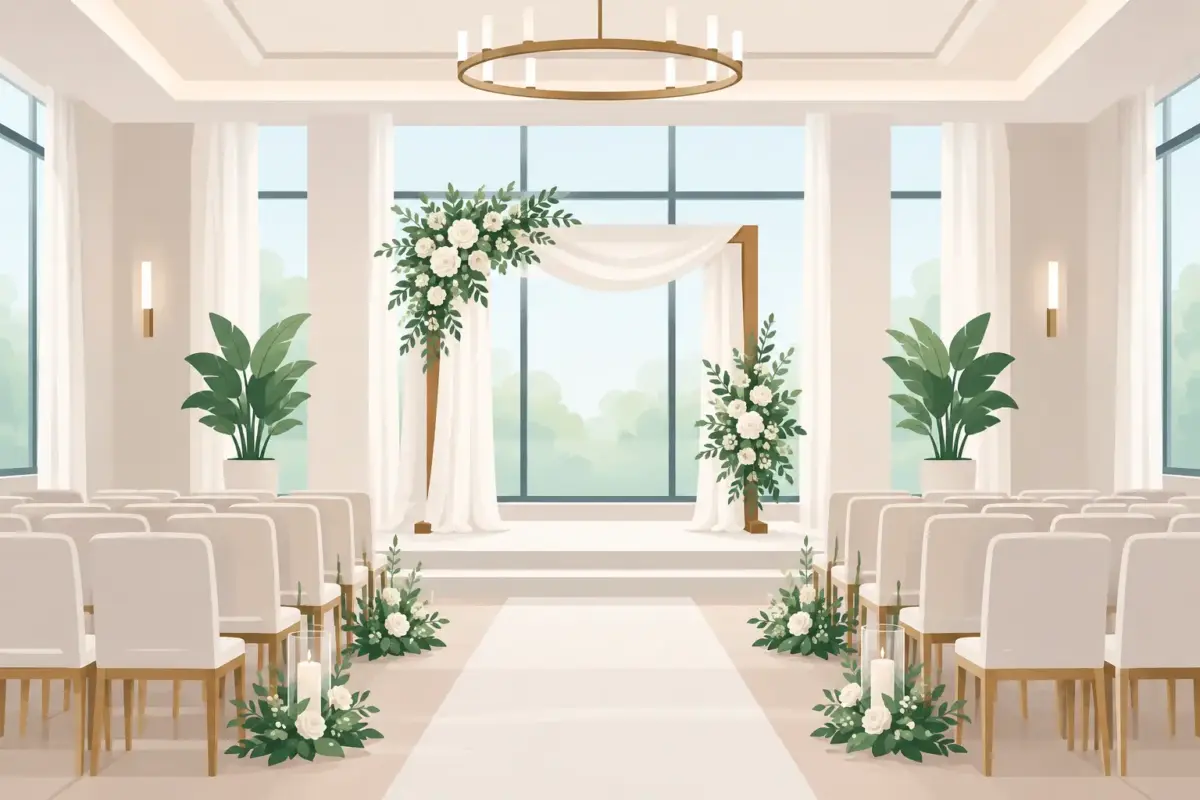
Indoor Ceremony Setup Guide for a Beautiful Event

A ceremony can feel deeply personal even when the weather is not part of the plan. The right indoor ceremony setup guide starts with one simple goal: create a space where every guest can see, hear, and share in the moment without feeling crowded, confused, or removed from the couple, family, or guest of honor.

Indoor ceremonies offer more control than outdoor events, but that control calls for thoughtful choices. Room dimensions, ceiling height, lighting, furniture, sound, and the transition into the reception all shape how the occasion feels. Whether you are planning a wedding, quinceañera, baptism, memorial, or celebration of life, a well-prepared room lets the meaning of the day take center stage.

Start With the Guest Experience

Before choosing flowers or chair covers, picture the room from your guests’ perspective. Where will they enter? Where will they leave coats, gifts, or cards? Can an older relative reach their seat easily? Will a parent with a young child have room to step out quietly if needed?

A comfortable ceremony begins with a clear path from the entrance to the seating area. Avoid asking guests to weave around décor, service stations, or equipment. Keep the main aisle open and wide enough for the processional, photographers, and anyone using a wheelchair or mobility aid. If the event includes a grand entrance, a large dress, a court, or family escorts, allow more aisle width than you think you will need.

Seating capacity is not the same as comfortable capacity. A room may fit a certain number of chairs, but guests also need space to settle in, turn toward the ceremony, and move safely at the end. For intimate gatherings, fewer chairs with a little breathing room often feel more polished than a tightly packed layout. For larger groups, use clean rows and consider a center aisle with side seating only when the room is wide enough to preserve sightlines.

Choose a Ceremony Layout That Fits the Moment

The traditional straight-row layout remains popular for a reason. It makes the focal point obvious, creates a natural aisle, and works well for both formal and relaxed events. It is especially effective when the ceremony includes readings, a formal processional, or several people standing at the front.

That said, the best layout depends on the room and the tone you want to create. A semicircle or curved seating arrangement can make a smaller ceremony feel close and welcoming. A wide U-shape gives guests a better view of the central moment, though it requires more floor space. A diagonal ceremony setup can be useful in a rectangular hall when the room’s doors, windows, or architectural features make a straight layout less practical.

Think carefully about what guests will see behind the ceremony. A simple backdrop, draping, floral arrangement, arch, or carefully positioned wall can frame the occasion. It does not need to be elaborate. In fact, a busy backdrop can compete with the people guests came to celebrate. Choose one visual focal point and let it do its job.

Plan the front of the room

The ceremony area needs enough depth for the people taking part. For a wedding, account for the couple, officiant, wedding party, musicians, and any children in the processional. For a quinceañera, allow space for the honoree, family, court, and special traditions. For a memorial, make room for a podium, framed photos, flowers, or a memory table without blocking the speaker.

If you are using an elevated platform, confirm that it is stable, appropriately sized, and accessible. A platform helps guests in the back see, but it is not always necessary. In a smaller hall, a well-designed seating plan and good lighting can be more inviting than a raised stage.

Make Sound a Priority, Not an Afterthought

Guests remember the vows, stories, blessings, and tributes. They cannot remember what they cannot hear.

Indoor rooms can carry sound beautifully, but hard floors, high ceilings, and large windows may also create echoes. Ask early about the venue’s sound system, available microphones, speaker placement, and who will manage the equipment. A handheld microphone may work for a welcome or reading, while lapel microphones can be a better choice for an officiant or speaker who needs both hands free.

Music deserves the same attention. Decide when it will begin, who will cue it, and where musicians or speakers will stand. A playlist is convenient, but assign one reliable person to handle transitions and volume. The person getting married, honoring a loved one, or celebrating a milestone should not be searching for a phone moments before the processional.

Always schedule a sound check with the people who will speak. A microphone may be perfectly adjusted for one person and too quiet for another. This small rehearsal step can prevent one of the most common ceremony frustrations.

Use Lighting to Set the Tone

Lighting changes the character of an indoor space more quickly than almost any décor choice. Bright, even lighting is helpful as guests arrive, read programs, and find their seats. Once the ceremony begins, softer lighting can create warmth and direct attention toward the front of the room.

Natural light can be beautiful, especially for daytime events, but it can also shift throughout the ceremony. If sunlight comes through windows behind the ceremony area, it may leave faces in shadow or make photography more difficult. Test the room at the same time of day as your event whenever possible.

Candles, string lights, uplighting, and lanterns can add atmosphere, but they should support the ceremony rather than create hazards or visual clutter. Many venues have specific safety rules for open flames, cords, and hanging décor. Battery-operated candles are a practical alternative when you want a warm glow without added concerns.

Keep Décor Meaningful and Manageable

Indoor décor works best when it complements the room instead of trying to transform every surface. Start with the aisle, ceremony focal point, and welcome area. These are the spaces guests notice most, and they are the places where thoughtful details have the greatest impact.

Aisle markers, reserved-seat signs, floral arrangements, and a welcome sign can establish the style without overwhelming the layout. If you are including cultural or family traditions, give those items a clear place of honor. A baptismal candle, memorial display, family photos, or ceremonial accessories should be visible and easy to access when needed.

Be realistic about setup time. Large installations, rental furniture, draping, and extensive florals may require early access and professional installation. Ask who is responsible for delivery, placement, cleanup, and removal. A beautiful design should not leave family members working through the ceremony start time.

Plan the Transition Before Guests Arrive

The ceremony ending is also the start of your next event moment. Guests may move into a cocktail hour, reception, meal, or gathering space. They need to know where to go without being directed one by one.

Use simple cues: open doors, visible staff, a welcome sign for the next space, or music that shifts the energy. If the ceremony and reception take place in the same room, determine where guests will gather while tables are reset. This is especially important for larger events, where a fast room flip requires coordination among venue staff, caterers, decorators, and entertainment.

At Elkhorn Banquet Facility, planning support and flexible event spaces can make that transition easier, whether you are hosting a small family ceremony or a larger celebration with dinner to follow. Share your ceremony timeline early so the event team can help anticipate furniture placement, service timing, and guest flow.

Give Your Setup a Final Walk-Through

The day before, or early on the event day, walk the room in the same direction your guests will. Sit in a front row, middle row, and back row. Stand where speakers will stand. Listen for echoes, look for blocked views, and notice whether the aisle is clear.

Confirm the essentials: reserved seating is labeled, microphones are tested, programs are placed, accessibility needs are covered, and the person managing music knows the cues. Then step back and protect a few quiet minutes before guests arrive. The best indoor ceremony setup does not call attention to its logistics. It gives everyone the comfort and confidence to be fully present for the occasion.


Categories
Uncategorized

How to Host a Birthday Dinner Party With Ease

A birthday dinner should feel like the guest of honor’s favorite kind of evening: good food, familiar faces, plenty of time to talk, and no one worrying about whether there are enough chairs. When you host a birthday dinner party, the best plans are rarely the most complicated. They are the ones that make guests feel comfortable from the moment they arrive and allow the host to enjoy the celebration, too.

Whether you are planning a small family dinner, a milestone birthday with coworkers and friends, or a multigenerational gathering, a little thoughtful preparation can turn a meal into a memory worth repeating.

Start With the Kind of Celebration You Want

Before choosing a date, menu, or decorations, decide what the evening should feel like. A 30th birthday dinner may call for cocktails, a lively room, and a later start. An 80th birthday may be more meaningful as an early dinner with easy parking, comfortable seating, and room for relatives to reconnect. A child’s birthday dinner might need a flexible schedule, familiar food, and a space where younger guests can move around without disrupting the meal.

Guest count matters, but the mix of guests matters just as much. Think about ages, mobility needs, dietary preferences, and how well people know one another. A dinner for 15 close friends has a different rhythm than a party for 100 relatives, neighbors, and colleagues.

Once you know the atmosphere you are creating, the practical decisions become much easier. Your venue, seating plan, food service, music, and timing should all support that feeling rather than compete with it.

Choose a Date and Time That Works for the Guest of Honor

The actual birthday is not always the best date for the party. Weekend availability, work schedules, family travel, and school activities can all affect turnout. If the celebration is for someone who would rather have a full room than a party held on the exact date, choose the time that lets their important people attend.

Dinner timing deserves the same attention. A 5:30 or 6:00 p.m. start works well for family gatherings and guests with young children. A 7:00 p.m. dinner can suit an adult celebration that includes a bar service, dancing, or a longer evening. For larger groups, plan enough time for arrival, greetings, dinner service, cake, and a few unhurried words from family or friends.

Send invitations with the essentials: date, start time, location, attire if applicable, and a clear RSVP deadline. If you are serving a seated meal, timely responses help you plan table counts and food quantities accurately.

Pick a Setting That Takes Work Off Your Plate

Hosting at home can be personal and budget-friendly, especially for a small group. It also means managing cooking, serving, cleanup, parking, seating, and the inevitable last-minute question of where to put extra coats. For some hosts, that work is part of the fun. For others, it keeps them from being present for the celebration.

A full-service event space can be a better fit when the group is larger, the occasion is a milestone, or you simply want to sit down and enjoy dinner with everyone else. Look for a place with the right room size, clear food and beverage options, accessible facilities, and staff who can explain what is included without making the process confusing.

The right room should not feel empty once guests are seated, but it should leave enough breathing room for mingling, buffet lines, gifts, photos, or a dance floor if you want one. A venue with flexible spaces is especially helpful when your guest count is still settling. At Elkhorn Banquet Facility, celebrations can be arranged for groups ranging from intimate dinners to larger gatherings, with on-site food, beverage service, and experienced event support in one Stockton location.

Build the Menu Around Comfort and Conversation

Birthday dinner food does not need to be trendy to be memorable. Guests generally remember whether the meal was satisfying, served at a comfortable pace, and suited to the occasion. Start with the guest of honor’s preferences, then make sure there is enough variety for the people they love.

For a formal seated dinner, a choice of entrée can make guests feel considered, particularly when vegetarian or dietary needs are involved. For relaxed family celebrations, a buffet often encourages guests to visit, talk, and choose portions that work for them. Family-style service can feel especially warm for a smaller group, though it requires sufficient table space and attentive replenishment.

A balanced menu usually includes a familiar main dish, a vegetarian option when needed, sides that appeal across generations, and a dessert plan. If the birthday cake is the centerpiece, keep dinner straightforward and let the cake have its moment. If dessert is not a priority, a plated sweet or a dessert station can keep the event feeling complete without adding another item for you to coordinate.

Do not overlook beverages. Water, coffee, tea, and nonalcoholic choices should be easy to access. If alcohol will be served, decide early whether you prefer hosted drinks, a limited selection, drink tickets, or a cash bar. The best choice depends on your budget and guest list, but setting expectations beforehand prevents awkwardness later.

Make the Room Feel Personal, Not Overdone

The most effective birthday decor tells guests who is being celebrated. A few framed photos, a meaningful color palette, a favorite flower, or table cards with memories can say more than a room filled with decorations. For a milestone birthday, consider a photo display that spans childhood, family life, hobbies, and friendships. It gives guests an easy conversation starter while honoring the person at the center of the evening.

Keep the table plan practical. Guests should be able to see and hear one another, and older family members should not be placed beside speakers or in a high-traffic area. Round tables often support conversation well, while long tables can create a more intimate shared-dinner feel. Neither is automatically better – it depends on the space and the personality of the group.

If you are adding music, choose volume over novelty. Background music should add warmth without forcing people to talk over it. Save a special song for cake cutting, a toast, or the guest of honor’s entrance if it fits the celebration.

Plan a Simple Flow for the Evening

A dinner party does not need a packed agenda. In fact, too many activities can make a birthday feel more like a production than a gathering. Still, a loose timeline helps everyone know what happens next and keeps cake from arriving after half the guests have left.

Allow time for guests to arrive and mingle before dinner begins. Once everyone is seated, a welcome from the host can be brief and heartfelt. Dinner follows, then a toast or a few shared stories if the guest of honor enjoys being in the spotlight. Bring out the cake while energy is still high, and leave room afterward for coffee, photos, and unplanned conversation.

For a larger group, identify one dependable person who can help gather guests for the toast, coordinate gifts, or make sure family photos happen. That person does not need to run the event. Their job is simply to make small transitions feel easy.

Keep the Budget Focused on What Guests Will Feel

It is easy to spend heavily on details that disappear into the background. Instead, prioritize the parts of the evening guests will experience directly: a comfortable setting, enough food, welcoming service, and time with the guest of honor. A smaller floral arrangement, simpler invitation, or shorter entertainment window can free up money for a better meal or a more convenient venue.

Ask for clear pricing before committing. Understand what is included in the room rental, service charges, tables and linens, bar service, cake cutting, setup, and cleanup. Affordable hosting is not only about choosing the lowest initial price. It is about avoiding surprise costs and knowing which responsibilities will be handled for you.

Give Yourself Permission to Celebrate Too

The host sets the tone. If you are rushing between the kitchen, the guest book, and the parking lot all evening, guests will notice. If you are relaxed, welcoming people, sharing a meal, and laughing at the stories, the room will follow your lead.

A thoughtful birthday dinner is not measured by perfectly matched centerpieces or an elaborate schedule. It is measured by the moment the guest of honor looks around the table and sees the people who showed up for them. Plan the details that make that moment easy, then take your own seat and enjoy it.

Categories
Uncategorized

Golf Scramble Versus Shotgun Start Explained

A golf tournament can have a terrific cause, a full guest list, and great prizes, yet still feel disorganized if participants do not understand how play will begin or how scores will be counted. That is why the question of golf scramble versus shotgun start comes up so often. The key is simple: these are not competing tournament formats. A scramble determines how teams play each hole, while a shotgun start determines where and when groups begin their rounds.

For a charity fundraiser, company outing, alumni event, or friendly community tournament, using both can create an enjoyable day that feels organized from check-in through the post-round meal. Knowing the difference also makes it easier to explain the event clearly to sponsors, volunteers, and golfers of every skill level.

Golf Scramble Versus Shotgun Start: The Core Difference

A scramble is a scoring format. Each player on a team hits a shot, the team chooses the best result, and everyone plays their next shot from that selected location. The process continues until the ball is in the hole. Because every player gets to contribute and teams avoid the frustration of repeatedly playing from difficult lies, scrambles are especially popular for mixed-skill groups.

A shotgun start is a scheduling and course-management method. Instead of every group beginning on the first tee in intervals, teams are assigned to different holes around the course. At the designated start time, all teams begin at once. A group assigned to Hole 7 starts on Hole 7, for example, then continues through the course in order until its round is complete.

In other words, a tournament can be a scramble with a shotgun start. It can also use a different scoring format, such as a best ball or individual stroke-play competition, and still begin with a shotgun start. One answers, “How do we play?” The other answers, “How do we start?”

What Makes a Golf Scramble a Strong Event Format?

A scramble removes much of the pressure that can make a golf event intimidating for beginners. A newer golfer may hit one excellent drive, make a useful putt, or provide the team’s best shot from a bunker. Experienced players still have opportunities to shine, but the format keeps the day social rather than overly serious.

This is particularly helpful for corporate and nonprofit events. Colleagues, clients, donors, and friends often join a tournament for the connection as much as the competition. If every participant has to post an individual score, a round can move slowly and leave less confident golfers feeling left behind. In a scramble, the team keeps moving together.

Scrambles also create room for popular tournament extras. A hole-in-one contest, longest-drive challenge, closest-to-the-pin prize, mulligans, and putting games can all fit naturally into the day. These additions can increase fundraising support and give non-golfers who attend the reception a reason to follow the results.

There is one trade-off: a scramble requires clear rules. Organizers should decide before play whether teams must use a minimum number of drives from each player, how closely players may place their ball to the selected shot, and how ties will be handled. Consistency matters more than complexity. A brief rules sheet at registration and a clear announcement before play can prevent confusion later.

Who Benefits Most From a Scramble?

A scramble is usually the right choice when the field includes a wide range of abilities, the event is focused on fundraising or relationship-building, or the schedule needs to stay on track. It is also a welcoming option for players who golf only occasionally.

For a highly competitive club event, organizers may prefer a format that places more weight on individual performance. But for most business and community tournaments, a scramble is a practical way to make the course feel approachable without taking the fun out of competition.

Why Choose a Shotgun Start?

The biggest advantage of a shotgun start is timing. When every group begins simultaneously, the entire field finishes within a relatively close window. That makes planning the meal, awards presentation, raffle, and evening program much easier.

Imagine trying to schedule a banquet when the first groups have finished but the final tee times are still several hours from completing their rounds. Guests may be waiting, food service may be delayed, and the energy of the event can fade. A shotgun start brings everyone back to the clubhouse at roughly the same time, which helps the day flow naturally from golf to celebration.

It also makes the event feel shared. Teams begin on different parts of the course, but they know the entire tournament is underway together. For an organization hosting sponsors or employees, that sense of occasion can add to the experience.

A shotgun start does take more coordination before the first ball is hit. Groups must receive their starting-hole assignments, carts must be directed efficiently, and participants need enough time to reach their designated holes. Tournament staff should plan a check-in window, provide clear course guidance, and make sure golfers understand the start signal.

When a Shotgun Start May Not Be Ideal

A shotgun start works best when there is a substantial field and a course schedule that can support it. For a small outing with only a few foursomes, traditional tee times may be simpler and may give groups more flexibility in arrival times.

Course conditions and the time of year also matter. A morning shotgun start is often ideal when an event includes lunch and awards afterward. An afternoon start can lead into dinner or a reception, but organizers should consider daylight, pace of play, and the needs of guests who are not golfing.

Using a Scramble and Shotgun Start Together

For many organized golf events, pairing these two approaches offers the best balance of hospitality and efficiency. Teams can enjoy the relaxed, collaborative nature of a scramble while a shotgun start gives the host a predictable schedule for the rest of the program.

A typical event might open with registration, breakfast or refreshments, and time for guests to visit sponsor tables. After a rules briefing, participants head to their assigned holes for the shotgun start. Once play ends, everyone returns for cocktails, a buffet or plated meal, raffle drawings, and awards. The structure feels polished, but the day still has room for conversation and celebration.

At Elkhorn Banquet Facility, golf-event coordination can be paired with the convenience of gathering spaces and food and beverage service in one Stockton setting. That can mean fewer moving pieces for the event host and a more comfortable experience for guests transitioning from the course to the banquet room.

Planning Details That Keep Play Moving

The format alone will not guarantee a smooth tournament. Good communication is what turns a plan into an enjoyable guest experience. Send participants the schedule before event day, including check-in time, dress expectations, parking information, starting assignments, and when the post-golf program begins.

On the course, use a simple scorecard and make the scramble rules easy to find. If the event has contests or sponsored holes, tell golfers where they are located and who will record results. Set a reasonable maximum score per hole if the tournament includes many newer golfers. This protects pace of play and helps every team finish close to the planned time.

For the reception, give some thought to the gap between golf and dinner. A hosted beverage, appetizer station, or casual gathering area gives players time to relax while final scores are verified. It also allows non-golfing guests to arrive for the celebration without feeling like an afterthought.

Choose the Format Around Your Guests

The best decision depends on the purpose of the event. A competitive group may want more formal scoring rules. A company team-building outing may value a relaxed scramble that allows everyone to contribute. A fundraiser with dinner, auctions, and awards will often benefit from the predictable timing of a shotgun start.

Rather than treating golf scramble versus shotgun start as an either-or choice, plan each piece around the experience you want guests to have. When the scoring is welcoming, the schedule is clear, and the gathering afterward feels worth staying for, your tournament becomes more than a day on the course. It becomes an occasion people will look forward to supporting again.

Categories
Uncategorized

15 Best Corporate Luncheon Ideas for Teams

A lunch hour can do more for a team than another email reminder ever will. The best corporate luncheon ideas give people a reason to step away from their desks, share a satisfying meal, recognize good work, and reconnect with the people behind the job titles. Whether you are hosting 15 colleagues or bringing together a company-wide group, the right format makes the gathering feel purposeful without becoming another meeting.

Start With the Reason for the Lunch

Before choosing centerpieces or a menu, decide what you want guests to take away. A client appreciation luncheon calls for a polished, comfortable setting and time for conversation. An employee recognition lunch may need a brief program, awards, and room for photos. A department planning session benefits from reliable service, clear seating, and enough time to work without rushing through the meal.

This decision affects every practical detail: guest count, room layout, food service, timing, and budget. It also helps avoid a common mistake: trying to make one luncheon serve five different purposes. A focused event feels more welcoming and is easier for guests to enjoy.

For Stockton organizations, a full-service venue can simplify the process. Having meeting space, catering, beverages, tables, staff, and coordination in one place means the organizer spends less time managing vendors and more time hosting their people.

Best Corporate Luncheon Ideas for Every Occasion

1. Employee Recognition Lunch

A recognition luncheon works especially well after a busy season, a major project, or a company milestone. Set aside time to acknowledge anniversaries, team achievements, or people who consistently support others behind the scenes. Keep remarks brief and sincere. A thoughtful certificate, small gift, or public thank-you often carries more weight than a lengthy presentation.

A plated lunch creates a more formal feel, while a buffet gives guests freedom to visit and mingle. If the group is large, reserve a central area for presentations so every guest can see and hear comfortably.

2. Client Appreciation Luncheon

Client events should feel gracious, not overly scripted. Invite guests for a quality meal, a short welcome, and enough unstructured time to build relationships. This is a good choice for businesses that want to thank long-term customers, introduce a new service, or gather referral partners in one room.

Choose an approachable menu with options for different preferences, including vegetarian or lighter selections when possible. Assigned seating can be helpful if you want clients to meet specific team members, but a more relaxed arrangement may suit an established group that already knows one another.

3. Team-Building Lunch With a Purpose

Not every team-building activity needs to involve a ropes course or an awkward icebreaker. A luncheon can include a short trivia round, table challenge, collaborative problem-solving activity, or friendly awards vote. The key is to keep the activity optional in spirit, easy to understand, and appropriate for the mix of personalities in the room.

For a casual team, a golf putting challenge or outdoor social time can add energy before or after lunch. For a more reserved office, try conversation cards at each table or a light quiz about company history and shared accomplishments. Build in a clear ending time so guests can return to work with their afternoon intact.

4. Lunch-and-Learn Session

A lunch-and-learn pairs a meal with practical education. Bring in a local speaker, internal leader, benefits provider, or industry expert to cover a topic your staff can use. Financial wellness, customer service, workplace communication, safety, and leadership are all strong choices when tied to real workplace needs.

The trade-off is attention span. If lunch is served during the presentation, the program should be concise and easy to follow. A 20- to 30-minute talk followed by questions generally feels more respectful of a midday schedule than a long lecture.

5. New Hire Welcome Luncheon

A welcome lunch helps new employees feel known before they are expected to contribute at full speed. Invite leaders, department partners, and a few friendly peers rather than trying to include every employee. A smaller table often makes conversation easier and gives new hires a chance to ask genuine questions.

Use the time to share stories about the company, explain traditions, and introduce the people they will work with most often. Skip the heavy policy review. New employees can read a handbook later; they cannot recreate the first impression of a warm welcome.

6. Milestone and Retirement Celebration

Work anniversaries, promotions, retirements, and major company anniversaries deserve more than cake in the break room. A luncheon offers a natural setting for guests to share memories, celebrate contributions, and take photos with colleagues and family members.

For a retirement event, consider inviting the honoree to choose a few favorite menu items or music selections. Personal touches matter, but they do not need to be expensive. A slideshow, memory book, or short round of remarks from coworkers can make the occasion feel truly personal.

7. Nonprofit or Community Partner Luncheon

Businesses, charities, and community organizations often need a setting that feels professional while remaining approachable. A luncheon can support a donor thank-you, volunteer appreciation program, board gathering, or partnership announcement. It is also an opportunity to connect local leaders who may not otherwise meet.

Keep the program tied to people and outcomes. Guests respond well to a brief story, a clear purpose, and a chance to talk with the people doing the work. If fundraising is part of the event, make the ask direct but never let it overshadow hospitality.

8. Quarterly Planning Luncheon

A change of scenery can make a planning session more productive. Gather managers or a department for lunch before discussing goals, priorities, and upcoming challenges. Serving the meal first gives people time to settle in and creates a more collaborative tone for the work ahead.

This format needs a room arrangement that supports note-taking and conversation. Round tables are ideal for discussion; classroom or conference-style seating may be better when presentations are the main focus. Ask in advance about screens, microphones, Wi-Fi, and other meeting needs.

Make the Food Part of the Welcome

Food is one of the first things guests remember, particularly when lunch falls in the middle of a demanding workday. The best choice depends on the tone of the event, the schedule, and the group size. A plated meal feels polished and helps keep the program on time. A buffet offers variety and works well for social occasions, though it requires a little more time for guests to move through the line.

For a shorter event, consider a luncheon menu that is satisfying without being overly heavy. Fresh salads, chicken or pasta entrees, seasonal vegetables, sandwiches, and a simple dessert can suit a broad range of guests. Be sure to collect dietary needs early. Guests should not have to explain a restriction at the serving table or wonder whether there will be something they can enjoy.

Beverage planning matters, too. Coffee, tea, water, and soft drinks are often all a business luncheon needs. If alcohol is appropriate for a client or celebration event, offer it thoughtfully and make sure the timing and company culture support the choice.

Plan the Details That Keep Lunch Moving

A corporate luncheon feels effortless when the schedule has been considered carefully. For most weekday events, allow 90 minutes to two hours. That gives guests time to arrive, eat, participate in a short program, and return to their day without feeling pressed.

Send invitations two to three weeks ahead when possible, especially if guests need to travel between locations. Include the start and end time, parking details, dress expectations, and whether the event includes a presentation or activity. A clear invitation reduces last-minute questions and improves attendance.

Room size deserves just as much attention as the menu. A crowded room can make a small gathering feel uncomfortable, while an oversized hall can make a modest guest list seem sparse. At Elkhorn Banquet Facility, flexible event halls can accommodate everything from a close-knit leadership lunch to a larger company celebration, with the benefit of professional staff close at hand.

Create a Luncheon People Will Talk About for the Right Reasons

The most memorable corporate lunches are not necessarily the most elaborate. They are well-timed, well-fed, and designed with guests in mind. A sincere welcome, a comfortable setting, and a reason to gather can turn an ordinary Tuesday into a moment that strengthens relationships at work.

Choose one clear purpose, give your guests a meal worth looking forward to, and leave enough room for real conversation. That is how a corporate luncheon becomes time well spent.

Categories
Uncategorized

Event Hall Reviews: What Guests Notice Most

A beautiful room can make a strong first impression, but the most useful event hall reviews tell you what happens after the doors open. Did the staff keep the celebration moving? Was dinner served on time? Did the room feel comfortable for the guest count? Those details can help you choose a venue with confidence, whether you are planning a wedding reception, quinceañera, company meeting, memorial, or family reunion in Stockton.

Reviews are personal by nature, so one comment should never make the decision for you. The goal is to look for consistent patterns. When several hosts mention attentive service, satisfying food, clear communication, and a smooth event day, you are seeing the qualities that matter long after the decorations come down.

How to Read Event Hall Reviews Carefully

Start by considering the type of event the reviewer hosted. A couple planning a 200-person wedding may have different priorities than someone reserving a room for a 30-person baby shower. A business organizer may focus on parking, presentation equipment, and meeting flow, while a family hosting a celebration of life may value privacy, kindness, and help with a short planning timeline.

Look for reviews from events that resemble yours in size, style, and purpose. That does not mean a venue must host only one kind of gathering to be a good fit. In fact, a facility with flexible rooms and experienced staff can be a strong choice for many occasions. It does mean you should pay attention to whether the venue describes how it adapts the space, menu, service, and timeline to each event.

Also consider when the review was written. Recent feedback gives you the clearest picture of current staff, food service, facility condition, and planning practices. Older reviews can still show a venue’s long-term reputation, especially when the same strengths appear repeatedly over time.

Read Beyond the Star Rating

A five-star rating is encouraging, but the written details are where the real value is. Comments such as “the coordinator answered every question,” “the food was hot,” or “our guests felt welcome” say far more than a number alone. Specific feedback often reflects an actual guest experience rather than a quick reaction.

Likewise, do not automatically dismiss a venue because of one lower rating. Read the concern, then look for the venue’s response and for related comments from other guests. Was the issue a misunderstanding about a policy, an unusual circumstance, or a pattern involving communication or service? A professional, respectful response can demonstrate accountability, but it should not replace clear answers when you speak with the venue yourself.

The Details That Matter Most in Event Hall Reviews

The strongest reviews usually touch on the practical elements that hosts worry about most. These are the areas worth tracking as you compare venues.

Staff Communication and Planning Support

For many hosts, planning feels easier when one responsive team can help with the room, food and beverage service, rental items, and event-day coordination. Reviewers often remember whether calls and emails were returned promptly, whether package information was easy to understand, and whether the staff explained what was included.

Pay close attention to comments about flexibility. A helpful venue team does not promise every request is possible, but it does explain options honestly. Maybe a reception layout needs to change for a larger dance floor, a menu needs adjustments for dietary needs, or a meeting schedule requires a different service time. The best planning support comes from people who listen, offer workable solutions, and communicate the trade-offs clearly.

Ask a prospective venue who will be your main contact, how far in advance final details are due, and who will be present during the event. Those answers can give context to the reviews you read.

Food, Beverage, and Service Timing

Food has a way of becoming part of the story guests tell afterward. Positive reviews may mention generous portions, fresh presentation, a menu that pleased a wide range of guests, or a bar team that was friendly and efficient. Those details are especially useful when food and beverage are provided through the venue rather than by a separate caterer.

Keep an eye out for comments about timing as well. A delicious meal served too late can affect the whole evening. Reviews that praise organized buffet lines, timely plated service, and staff who kept drinks, coffee, or water available point to a team that understands hospitality.

If catering is a priority, ask to review menu choices, service styles, bar options, and any minimums or outside-food policies. A tasting or meal at the venue’s restaurant can also help you make a more personal decision than reviews alone can provide.

Space, Comfort, and Guest Experience

Photos can show décor possibilities, but reviews often reveal how a room feels when it is full. Guests may mention whether there was enough space to mingle, dance, dine, and move comfortably between tables. They may also note temperature, lighting, accessibility, restrooms, parking, and the overall cleanliness of the facility.

Capacity deserves careful attention. A hall that holds 325 guests may be ideal for a large reception, while a smaller room can feel more inviting for an intimate dinner or shower. Ask the venue to show you layouts for an event near your guest count, not just its maximum capacity. Your vision may call for a stage, gift table, photo area, sweetheart table, head table, dance floor, buffet, or meeting setup, and every one of those choices affects the room.

For outdoor ceremonies or golf-related events, ask how the venue handles weather, transportation between spaces, and backup plans. Reviews can offer helpful clues, but a direct conversation is the best way to confirm the details for your date.

Value and Clear Expectations

Affordable does not simply mean the lowest rental number. Real value comes from understanding what your investment includes and what you would otherwise need to arrange separately. Tables, chairs, linens, staffing, catering, bar service, set-up, clean-up, and coordination can all affect the final cost and the amount of work required of the host.

Event hall reviews often use words like “worth it” or “reasonable,” but those terms mean different things to different people. Look for comments that explain why guests felt they received value. Did the venue help them avoid multiple vendors? Did the team make a last-minute change manageable? Did the package fit the event without unexpected additions?

During your tour, request a clear proposal that identifies included services, optional extras, payment milestones, service charges, and policies. A venue that provides straightforward information makes it easier to compare choices fairly.

Questions Reviews Cannot Answer for You

Even excellent reviews cannot tell you whether a venue feels right for your event. Visit at a time when you can picture guests arriving. Notice the welcome you receive, the condition of the rooms, and whether the team asks thoughtful questions about your plans.

You will also need to confirm availability, which may be the deciding factor for a popular season or a short planning timeline. Bring an estimated guest count, preferred dates, budget range, and a few must-haves to your first conversation. If you are organizing a wedding, quinceañera, reunion, nonprofit banquet, or tournament, share the parts of the day that matter most to you.

At Elkhorn Banquet Facility, hosts can choose from three event halls within a 22,000-square-foot clubhouse, with options for gatherings of 15 to 325 guests. That range can be helpful when your celebration needs room to grow, or when you want a more comfortable setting for a smaller group. Still, the right room is the one that supports your guest experience, menu, schedule, and budget.

Use Reviews as a Starting Point, Not the Finish Line

The best event hall reviews give you a shortlist of places worth visiting. They can point you toward a venue known for friendly service, well-prepared food, flexible space, and dependable execution. Then your tour and conversation should confirm whether that team understands your vision and can explain how it will come together.

A memorable event is rarely about one perfect detail. It is the feeling guests carry home: that they were welcomed, well fed, comfortable, and part of something meaningful. Choose the venue that makes you feel supported in creating that experience.

Categories
Uncategorized

Corporate Banquet Planning Checklist That Works

A corporate banquet is often judged before the first entrée reaches the table. Guests notice whether parking feels clear, check-in moves quickly, the room fits the crowd, and the program starts when promised. A thoughtful corporate banquet planning checklist helps your team handle those details early, so the event feels welcoming rather than rushed.

Whether you are recognizing employees, hosting clients, fundraising for a local cause, or gathering a department after a long season, the best banquet plans balance polish with practicality. The goal is not to add more moving parts. It is to make smart decisions in the right order.

Start With the Purpose, Budget, and Guest List

Before comparing menus or selecting centerpieces, decide what the banquet needs to accomplish. An annual awards dinner has different needs than a client appreciation event, leadership meeting, holiday party, or nonprofit fundraiser. Your purpose affects the schedule, food style, room layout, entertainment, and the tone of every guest communication.

Write a short event brief that answers a few essential questions: Who is attending? What should they feel when they leave? What does success look like? For one company, success may mean celebrating a milestone and strengthening morale. For another, it may be filling sponsor tables and raising funds. A clear answer keeps decisions from drifting into personal preference alone.

Set a working budget before you make commitments. Include the obvious expenses, such as room rental, catering, beverages, taxes, gratuity, décor, entertainment, photography, and awards. Also leave room for overlooked items: printed materials, name badges, audiovisual equipment, transportation, security, raffle supplies, and last-minute guest additions.

Guest count is the budget variable that changes most often. Begin with a realistic estimate, then set an RSVP deadline and a date when your final meal count is due. It is wise to plan for a small number of unexpected attendees, but ordering far beyond your expected attendance can create unnecessary food and beverage costs.

Corporate Banquet Planning Checklist: 8 to 12 Weeks Out

The earliest stage is where you secure the pieces that are hardest to replace. Popular dates, private rooms, entertainers, and key speakers can book quickly, especially around the holidays and spring fundraising season.

Use this portion of your corporate banquet planning checklist to confirm the foundation:

  • Choose a date, preferred time, and one backup date that works for leadership and key guests.
  • Reserve a venue that fits both your expected attendance and the experience you want to create.
  • Confirm your budget range, payment schedule, cancellation terms, and final-guarantee deadline.
  • Select an event format, such as plated dinner, buffet, reception, luncheon, breakfast meeting, or awards program.
  • Assign one decision-maker and one day-of contact who can approve changes without delays.
  • Build a guest list, identify VIPs, and decide whether guests may bring a plus-one.
  • Choose a theme or level of formality that is appropriate for your organization and audience.

Capacity matters, but it is not the only venue question. Ask how the room will feel once tables, a stage, buffet stations, registration, a dance floor, or sponsor displays are included. A room that holds 200 guests for a meeting may feel crowded for a banquet with a full program. On the other hand, a large room can still feel warm with the right table placement, lighting, and décor.

For Stockton-area organizations looking to simplify vendor coordination, a full-service facility can be a practical advantage. Elkhorn Banquet Facility offers flexible halls for gatherings from 15 to 325 guests, along with food and beverage service, planning support, and professional on-site staff. That combination can reduce the number of separate details your team needs to manage.

Plan the Guest Experience, Not Just the Schedule

A banquet agenda should respect your guests’ time. If the invitation says 6:00 p.m., clarify whether that is arrival time, cocktail hour, or the beginning of dinner. A simple timeline prevents the common frustration of guests waiting too long before food or the program begins.

A dependable evening schedule often includes arrival and registration, a social period, seating, a brief welcome, meal service, the main program, recognition or remarks, and a clear closing. The exact sequence depends on your goals. If networking is the priority, allow meaningful time before dinner. If your program includes several speakers, keep remarks tight and place them between courses only if the venue service plan supports it.

Consider accessibility from the start. Reserve convenient seating for guests with mobility needs, make sure pathways remain open, and ask about accessible restrooms and parking. If presentations are central to the event, check sightlines from every table and plan for microphones that allow speakers to be heard without straining.

Registration deserves more attention than it usually receives. Have an alphabetized guest list, name badges if helpful, and enough staff or volunteers for the arrival window. For a larger group, separate check-in lines by last name or use a dedicated VIP check-in. A calm welcome sets the tone for the entire evening.

Choose Food and Beverages With Real Guests in Mind

The menu should feel generous, fit the event timing, and work for the people in the room. A hearty buffet can encourage conversation at a relaxed employee celebration, while a plated dinner may better suit a formal awards presentation or donor event. Lunches and breakfasts need efficient service because guests may be working around a business schedule.

Ask attendees about dietary needs when they RSVP, not the week of the event. Vegetarian, vegan, gluten-sensitive, dairy-free, and allergy-related requests are much easier to accommodate with notice. Share the final count and special meal needs with the venue by the required deadline, then make sure your seating plan or place cards help service staff identify those guests discreetly.

Beverage planning requires the same care. Decide whether you will host beer and wine, offer a full bar, provide drink tickets, or keep the event alcohol-free. Your choice should reflect company policy, the audience, budget, and transportation options. If alcohol is served, offer appealing nonalcoholic choices and encourage guests to arrange a safe ride home.

Do not treat a menu tasting as a formality. Use it to confirm portion sizes, presentation, pacing, and the overall fit for your event. Restaurant-quality food can be a memorable part of the evening, but timing is what protects that experience. Confirm when courses will be served and how service will work around speeches, videos, or awards.

Build a Floor Plan That Supports the Program

A banquet room works best when guests always know where to go next. Your floor plan should account for registration, dining tables, the head table or stage, buffet lines, bars, gift or raffle tables, sponsor displays, photo areas, and any entertainment setup.

Round tables encourage conversation and work well for celebrations and recognition dinners. Classroom or theater-style seating may be better for a training session with a meal break. If networking is the priority, consider high-top tables during the reception period, then transition guests to assigned dining tables for the program.

Avoid placing a loud bar, buffet line, or service station directly beside the stage. Keep aisles clear for servers and guests, and leave enough space between tables for comfortable movement. If you have a slideshow, video, or live presentation, test the screen placement and sound from the farthest seat in the room.

Confirm Technology and Program Needs

Make a written list of every technical requirement: microphones, speakers, projector, screen, laptop connection, music, podium, stage, lighting, and Wi-Fi. Then assign responsibility for each item. A speaker may bring a presentation, but someone still needs to confirm the file opens, the adapter is available, and the audio is audible.

Schedule a brief run-through before guests arrive. Test the first slide, first song, first microphone, and first video. It takes only a few minutes and can prevent the awkward pauses guests remember most.

Final Week: Confirm, Communicate, and Delegate

During the final week, the planning shifts from choices to confirmation. Reconfirm the final guest count, menu, room setup, vendor arrival times, program order, and payment details. Send the venue one complete event timeline with names and phone numbers for your main contacts.

Share a simplified version of that timeline with speakers, volunteers, and department leaders. They do not need every catering detail, but they do need to know when to arrive, where to check in, when they are speaking, and who to call if they have a question.

Prepare a small event kit with printed guest lists, extra name badges, pens, tape, scissors, extension cords if permitted, chargers, a copy of the agenda, and any awards or raffle materials. Keep the kit with the day-of contact, not in a car trunk across the parking lot.

On event day, arrive early enough to walk the room with the venue coordinator. Check table numbers, place settings, signage, stage setup, temperature, lighting, registration, and audiovisual equipment. Then let your designated contacts manage questions. When one person tries to host, troubleshoot, greet VIPs, and run the program alone, guests can feel the strain.

A successful corporate banquet does not need to be extravagant to feel special. It needs clear priorities, good food, a comfortable room, and people who know what happens next. Give yourself enough lead time to make thoughtful choices, and your guests will be free to focus on the reason they came together.

Categories
Uncategorized

Wedding Brunch Trends Couples Love in 2026

A wedding brunch can begin with sunlight through the windows, fresh coffee already poured, and guests who have the rest of the day to celebrate without watching the clock. That is a big reason wedding brunch trends are gaining attention among couples who want a joyful, personal reception that feels special without requiring a late-night production.

For Stockton-area couples, brunch is not simply a smaller version of dinner. It creates its own kind of occasion: polished enough for a wedding, relaxed enough for conversation, and flexible enough to work for an intimate gathering or a full guest list. The best brunch receptions put hospitality first, with satisfying food, a comfortable pace, and details that reflect the couple rather than a passing trend.

Why Wedding Brunch Trends Are Moving Toward Meaningful Hosting

Many couples are rethinking the traditional reception timeline. A daytime celebration can be a practical choice for budgets and schedules, but its real appeal is the atmosphere. Guests arrive refreshed, families with children often find the timing easier, and the celebration can feel warm and unhurried from the first welcome drink to the final slice of cake.

Brunch also gives couples room to blend formal and familiar moments. You can still have a ceremony, toasts, first dances, beautiful florals, and a carefully set head table. The difference is that a brunch reception often feels less scripted. Guests may linger over coffee, reconnect with relatives, and enjoy the meal as a central part of the celebration.

This format is especially appealing when the guest experience matters as much as the party. A late-night dance floor is wonderful for some couples. For others, a sunlit room, great food, and time with every generation in the family is the better fit. Neither choice is more meaningful – it depends on what you want your wedding day to feel like.

Brunch Menus Are Becoming More Generous

The days of calling pastries and fruit a wedding meal are fading. Current wedding brunch trends favor substantial menus that give guests variety and leave them genuinely satisfied. Think of brunch as a full meal with breakfast favorites, lunch-worthy additions, and a few celebratory touches.

A balanced menu might pair eggs, breakfast potatoes, seasonal fruit, and pastries with carved meats, chicken, salads, vegetables, or a pasta dish. That combination serves early risers, hearty eaters, and guests who prefer a lighter plate. It also helps a brunch reception feel complete, particularly for celebrations that extend into the afternoon.

Interactive stations add energy without rushing the meal

Made-to-order omelets, waffle bars, avocado toast stations, and build-your-own breakfast bowls give guests a little choice while keeping the mood social. A carving station can make a daytime meal feel more formal, while a biscuit bar with savory and sweet toppings brings personality to a more relaxed reception.

Stations work best when they are thoughtfully placed and properly staffed. For a larger wedding, one popular station is not always enough. Couples should ask how service will flow, where lines may form, and whether elderly guests or those with limited mobility can be served comfortably at their tables.

Local flavor matters more than novelty

Couples are increasingly choosing foods they actually enjoy together, rather than selecting menu items just because they sound fashionable. That might mean chilaquiles alongside scrambled eggs, chicken and waffles, a family recipe incorporated into the dessert display, or a favorite lunch item served in an elevated presentation.

The goal is not to create the most unusual menu. It is to serve food your guests will remember for being delicious, plentiful, and true to the celebration. Restaurant-quality catering and experienced banquet service make a real difference here, especially when the guest count rises.

Coffee Bars and Daytime Drinks Get Their Moment

Coffee is no longer an afterthought at brunch weddings. A thoughtfully presented coffee station can become one of the most popular places in the room. Fresh regular and decaf coffee, tea, flavored syrups, milk options, and small treats invite guests to settle in and visit.

For couples who want alcohol service, daytime cocktails are taking a lighter direction. Mimosas and bloody marys remain familiar favorites, but couples are adding spritzes, fruit-forward mocktails, sparkling juices, and alcohol-free versions of signature drinks. Providing appealing nonalcoholic choices is both welcoming and practical for younger guests, expectant parents, designated drivers, and anyone who simply does not drink.

A hosted bar may not be necessary for every brunch reception. Beer, wine, sparkling wine, and a signature drink can be more than enough. The right choice depends on the crowd, the length of the event, and the couple’s budget. What matters is that beverage service feels intentional rather than limited.

Wedding Brunch Trends in Decor Feel Lived In, Not Overdone

Daytime light changes everything. Instead of trying to recreate a dark, candlelit evening reception, many couples are leaning into airy tablescapes, seasonal flowers, textured linens, and warm natural colors. Soft greens, butter yellow, terracotta, dusty blue, and garden-inspired florals can feel fresh without competing with the room or the meal.

Long family-style tables remain popular for couples who want a communal feeling, while rounds are often more practical for larger guest lists and easier conversation. The best layout is the one that gives guests comfortable space to eat, move around, and enjoy the program. A beautiful room is only successful when it functions well.

Small personal details tend to have more impact than elaborate décor installations. Handwritten place cards, custom menus, family wedding photos, locally inspired favors, or a table named after meaningful places can make a reception feel distinctly yours. These touches also give guests something to notice while they wait for the meal or move between events.

A Flexible Timeline Makes the Day Feel Easy

Brunch weddings often start between late morning and early afternoon, but there is no single perfect schedule. An 11 a.m. ceremony may lead naturally into a noon meal, while a 1 p.m. ceremony can create more room for getting ready and pre-wedding photos. The key is to be clear with guests about the timing so they know whether they should eat beforehand.

A shorter reception can be ideal for some couples, particularly if they are planning a private after-party, leaving for a honeymoon flight, or welcoming many out-of-town guests. Others prefer to let the celebration stretch into the afternoon with lawn games, a dessert bar, dancing, or an open-house style farewell.

Build in more time than you think you need for photos, greetings, and family moments. Daytime receptions can move quickly because guests arrive ready to eat. A dependable venue team can help shape a schedule that protects those meaningful moments without leaving guests waiting around hungry.

Plan for Comfort Across Every Generation

The strongest brunch weddings are designed for the full guest list, not just the wedding party. Comfortable seating, accessible pathways, dependable climate control, clear signage, and a good sound system are not glamorous details, but they affect how people remember the day.

Consider the needs of children and older relatives from the beginning. A children’s activity table can keep younger guests content during toasts. A quieter seating area may be appreciated by grandparents or guests who want to talk. If the ceremony and reception are in the same location, the convenience can reduce travel, parking concerns, and timing stress for everyone.

At Elkhorn Banquet Facility, couples can also benefit from having event spaces, food and beverage service, and an experienced on-site team in one established Stockton location. Keeping key details under one roof can simplify planning while still leaving room for a celebration that feels personal.

Choose Trends That Still Feel Like You

Not every brunch idea needs to make the final plan. A pancake tower may be perfect for one couple and completely wrong for another. A formal seated meal may suit a family that values tradition, while a lively station-based brunch may better reflect a casual, social crowd.

Before choosing décor, menus, or entertainment, ask a simple question: will this help our guests feel welcomed and help us enjoy our own celebration? That question usually leads to better decisions than chasing whatever is most photographed online.

A wedding brunch gives you permission to celebrate differently – with good coffee, a satisfying meal, and the people who matter most gathered comfortably around you. When the day is built around genuine hospitality, the trend becomes something far more lasting: a wedding that feels like home.

Categories
Uncategorized

How to Organize a Golf Outing Without Guesswork

A golf outing can look effortless from the first tee: teams laughing, carts rolling out on time, and guests gathering afterward for a well-earned meal. That easygoing feeling comes from thoughtful preparation. If you are wondering how to organize golf outing guests will genuinely enjoy, begin by treating it as both a golf event and a hosted occasion. The round matters, but so do the welcome, pace, food, recognition, and time people spend together after the final putt.

Whether you are planning a company team-building day, a nonprofit fundraiser, a client appreciation event, or a relaxed tournament for friends, the best outings give every guest a clear, comfortable experience from registration through the awards.

Start With the Purpose and the Guest List

Before choosing contests or ordering trophies, decide what success looks like. A charity outing may need a format that supports fundraising and sponsor visibility. A company event may be more focused on inclusion, conversation, and a polished meal afterward. A family or social group may simply want a fun day that accommodates golfers with very different skill levels.

Your purpose will guide almost every decision, including the budget, number of players, event format, and amount of time you reserve for the reception. It also helps you communicate clearly when inviting guests. People are more likely to commit when they understand what the day supports and what is included.

Build your guest list early, then estimate attendance realistically. Golf facilities often schedule tee times, carts, meals, and staffing based on a confirmed count. It is wise to set an RSVP deadline before the venue’s final guarantee date, leaving yourself a few extra days to follow up with undecided guests.

Ask invitees about dietary needs and whether they are bringing a guest. For corporate and charity events, collect team names, player handicaps if relevant, and contact information during registration rather than chasing details later.

Set a Budget Before You Build the Event

A clear budget protects the experience. Start with the biggest costs: golf, cart fees, food and beverages, event space, staffing, prizes, signage, and any fundraising materials. Then reserve a modest contingency for last-minute additions, extra guests, or weather-related adjustments.

The per-player price should reflect the full experience, not only the round of golf. A registration package might include golf, cart use, range access, a welcome item, lunch or snacks, a hosted drink, dinner, and awards. What you include depends on your audience and resources, but guests appreciate knowing exactly what their registration covers.

For a fundraiser, separate event expenses from revenue opportunities. Sponsorships, raffle tickets, mulligans, contests, and donated prizes can add support for your cause, but they should not make the day feel like a constant sales pitch. Choose a few opportunities that are easy to explain and administer.

Choose a Format That Keeps Everyone Involved

The format can determine whether a golf outing feels welcoming or intimidating. A competitive stroke-play event may suit a seasoned golf group, but it can be discouraging for occasional players. For mixed-skill groups, a scramble is often the friendliest choice because each team plays from the best shot and continues together.

A shamble offers another option: each player tees off, the team selects the best drive, and players complete the hole individually from that spot. It gives stronger golfers more individual competition while still helping newer players stay in the game.

Keep the rules straightforward. State the format on the registration page and repeat it during check-in. If you are adding contests such as closest to the pin, longest drive, or a putting challenge, explain where they are located and how winners will be recorded. Too many special rules can slow play, so choose the contests that suit your group rather than filling every hole with an activity.

Find a Venue Partner That Can Support the Whole Day

Golf is only one part of the occasion. A strong venue partner helps coordinate the details surrounding it: arrival times, registration placement, cart staging, course assignments, food service, banquet seating, beverage needs, and the timing of awards.

When comparing locations, ask practical questions. How many golfers can the course accommodate at one time? Is there a private space for registration, lunch, or a post-round reception? Can the facility provide catering, bar service, tables, microphones, and display space for sponsors or raffle items? What happens if weather affects the schedule?

Using a venue that can host both the golf event and the celebration afterward reduces handoffs between vendors. At Elkhorn Banquet Facility, groups can pair tournament coordination with flexible event space, restaurant-quality food, and attentive on-site support – a helpful fit for organizers who want one experienced team helping manage the day.

Create a Run of Show, Not Just a Tee Sheet

A tee sheet tells golfers where to start. A run of show tells everyone how the day will move. Map the event from setup through departure, including when organizers arrive, when registration opens, when guests should check in, when announcements begin, and when food is served.

Leave more time than you think you need for check-in. Guests may arrive at different times, need to pay a balance, pick up a gift bag, ask about their team, or visit the practice area. A calm, clearly marked registration table sets the tone for the rest of the event.

For a shotgun start, make sure every player understands their assigned hole and has enough time to reach it. For tee times, provide each group with its starting time and encourage early arrival. Either way, designate one or two organizers as the point people for questions so golfers are not receiving conflicting instructions.

Your day-of materials should be simple and useful. Include a schedule, course rules, contest information, meal timing, and contact information for the event lead. If sponsors are involved, recognize them tastefully on signage, printed materials, or during the awards program.

Plan Food Around the Pace of Play

Hungry golfers are not patient golfers. If the event begins in the morning, offer coffee and a light breakfast option before the round. For an afternoon start, a boxed lunch, grill item, or grab-and-go snack can keep players comfortable without delaying the first tee.

During the round, consider water access and simple refreshments, especially during warm Stockton days. Afterward, plan the meal around the actual pace of play rather than an overly optimistic schedule. A reception with appetizers gives early finishers something to enjoy while the final groups come in. A seated dinner or buffet can follow once scorecards are collected.

Food is also a natural way to make non-golfers feel included. If spouses, sponsors, colleagues, or family members are joining only for the reception, give them a clear arrival time and make the banquet portion feel like a complete event, not an afterthought.

Make Awards and Fundraising Easy to Follow

The awards program should be upbeat and brief. Confirm how scorecards will be turned in, who will verify results, and when winners will be announced. If there are multiple flights or contests, prepare the awards in advance and keep a printed list of categories nearby.

For charity events, announce the impact of the day before guests leave. A short, specific message about what their participation supports makes the fundraising purpose feel real. Thank sponsors, volunteers, golfers, and venue staff without turning the closing into a long list of names.

Raffles and silent auctions work best when guests understand the process at a glance. Use visible bid sheets or simple ticket instructions, set a firm closing time, and assign volunteers to collect payments and distribute items. The goal is to preserve the celebratory energy, not create a checkout line at the door.

Confirm the Details in the Final Week

The final week is when good planning becomes dependable execution. Confirm the player count, meal count, room layout, menu, beverage plan, team assignments, cart needs, prizes, sponsor materials, and arrival schedule with your venue. Send guests one concise reminder with the date, address, check-in time, dress expectations, format, and weather guidance.

Prepare for a few changes, because they happen. A player may cancel, a sponsor may deliver signage late, or a group may need a substitute. Keep an updated master list and make sure the event lead has access to it on the day.

A memorable golf outing is not measured only by the winning score. It is measured by whether guests felt welcomed, knew where to be, enjoyed the pace of the day, and left with a reason to come back next year. Give yourself the support to host with confidence, then make room to enjoy the occasion alongside your guests.

Categories
Uncategorized

A Private Events Guide for Stress-Free Hosting

A memorable gathering rarely comes down to one big decorative moment. It is the feeling guests get when they arrive, the ease of finding their seat, the timing of a good meal, and the confidence that someone is handling the details. This private events guide is built for Stockton hosts who want to create that feeling without spending the entire celebration troubleshooting it.

Whether you are planning a wedding reception, milestone birthday, quinceañera, memorial, family reunion, company dinner, or nonprofit fundraiser, the best place to begin is not with centerpieces. Begin with the experience you want people to have and the practical decisions that make it possible.

Start With the Purpose of the Gathering

Before requesting venue information, write down the reason people are coming together. A wedding reception may call for a lively dinner, dancing, and a late-night dessert table. A celebration of life may need a calm setting, flexible arrival times, comfortable seating, and an easy way for family members to share memories. A business meeting may need presentation space, reliable food service, and an agenda that keeps everyone on time.

The purpose shapes nearly every later decision: room layout, food style, bar service, timeline, music, and budget. It also helps you separate must-haves from nice-to-haves. For example, a large dance floor may be essential for a quinceañera but less useful for a luncheon honoring a retiring colleague.

Next, create a realistic guest estimate. Start with the people who must be included, then add the guests you would be happy to welcome. This range is more useful than a single number when you first speak with a venue. A room that feels warm and inviting for 60 guests can feel sparse at 25, while a space intended for 150 may not comfortably support 250 once tables, a buffet, a DJ, and a dance floor are added.

Use This Private Events Guide to Choose a Venue

A beautiful room matters, but it is only one part of a good venue decision. Ask how the space functions from the guest perspective. Is there convenient parking? Are restrooms easy to find? Is the entrance welcoming for older relatives, young children, and guests with mobility needs? Can the room be arranged for the type of event you are hosting?

Capacity deserves a closer look than the maximum number on a brochure. Ask what that capacity includes. A room may hold a certain number for a theater-style presentation but fewer for a seated dinner with a dance floor. If you are hosting 100 people, ask to see an example floor plan for 100 people with the features you want. That is far more useful than knowing a room can technically hold more.

Full-service venues can make planning much easier because food, beverages, tables, chairs, service staff, and coordination are managed in one place. This can reduce the number of vendors you need to contact and make the event day less complicated. The trade-off is that some venues have preferred menus, service schedules, or rules for outside items. Those policies are not necessarily limitations, but you should understand them early so they work with your vision.

At Elkhorn Banquet Facility, three event halls provide options for gatherings from 15 to 325 guests. That flexibility can be especially helpful when your guest count is still taking shape or when your event needs separate areas for dining, cocktails, or activities.

Questions worth asking before you book

A helpful venue team should be able to explain what is included clearly. Ask about the available event time, setup and cleanup, staffing, tables and chairs, linens, catering, beverage service, audio-visual needs, décor rules, and payment schedule. If you are planning an outdoor ceremony or golf event, ask about weather plans and how the transition to indoor space is handled.

Also ask who will be your contact on the event day. A coordinator who knows your timeline, floor plan, and family priorities can prevent small questions from becoming interruptions. You should not have to be the person answering delivery calls while trying to greet your guests.

Set a Budget That Protects the Guest Experience

A budget is not simply a spending limit. It is a decision tool. Begin with the total amount you are comfortable investing, then account for the items that have the largest effect on your event: venue, food and beverages, service, entertainment, photography, attire, and décor.

Food and beverage costs can vary based on the menu, service style, bar package, and guest count. A plated dinner can feel formal and polished, while a buffet may offer more menu variety and a relaxed pace. Neither is automatically better. Think about your guests, the event schedule, and the atmosphere you want. For a short midday shower, light bites may be a better fit than a full meal. For an evening reception, guests generally expect more substantial service.

Keep a reserve for the details that are easy to overlook, such as gratuities, cake cutting, rental upgrades, printing, favors, transportation, or additional event time. A small contingency fund gives you room to make a thoughtful choice later instead of having to cut something important at the last minute.

When comparing proposals, compare the full picture. A lower room rental may not remain lower once you add catering, staffing, furniture, and rentals from separate providers. A package that includes more essentials can be easier to manage and may provide better value, even if its first number looks higher.

Plan the Menu Around the People in the Room

Guests tend to remember how they were treated and whether they enjoyed the meal. Choose food that suits the occasion while being considerate of the people attending. Ask about vegetarian choices, common dietary restrictions, children’s meals, and ways to clearly identify dishes during service.

A menu tasting, when available, is more than a chance to sample food. It is an opportunity to discuss portions, presentation, serving pace, and substitutions. Be honest about your priorities. If your family has a favorite cultural dish or a tradition that matters, bring it up early. An experienced event team can often suggest a practical way to honor it within the menu and service plan.

Timing matters, too. If the ceremony begins late in the afternoon, provide a plan for refreshments before dinner. If speeches are meaningful to your group, schedule them when guests are seated and can hear. If dancing is the main event, avoid arranging a long sequence of formalities that keeps people off the floor.

Build a Timeline With Room for Real Life

The strongest event timelines are structured but not packed. Guests need time to arrive, find one another, use the restroom, take photographs, and enjoy a conversation. Building in a little breathing room makes the day feel more relaxed, even when the schedule shifts by ten minutes.

For a reception, think in blocks: guest arrival, welcome or cocktail time, meal service, toasts, special moments, open celebration, and farewell. For a corporate event, include check-in, presentation time, breaks, meal service, questions, and a clear close. Share the final timeline with the venue, caterer, DJ or entertainment team, photographer, and anyone leading a key moment.

Assign a trusted person to handle personal questions that day. This might be a family member, wedding party member, colleague, or venue coordinator. Give them the final vendor list, timeline, and your preferences for small decisions. That one step lets you stay present instead of managing logistics.

Make the Room Feel Personal, Not Overdone

Personal details do not have to mean more decorations. A meaningful photo display, a custom welcome sign, a family recipe on the dessert table, a favorite song, or a few carefully chosen colors can say more than a room full of unrelated items.

Consider the room itself before purchasing décor. A venue with comfortable lighting, attractive tables, and a well-maintained setting may need only modest additions. Focus your budget on what guests will notice at eye level: the entry, tables, food presentation, and gathering areas.

For larger celebrations, create clear zones. A guest book near the entrance, a designated gift table, a visible bar line, and a comfortable seating area for older guests can make the room easier to use. Good flow is a form of hospitality.

Give Yourself Permission to Enjoy the Event

Hosts often feel pressure to visit every table, pose for every photo, and personally thank every guest before the night ends. Those gestures matter, but you are also allowed to enjoy the occasion you worked so hard to create. Plan one quiet moment to look around the room, share a meal, or simply take in the people who came to celebrate with you.

The right event is not the one with the longest checklist. It is the one where your guests feel welcomed, the important moments have space to happen, and you leave with memories instead of a list of problems you had to solve.

Categories
Uncategorized

How to Book Private Events Without the Stress

A private event often starts with one meaningful reason to gather: a wedding toast, a 50th birthday, a company milestone, a family reunion, or a chance to honor someone well. Learning how to book private events is less about filling out a form and more about making a few smart decisions in the right order. When you know what to ask before you reserve a date, the planning process feels far more manageable.

The goal is not to create a perfect event on paper. It is to choose a setting, team, and plan that lets you spend more time with your guests and less time troubleshooting details.

Start With the Purpose of the Event

Before calling venues, get clear on the feeling and function of the gathering. A formal wedding reception needs different timing, food service, and room setup than a casual retirement dinner or a quarterly business meeting. The occasion shapes almost every decision that follows.

Consider what you want guests to remember. For a celebration of life, that may be a comfortable room where family can share stories over a meal. For a quinceañera, it may be space for dinner, dancing, and photos with loved ones. For a company event, it may be a polished environment where the program stays on schedule and guests can talk easily.

You do not need every detail finalized at this stage. A simple event vision is enough: the occasion, a preferred season or date range, an estimated guest count, and whether the event should feel formal, relaxed, festive, or business-focused.

Set a Realistic Guest Count and Budget

Guest count is one of the first questions a venue will ask, and it is one of the most useful planning tools you have. Start with a working number rather than waiting for every RSVP. For example, you may expect 75 guests, with room in the plan for a few additions or declines.

Your count affects room selection, table layout, catering, bar service, staffing, and rental needs. Booking a room that is too large can make a small gathering feel sparse. Choosing one that is too tight can make guests uncomfortable, especially when you need a buffet, dance floor, presentation area, gift table, or memorial display.

Your budget should account for more than the space itself. Ask what is included in the venue package and what may be priced separately. Depending on the event, expenses can include food and beverage minimums, service staff, bar options, linens, centerpieces, audiovisual equipment, ceremony setup, cake cutting, decorations, taxes, and gratuity.

A full-service venue can reduce the number of separate vendors you need to manage. That may not always be the lowest line-item price, but it can be a better value when catering, staffing, setup, and coordination are handled by one experienced team.

How to Book Private Events at the Right Venue

The best venue is not simply the prettiest room or the lowest quote. It is the place that fits your guest list, event style, budget, and practical needs. Look beyond photos and ask how the event will actually flow from guest arrival through the final goodbye.

During a venue tour or planning call, ask about capacity for your specific setup. A room that seats 150 for dinner may accommodate a different number when a dance floor, head table, stage, buffet, or ceremony seating is added. Ask to see possible floor plans so you can picture where guests will enter, eat, mingle, and celebrate.

Location matters, too. Consider driving distance for key guests, parking availability, accessibility, and whether the property has indoor and outdoor options. Stockton hosts often appreciate having a convenient place where family, friends, and coworkers can gather without complicated logistics.

At Elkhorn Banquet Facility, three event halls can host groups from 15 to 325 guests, which gives planners room to match the space to the occasion rather than forcing every event into the same format.

Ask What the Package Includes

A clear package is one of the strongest signs of a dependable event partner. Request a written outline of included services and rental items. You should understand whether tables, chairs, linens, place settings, setup, cleanup, staffing, and basic event coordination are part of the plan.

Also ask about timing. Find out when you can access the room for decorating, when vendors may arrive, how long the event can run, and what happens at the end of the evening. These details are easy to overlook early on, but they can determine whether your event feels relaxed or rushed.

If you have traditions, cultural needs, special dietary requests, or a specific program, bring them up before signing. A good venue team will be honest about what it can provide and work with you on practical alternatives when needed.

Review Food and Beverage Options Early

Guests remember how an event made them feel, and good food is part of that experience. Whether you are planning a plated dinner, buffet, brunch, cocktail reception, or lighter meeting meal, ask about menu flexibility, portioning, service style, and dietary accommodations.

It helps to think about the event schedule. A midday shower may need lunch and dessert, while an evening reception may call for a full dinner, appetizers during cocktail hour, and late-night snacks. A golf tournament or team-building day may need breakfast, lunch, beverage service, and an awards meal. The best menu is one that fits the timing and energy of the day.

Bar planning deserves the same attention. Ask about hosted bars, cash bars, beer and wine service, specialty drinks, nonalcoholic choices, and bartender requirements. For family events, a thoughtful nonalcoholic selection helps every guest feel included.

Confirm the Details Before You Sign

Once you have selected a venue and package, review the agreement carefully. Confirm the event date, start and end times, room name, estimated attendance, menu direction, payment schedule, cancellation terms, and any minimum spending requirements. If a promise matters to your event, make sure it appears in writing.

This is also the time to ask who your primary contact will be. Private events have many moving parts, and knowing who can answer questions about timelines, food, room setup, and vendors provides real peace of mind.

Avoid booking based on assumptions. If you need a microphone for toasts, a screen for a slideshow, high chairs for children, space for a DJ, or a private area for the wedding party, ask directly. Small details can have a big effect on the guest experience.

Build a Simple Planning Timeline

After the contract is signed, planning becomes easier when you set a few decision deadlines. Finalize your menu before the venue’s cutoff date, provide a reliable guest estimate, and share your timeline with the event coordinator well before the event. For weddings and larger celebrations, a final walkthrough can be especially helpful.

Keep your timeline focused on decisions that affect the venue team: arrival times, ceremony or program start, meal service, speeches, cake cutting, dancing, and final departure. You do not need to script every minute, but a clear order of events helps staff deliver smooth service.

If friends or relatives are helping, give one person authority to answer day-of questions. That prevents the host from being pulled in several directions when they should be greeting guests and enjoying the occasion.

Choose a Partner, Not Just a Room

The right venue offers more than four walls and a date on the calendar. It provides experienced people who understand that your gathering matters, whether it is an intimate luncheon, a once-in-a-lifetime reception, or an annual company celebration.

Bring your questions, your guest estimate, and your vision to the first conversation. With a welcoming space, satisfying food, and a team prepared to handle the details, your event can feel exactly as it should: personal, well cared for, and full of time with the people who came to celebrate.